

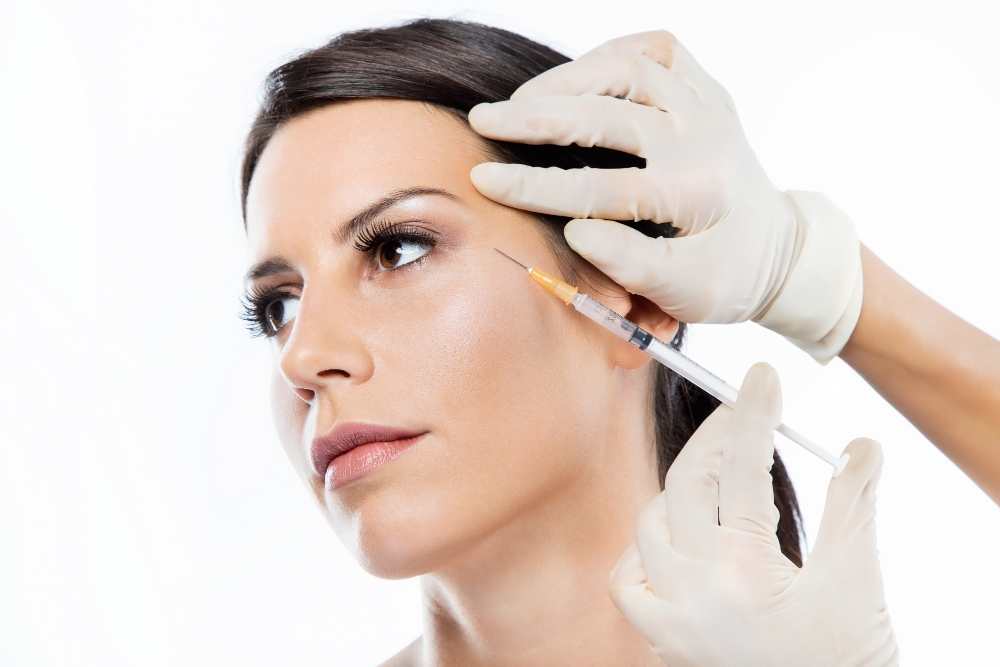
Achieve a Refreshed Appearance with Botox Glasgow for Smoother Facial Lines

Facial expressions play an important role in communication, but repeated movements can gradually contribute to the appearance of lines and wrinkles. Ageing, sun exposure, genetics, and changes in skin elasticity can also influence how facial lines develop over time. Exploring botox glasgow treatment options can help individuals understand how professional aesthetic procedures may soften selected expression lines and create a refreshed appearance. With an appropriate consultation, treatment can be planned around individual facial features, personal preferences, and realistic expectations.
Understanding Botox and How It Works
Botox is a commonly used name for botulinum toxin type A, a purified substance used in controlled medical and aesthetic procedures. When administered into selected muscles by a qualified practitioner, it temporarily reduces the nerve signals responsible for muscle contractions. This can soften the appearance of dynamic wrinkles that develop through repeated facial movements. Common treatment areas include forehead lines, frown lines between the eyebrows, and crow's feet around the outer corners of the eyes.
The treatment works by relaxing targeted muscles rather than filling lines or adding volume beneath the skin. This distinction makes it different from dermal fillers, which are generally used to restore volume or enhance particular facial features. The effects are temporary, and muscle movement gradually returns as the product wears off. Treatment suitability depends on facial anatomy, medical history, muscle activity, and individual expectations. A professional consultation helps determine whether this approach is appropriate for the concerns being addressed.
Exploring Botox Glasgow Treatment Options
People considering aesthetic treatments often want to soften visible expression lines without significantly changing their natural facial appearance. A carefully planned procedure can target selected muscles while preserving appropriate movement and facial expression. The treatment approach should reflect the individual's facial structure, skin condition, and desired level of improvement. Understanding the procedure, possible outcomes, and limitations before proceeding can help individuals make informed decisions and avoid unrealistic expectations.
A consultation at a specialist Glasgow skin clinic can provide an opportunity to discuss facial concerns and available treatment options. The practitioner may examine expression lines, assess muscle movement, review medical history, and discuss previous aesthetic procedures. This assessment helps establish suitable injection areas and determine whether treatment is appropriate. Individuals should receive clear information about the expected effects, possible side effects, and aftercare requirements before agreeing to the procedure.
Common Facial Areas Treated with Botox
Forehead Lines
Horizontal forehead lines often develop through repeated eyebrow movements and everyday facial expressions. Over time, these lines may become visible even when the forehead is relaxed. Treatment can target selected muscles responsible for raising the eyebrows, helping soften the appearance of dynamic lines. The amount of product required depends on muscle strength, facial anatomy, and the desired result. Careful placement is important because excessive relaxation may affect natural eyebrow movement or create an unwanted appearance.
Frown Lines
Frown lines develop between the eyebrows when certain muscles contract during expressions such as concentrating, squinting, or feeling concerned. These vertical lines may become more noticeable with age and repeated facial movement. Targeted treatment can temporarily reduce muscle activity in the area, softening the appearance of expression related creases. A practitioner should assess the position and strength of the muscles before treatment to support balanced results while maintaining natural facial movement.
Crow's Feet
Crow's feet are fine lines that appear around the outer corners of the eyes, particularly when smiling or squinting. Sun exposure, ageing, and repeated muscle contractions can contribute to their development. Treatment may help soften these lines by relaxing selected muscles around the eye area. The skin around the eyes is delicate, so accurate assessment and careful administration are important. Individuals should discuss their expectations and any existing eye or skin concerns during consultation.
The Importance of Personalised Treatment Planning
Facial anatomy differs between individuals, meaning the same injection approach may not produce identical results for everyone. Muscle strength, eyebrow position, skin elasticity, facial proportions, and existing wrinkles all influence treatment planning. A qualified practitioner should consider these factors before selecting injection points and determining the appropriate dose. The aim should be to create a balanced appearance rather than removing every visible line or unnecessarily restricting natural facial movement.
A personalised plan should also take previous treatments and medical history into account. Individuals who have experienced complications, allergies, or unexpected reactions to earlier procedures should disclose these details during consultation. Certain medical conditions, medications, and pregnancy or breastfeeding may affect treatment suitability. A responsible practitioner will explain whether treatment should proceed, be postponed, or be avoided. This careful approach helps reduce preventable risks and supports informed decision making.
What Happens During a Botox Appointment?
An appointment generally begins with a discussion about the individual's concerns, desired results, and relevant medical information. The practitioner examines facial movement and identifies the muscles contributing to the visible lines. Suitable injection points are then selected according to facial anatomy and the agreed treatment plan. The skin is cleaned before the injections are administered using a fine needle. Most appointments are relatively brief, although the duration can vary depending on the areas being treated.
Some individuals experience mild discomfort during injection, while others describe the sensation as a brief pinch. Temporary redness, small raised marks, or minor swelling may occur around the injection points. The practitioner should explain what to expect immediately after treatment and provide clear aftercare instructions. Individuals should also understand that the effects are not immediate. Changes usually become noticeable over several days, with the full effect developing over approximately two weeks.
Recovery and Aftercare Following Treatment
Botox generally involves minimal downtime, allowing many individuals to return to normal daily activities shortly after their appointment. However, following professional aftercare advice remains important. Patients may be advised to avoid rubbing or applying pressure to the treated areas for a specified period. Certain strenuous activities may also need to be avoided temporarily, depending on the practitioner's instructions. Individual guidance should always take priority over general advice because treatment plans and circumstances can differ.
Temporary side effects can include bruising, tenderness, swelling, or a mild headache. Less commonly, unwanted effects such as eyelid drooping or an uneven appearance may occur. Individuals should contact their practitioner if they experience unexpected symptoms or have concerns about their recovery. Severe allergic reactions or difficulties with breathing or swallowing require urgent medical attention. Understanding potential risks before treatment helps individuals make informed decisions and recognise when professional support is necessary.
How Long Do Botox Results Last?
The effects of treatment are temporary, with results commonly lasting around three to four months. However, the duration varies according to muscle activity, treatment area, dosage, individual metabolism, and previous treatment history. Some individuals may notice that the effects wear off sooner, while others may experience longer lasting improvements. Facial movement gradually returns as the body processes the product, and expression lines may become visible again over time.
Maintenance appointments may be considered by individuals who wish to continue managing dynamic wrinkles. However, treatment frequency should be determined by a qualified practitioner rather than following a fixed schedule without assessment. Repeated procedures should be planned carefully to avoid unnecessary treatment. Individuals should also understand that Botox does not prevent natural ageing or address every type of facial line. Static wrinkles caused by skin damage or volume changes may require a different approach.
Botox and Other Facial Aesthetic Treatments
Different aesthetic procedures address different concerns, so individuals may benefit from understanding the available options before selecting a treatment. Botox is generally used to soften dynamic wrinkles caused by repeated muscle movements, whereas other procedures may focus on skin texture, hydration, pigmentation, or volume restoration. A practitioner can assess which concerns are most noticeable and explain whether one treatment or a carefully planned combination may be suitable.
For individuals concerned about skin texture and firmness, microneedling treatment in Glasgow may be discussed as a separate option. This procedure uses fine needles to create controlled microchannels in the skin, encouraging natural repair processes. It addresses different concerns from Botox and is not a direct replacement for wrinkle relaxing injections. Treatment selection should be based on the individual's skin condition, medical history, and desired improvements rather than choosing procedures simply because they are commonly combined.
Choosing a Suitable Aesthetic Clinic
Choosing a suitable clinic is an important part of the treatment process. Individuals should check practitioner qualifications, relevant experience, consultation standards, hygiene practices, and the availability of follow up support. A responsible provider should explain the procedure, possible side effects, treatment limitations, and alternative options. Patients should be cautious of unusually low prices or promises of completely wrinkle free skin, as these claims may create unrealistic expectations.
A specialist aesthetic clinic in Glasgow can provide an opportunity to discuss treatment goals and understand the professional assessment process. Individuals should ask who will administer the injections, which product will be used, and how potential complications are managed. Transparent pricing and clear aftercare arrangements are also important. Taking time to research the provider and ask questions can help individuals feel more confident about their decision and the treatment process.
Conclusion
Botox can provide a temporary option for softening selected expression lines and creating a refreshed facial appearance. Understanding how the treatment works, which areas can be addressed, and what recovery involves helps individuals develop realistic expectations. Those considering Botox Glasgow treatments should prioritise qualified practitioners, personalised planning, safe administration, and clear aftercare guidance. A balanced approach can help preserve natural facial expression while addressing specific aesthetic concerns. Este Medical Group can be considered when researching professional aesthetic treatment options in Glasgow.



