

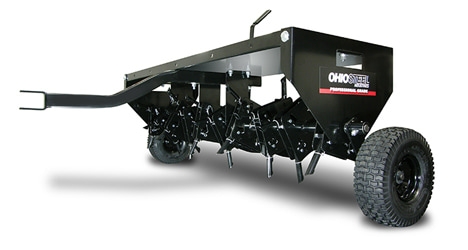

Maintaining a clean and attractive lawn requires regular attention to leaves, grass clippings, small twigs, and other debris that collect across outdoor spaces. Removing these materials helps keep the property organized and makes routine lawn care easier. Ohio steel lawn sweepers offer a practical way to collect loose debris from suitable lawn surfaces, reducing the need for repeated manual raking. Whether maintaining a residential yard or a larger landscaped property, the right lawn sweeper can help simplify cleanup, save time, and support a consistently neat outdoor environment.
Understanding the Purpose of Lawn Sweepers
Lawn sweepers are designed to collect loose materials from grass and other suitable outdoor surfaces. They can help gather fallen leaves, grass clippings, small twigs, and similar debris that may remain after routine property maintenance. Instead of collecting these materials manually, users can move the equipment across designated areas and gather debris into a collection hopper. This makes cleanup more organized, particularly when working across lawns with significant surface coverage.
Regular debris collection also helps property owners maintain a more presentable landscape. Leaves and clippings can accumulate quickly during active growing periods and seasonal changes. Removing excessive debris makes it easier to inspect the lawn, identify areas requiring attention, and prepare the property for other maintenance activities. A lawn sweeper can therefore become a useful part of a broader outdoor care routine.
Benefits of Efficient Lawn Debris Collection
Manual raking can require considerable physical effort, especially when leaves cover a large lawn or collect repeatedly throughout autumn. A suitable lawn sweeper can reduce some of this workload by collecting loose materials as the equipment moves across the surface. This can help users complete cleanup tasks more efficiently while keeping debris organized for disposal or appropriate reuse.
Lawn sweepers can also help maintain outdoor areas between mowing sessions. Grass clippings, dry leaves, and other lightweight materials may remain scattered after routine maintenance. Collecting these materials helps create a cleaner appearance and keeps lawns ready for regular use. Property owners who want to improve overall turf care can also explore effective lawn aeration practices as part of a complete maintenance strategy.
Choosing a Sweeper for Property Size and Conditions
Selecting an appropriate lawn sweeper begins with understanding the property. Smaller residential lawns may have different equipment requirements from large estates, commercial landscapes, or extensive grounds. Buyers should consider the total area that needs cleaning, the typical volume of debris, the frequency of use, and the condition of the terrain. These factors help determine the type and capacity of equipment that may be suitable.
Collection capacity is another important consideration. A larger hopper may reduce the number of stops required to empty collected materials, while a more compact design may be easier to store and maneuver in smaller spaces. Users should also consider towing compatibility, adjustment options, handling, and maintenance requirements. Reviewing these details before purchasing helps ensure that the equipment matches the property's actual cleanup needs.
Maintaining Lawns Through Changing Seasons
Different seasons create different lawn cleanup requirements. Spring often brings leftover leaves, small branches, and debris that accumulated during winter. Summer maintenance may involve collecting grass clippings and other materials following regular mowing. Autumn usually creates heavier cleanup demands as leaves fall and cover lawns, garden borders, and open spaces.
A consistent collection schedule can prevent debris from accumulating into difficult piles. Clearing leaves before they become wet and compacted can make the work easier. Property owners should also inspect areas around trees, fences, and landscape features where materials tend to collect. Preparing mowing equipment for seasonal changes is equally important, and late-season mower maintenance guidance can help owners organize their equipment care as the growing season winds down.
Supporting Residential and Commercial Property Care
Residential property owners can use lawn sweepers to maintain tidy outdoor spaces around homes, gardens, driveways, and recreational areas. Regular debris collection helps keep lawns presentable and makes it easier to prepare outdoor spaces for family activities and gatherings. It can also reduce the time spent manually gathering leaves after mowing or during seasonal cleanup.
Commercial properties often have larger areas that require consistent attention. Offices, institutions, recreational grounds, and managed landscapes benefit from organized debris removal to maintain a professional appearance. Lawn sweepers can help groundskeeping teams collect loose materials across suitable open areas. For properties that also require frequent mowing, understanding zero turn mower selection and performance can help managers plan a more effective equipment combination for routine turf maintenance.
Operating Lawn Sweepers for Better Results
Proper operation helps improve collection performance and reduces unnecessary equipment strain. Before starting, users should inspect the lawn and remove large branches, stones, and objects that may interfere with the sweeper. The equipment should be adjusted according to the manufacturer's instructions and the condition of the surface. Operating at an appropriate speed helps ensure that the collection mechanism can gather debris effectively.
Overlapping passes slightly can help reduce missed areas, especially when working across wide lawns. Users should also monitor the collection hopper and empty it before it becomes excessively full. Avoiding unsuitable surfaces, obstacles, and operating conditions can help maintain consistent results. Following the manufacturer's guidance is essential because operating requirements may vary between different sweeper designs.
Maintenance and Storage for Long-Term Use
Routine maintenance helps keep lawn sweepers ready for regular property care. Before each use, operators should inspect the frame, wheels, brushes, hopper, hitch, and other relevant components for visible damage or wear. Moving parts should be checked and maintained according to the manufacturer's recommendations. Loose fasteners and damaged components should be addressed before further operation.
After cleanup, accumulated leaves, grass, and dirt should be removed from the equipment. Keeping the collection hopper and brush area clean can help prevent material buildup between uses. When the equipment is not needed, it should be stored in a dry and protected location. Property owners maintaining several types of outdoor machinery can also review winter mower and tractor storage practices to support seasonal equipment preparation.
Improving Overall Lawn Care Efficiency
A lawn sweeper works best when included in a planned maintenance routine. Mowing, trimming, edging, aeration, and debris collection each contribute to a well-maintained outdoor space. Completing these activities in a practical sequence can reduce repeated work. For example, collecting loose clippings after mowing helps remove leftover materials from suitable lawn areas and creates a more finished appearance.
Equipment efficiency also depends on regular inspection and appropriate use. Property owners should choose tools according to the size and demands of their landscape rather than relying on equipment that is unsuitable for the workload. Additional ideas about improving equipment power and efficiency can help users consider how equipment selection, maintenance, and operating habits contribute to productive property management.
Conclusion
Maintaining a clean lawn becomes easier when suitable equipment is combined with consistent care and responsible operation. Efficient lawn sweepers help collect leaves, grass clippings, and other loose debris while reducing the effort involved in manual cleanup. Choosing the right capacity, adjusting equipment correctly, and following regular maintenance practices can support dependable performance throughout the year. Whether managing a residential yard or larger grounds, a suitable lawn sweeper can improve the organization of routine property care. Eagle Power Kubota helps customers explore outdoor power equipment solutions that support cleaner lawns and more efficient landscape maintenance.



