

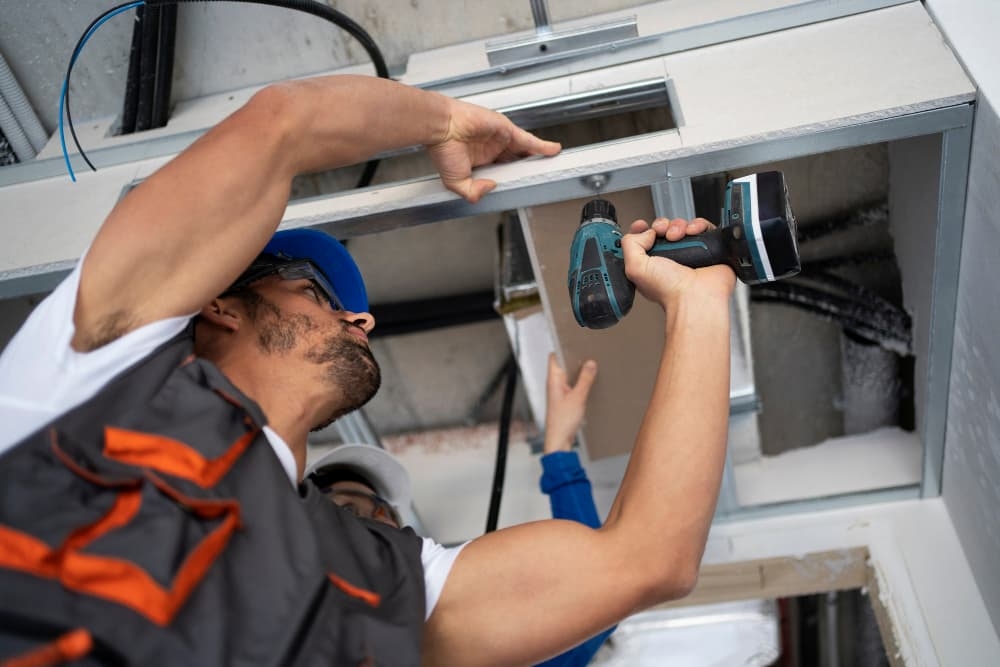

A comfortable indoor environment depends on more than a powerful heating and cooling system. The ductwork plays an equally important role by distributing conditioned air throughout residential and commercial spaces. Properly planned ductwork installation helps maintain consistent temperatures, supports balanced airflow, and allows HVAC equipment to operate efficiently. When ducts are poorly designed, improperly connected, or incorrectly sized, certain rooms may receive insufficient airflow while others become unnecessarily cold. A professionally installed duct system helps prevent these issues and creates a more comfortable indoor environment throughout the year.
The Connection Between Airflow and Indoor Comfort
Airflow directly influences how effectively an HVAC system maintains indoor comfort. Supply ducts deliver conditioned air into different rooms, while return ducts carry indoor air back toward the equipment for further conditioning. Both functions must work together to maintain balanced circulation. Poorly positioned vents, restricted passages, and incorrectly sized ducts can interfere with this process. Professional installation considers the property's layout, room dimensions, and cooling requirements. This careful planning helps distribute air more evenly and reduces temperature differences between individual areas.
Benefits of Professional Ductwork Installation
Improving Energy Efficiency
An efficiently designed duct system can help reduce unnecessary energy consumption. When ductwork contains gaps, leaks, or poorly connected sections, conditioned air may escape before reaching its intended destination. This forces heating and cooling equipment to work harder to maintain the desired indoor temperature. Professional installation focuses on secure connections, suitable duct materials, and appropriate insulation. These measures help minimize energy losses and support better system performance. Property owners can also explore practical energy-saving HVAC tips for Florida to understand how proper system operation and maintenance can help manage energy use. Properly installed ducts can reduce unnecessary equipment operation, potentially contributing to more manageable monthly utility expenses.
Maintaining Consistent Indoor Temperatures
Uneven temperatures are common in properties with poorly designed or damaged duct systems. Some rooms may feel comfortable while others remain warm despite continuous air conditioning. Incorrect duct sizing, restricted airflow, and inadequate distribution can contribute to these problems. Professional technicians evaluate the building layout and determine how air should travel through each section. They also consider room requirements and equipment capacity when planning duct placement. A properly designed network helps deliver conditioned air more consistently, improving comfort in bedrooms, living areas, offices, and other occupied spaces.
Supporting Better Indoor Air Quality
Ductwork also influences the quality of air circulating throughout an indoor environment. Dust, debris, and other unwanted particles can accumulate inside neglected or damaged ducts. Open connections may allow contaminants from attics, crawl spaces, or surrounding areas to enter the airflow. Professional installation emphasizes properly sealed connections and suitable materials that support cleaner air distribution. Correctly designed duct systems also help maintain appropriate ventilation. Although ductwork alone cannot eliminate every indoor pollutant, a properly installed network supports healthier air circulation when combined with regular HVAC maintenance and suitable filtration. Property owners can learn more about how HVAC systems impact indoor air quality in Florida homes and the role proper system care plays in maintaining a healthier indoor environment.
Important Factors During Ductwork Installation
Choosing the Correct Duct Size
Duct sizing is an essential part of achieving reliable HVAC performance. Ducts that are too small may restrict airflow, while oversized sections can create pressure imbalances and inefficient air distribution. Professional technicians evaluate several factors before selecting suitable dimensions. These include building size, room measurements, insulation levels, equipment capacity, and the number of occupants. Accurate calculations help determine the airflow requirements of different areas. Selecting appropriate duct dimensions allows the HVAC system to distribute conditioned air more effectively without placing unnecessary strain on its components.
Selecting Suitable Duct Materials
Different properties require different duct materials depending on their construction, available space, and ventilation requirements. Sheet metal ducts are commonly used because of their durability and structural strength. Flexible ducts can accommodate certain layouts where rigid sections are difficult to position. Fiberglass duct systems may also provide insulation benefits in suitable applications. Each material has specific advantages and installation considerations. Professional contractors evaluate the building environment before making recommendations. Choosing appropriate materials helps support long-term durability, effective airflow, and dependable performance under normal operating conditions.
Proper Sealing and Insulation
Sealing and insulation are important considerations because even small gaps can affect HVAC efficiency. Unsealed joints allow conditioned air to escape, reducing the amount delivered to occupied rooms. Insufficient insulation can also contribute to unwanted heat transfer, particularly when ducts pass through attics or other unconditioned spaces. Professional installers secure connections and apply suitable sealing materials to vulnerable areas. They also evaluate insulation requirements according to the duct location and surrounding conditions. These steps help preserve conditioned air and support more consistent indoor temperatures throughout the property.
Recognizing When Ductwork Needs Attention
Common Signs of Ductwork Problems
Several warning signs may indicate that an existing duct system requires professional evaluation. Weak airflow from certain vents, unusual noises, excessive dust, and inconsistent room temperatures can suggest underlying problems. Some properties may also experience unexplained increases in energy bills because damaged ducts allow conditioned air to escape. Musty odors or visible deterioration around accessible duct sections may indicate additional concerns. A qualified HVAC technician can inspect the system, identify potential restrictions or leaks, and recommend appropriate repairs or replacement when necessary.
The Value of Professional Inspection
A detailed inspection helps determine whether existing ductwork can continue operating effectively or requires improvements. Technicians examine accessible connections, insulation, airflow conditions, and visible signs of damage. They may also evaluate static pressure and compare airflow performance with the system's requirements. This information helps identify problems that might otherwise remain unnoticed. Regular professional assessments are particularly useful for older properties and buildings undergoing renovations. Addressing ductwork concerns early can prevent additional strain on HVAC equipment and help maintain dependable indoor comfort. Routine HVAC maintenance can also help identify developing system issues and support reliable operation.
Why Professional Installation Matters for Long-Term Performance
Avoiding Common Installation Mistakes
Incorrect duct placement, poor connections, inadequate support, and unsuitable sizing can create problems that affect an HVAC system for years. Improper installation may also increase operating costs and contribute to repeated maintenance concerns. Professional contractors follow established installation practices and consider the building's specific ventilation requirements. They ensure duct sections are properly supported, connections are secure, and airflow pathways remain unobstructed. This attention to detail helps reduce avoidable performance issues while providing a dependable foundation for the heating and cooling equipment.
Planning for Future HVAC Requirements
Ductwork planning should consider more than the property's immediate heating and cooling needs. Future renovations, room additions, changes in occupancy, and equipment upgrades can influence ventilation requirements. A carefully designed system provides a better foundation for accommodating these changes when properly evaluated during future improvements. Professional technicians consider available space, equipment compatibility, and the building's overall layout before installation. This forward-thinking approach can reduce the need for unnecessary modifications later and help property owners maintain practical, reliable HVAC performance as their indoor requirements evolve.
Conclusion
Properly designed and professionally installed ductwork is essential for achieving balanced airflow, improved energy efficiency, and dependable indoor comfort. From selecting suitable materials and calculating duct dimensions to sealing connections and maintaining insulation, every installation detail contributes to overall HVAC performance. Property owners benefit from addressing ductwork concerns before they develop into larger problems. Professional guidance also helps ensure that ventilation systems meet the building's requirements. For dependable HVAC solutions and expert installation support, Cool Breeze Air Conditioning helps property owners work toward better airflow, efficient cooling, and lasting indoor comfort.



