

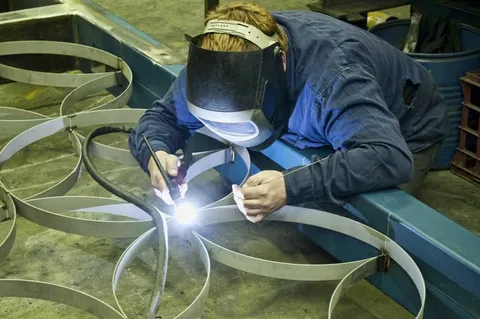

Metalwork plays an important role in modern construction, manufacturing, commercial development, and residential improvement. From decorative installations to functional industrial components, professionally crafted metal products offer strength, durability, and versatility. Every project requires careful planning, accurate measurements, suitable materials, and the right working techniques to achieve dependable results. Quality craftsmanship also helps ensure that finished products meet specific design requirements while maintaining their functionality over time. Whether creating something new or improving an existing structure, professional metalworking can turn practical ideas into reliable solutions. Paying attention to material selection, finishing details, and construction quality helps produce metal products that serve their intended purposes and provide lasting value.
Understanding the Value of Customized Metal Designs
Every property and project has different requirements, which makes customized metal solutions valuable for residential and commercial applications. Custom metalwork in Stafford KS provides opportunities to create products that match specific dimensions, functional needs, and design preferences. Customized metal projects may include decorative railings, gates, staircases, furniture, support structures, protective barriers, and specialized equipment. Unlike standard products, custom designs can be developed around the available space and the customer's expectations. Proper planning helps ensure that each component fits correctly and performs its intended function. Experienced professionals consider material strength, appearance, measurements, and installation requirements before beginning production. This approach helps create unique metal products that combine practical benefits with attractive finishes.
Selecting Suitable Materials for Every Project
Material selection is one of the most important decisions in any metalworking project. Different metals offer different characteristics, making it necessary to consider the intended application before choosing a material. Steel is commonly selected for projects that require strength and structural support, while aluminum is useful when lightweight construction and corrosion resistance are important. Stainless steel is another popular option because of its appearance and resistance to corrosion in suitable environments. The choice may also depend on environmental exposure, maintenance expectations, budget, and design requirements. Professionals evaluate these factors to recommend appropriate materials for each project. Selecting the right metal from the beginning helps improve product performance, reduce unnecessary maintenance, and support long-term durability.
The Importance of Accurate Measurements and Planning
Successful metalworking begins with a clear plan and accurate measurements. Before production starts, professionals examine the project specifications, available space, structural requirements, and design details. Even small measurement errors can affect the alignment, stability, and appearance of finished products. Careful planning helps determine the required materials, cutting dimensions, joining methods, and finishing processes. It also allows potential challenges to be identified before they create delays or additional expenses. Customers benefit from discussing their expectations and design preferences before work begins. Clear communication between customers and metalworking professionals helps ensure that the final product meets the intended requirements. A well-organized process contributes to efficient production and consistent workmanship.
Creating Durable Products Through Professional Fabrication
For projects involving structural components, customized equipment, or specialized metal products, Metal fabrication in Stafford KS can provide practical solutions for different applications. Fabrication involves several processes, including cutting, bending, shaping, welding, and assembling metal materials into finished products. Each stage requires suitable tools, technical knowledge, and attention to detail. Professionals carefully follow project specifications to ensure that individual components fit together correctly. Quality fabrication can be used to create industrial frames, equipment supports, storage systems, metal enclosures, railings, and other functional structures. Proper finishing also improves the appearance and usability of completed products. By combining suitable materials with accurate fabrication techniques, businesses and property owners can obtain dependable metal solutions for their specific needs.
Applications in Residential and Commercial Properties
Metal products are used throughout residential and commercial environments because of their strength, versatility, and practical appearance. Homeowners may choose customized gates, stair railings, balcony barriers, outdoor furniture, and decorative installations to improve their properties. Commercial buildings often require metal doors, security barriers, shelving systems, support frames, and protective structures. Industrial facilities may need equipment stands, machine components, storage racks, and specialized production structures. Each application has different design and performance requirements, making professional planning important. Properly designed metal products can improve functionality while complementing the surrounding environment. Their versatility allows property owners and businesses to develop solutions that balance appearance, safety, and everyday convenience.
Improving Appearance With Quality Finishing
Finishing is an important part of producing attractive and dependable metal products. After cutting, shaping, welding, and assembly are completed, surfaces may require grinding, polishing, cleaning, painting, or protective coatings. The appropriate finishing method depends on the metal type, intended application, and expected environmental conditions. A smooth finish can improve appearance, while suitable protective treatments may help reduce corrosion and surface deterioration. Decorative finishes can also give customized products a distinctive appearance that complements their surroundings. Attention to finishing details demonstrates the importance of quality throughout the production process. A carefully finished product not only looks professional but can also provide better protection and usability when maintained appropriately.
Maintaining Safety and Structural Reliability
Safety should remain a priority throughout every metalworking project. Cutting, grinding, welding, and shaping activities involve equipment and materials that require proper handling. Workers should use appropriate protective clothing, gloves, eye protection, and other safety equipment according to the task being performed. Workspaces should remain organized to reduce the possibility of accidents and equipment damage. Structural reliability is equally important, particularly when metal products are designed to support weight or protect people and property. Proper measurements, suitable connections, and appropriate material selection contribute to dependable performance. Completed structures should be inspected to identify visible defects, alignment issues, or other concerns. Following suitable safety and quality procedures helps produce reliable products while protecting everyone involved.
Choosing the Right Metalworking Professional
Selecting an experienced metalworking professional can make a significant difference in the success of a project. Customers should consider practical experience, craftsmanship, available equipment, material knowledge, and the ability to complete different types of work. Reviewing previous projects can help demonstrate the quality and variety of products a professional can create. It is also important to discuss project requirements, design preferences, material options, estimated costs, and completion schedules before production begins. Clear communication helps prevent misunderstandings and keeps expectations realistic. A dependable professional should be able to explain the recommended approach and suggest practical improvements when necessary. Choosing qualified assistance helps reduce unnecessary complications and supports better results.
Creating Long-Term Value Through Skilled Craftsmanship
Quality metalworking combines creativity, technical knowledge, accurate planning, and reliable production methods. Whether a project involves decorative features, structural components, industrial equipment, or customized installations, every stage contributes to the final result. Selecting appropriate materials and using suitable fabrication techniques helps create products that meet practical requirements while maintaining their appearance and functionality. Regular inspections and proper maintenance can further extend the useful life of finished metal structures. Investing in professional workmanship also helps reduce avoidable repairs and protects valuable property improvements. By focusing on quality, precision, and customer requirements, metalworking professionals can create durable solutions that support different residential, commercial, and industrial applications.



