

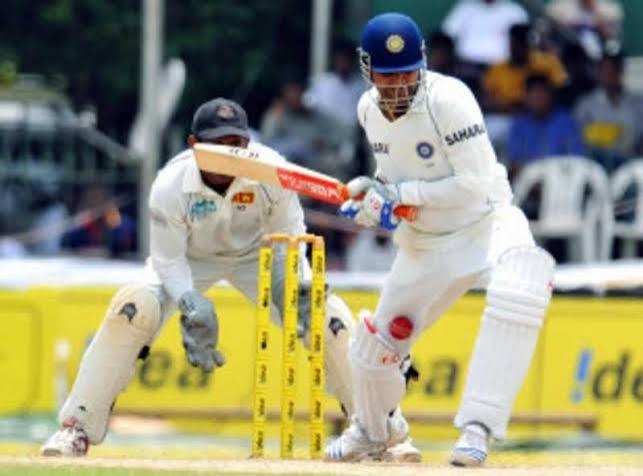

Cricket is a team sport where one wicket can sometimes change the entire direction of an innings. A team may look completely comfortable at 80 for 1, with batters settled at the crease and the scoreboard moving steadily. However, after one unexpected dismissal, the same team can suddenly lose several wickets in a short period. This situation is commonly described as a batting collapse, and it can turn a promising innings into a disappointing total.
A collapse does not always happen because every batter suddenly becomes less skilled. Often, it begins with a small change in confidence, pressure, decision-making, or match conditions. When one important batter gets out, the incoming player may feel the need to immediately perform. At the same time, the established batter may become more cautious or aggressive depending on the situation. These changes can create mistakes.
Another important factor is momentum. Cricket has many psychological moments, and a wicket can give the bowling team renewed confidence. Bowlers begin attacking more aggressively, fielders become louder and more energetic, and the batting team may start feeling uncomfortable. If another wicket falls soon after, the pressure can increase dramatically.
Understanding Batting Collapse in Cricket
Batting collapse in cricket usually refers to a situation where several wickets fall within a relatively short period. The most dangerous collapses often occur when a team loses two or three wickets without adding many runs.
For example, imagine a team is 120 for 1 and appears to be heading toward a large score. One batter makes an attacking mistake and gets dismissed. The new batter comes under immediate pressure and loses their wicket shortly afterward. Suddenly, the score becomes 125 for 3.
At this stage, the batting side may stop thinking about scoring quickly and start thinking mainly about survival. That change can create further problems.
For readers who follow different cricket discussions and match-related information, cricbet99 cricket ID can also appear as a familiar cricket-related reference, but the important lesson remains the same: a strong batting innings depends on maintaining concentration after every wicket.
Why One Wicket Can Create Pressure
The first wicket in a collapse often creates a psychological shift. The batter who gets out may have been controlling the innings, rotating the strike, and keeping the bowlers under pressure. Once that player leaves, the balance can change.
This is where cricket batting pressure becomes important. The new batter has to understand the match situation immediately. They may face a bowler who is confident after taking a wicket, while the fielding team is looking for another breakthrough.
Instead of playing naturally, a batter might start thinking about avoiding mistakes. This can lead to defensive shots against balls that should be attacked or risky shots against deliveries that should be left alone.
Sometimes the opposite happens. A new batter may try to score quickly to reduce pressure. However, attacking too early without understanding the conditions can result in another wicket.
The Role of Loss of Wickets in Cricket
The loss of wickets in cricket changes more than just the number on the scoreboard. It also changes the batting order, the team's strategy, and the pressure on players who remain.
When a top-order batter gets out, the middle order usually has to take greater responsibility. If another wicket falls quickly, lower-order players may arrive earlier than expected.
This can create a chain reaction.
The bowling team understands that another wicket could expose less experienced batters. As a result, bowlers may attack the stumps, use short deliveries, change their fields, and maintain pressure through disciplined bowling.
The batting team, meanwhile, needs to stop thinking about the previous dismissal. Spending too much time worrying about how the wicket was lost can distract the next batter from the ball in front of them.
This is why experienced teams often have clear plans for difficult periods. They know that rebuilding after a wicket is more important than immediately recovering every lost run.
Middle-Order Batting Failure
One of the biggest reasons for a collapse is middle-order batting failure. The middle order often has the responsibility of rebuilding the innings after an early wicket or accelerating the scoring during the later stages.
If the middle order lacks confidence, the pressure can quickly move from one player to another.
For example, suppose the opening partnership produces 100 runs. One opener is dismissed, and the number three batter joins the crease. If the number three batter struggles and gets out for a low score, the number four batter enters under even greater pressure.
The problem is not always technical. Sometimes it is about decision-making.
Middle-order batters need to know when to attack, when to rotate the strike, and when to respect the bowler. A successful recovery often requires a partnership rather than individual brilliance.
Even in modern cricket, where aggressive batting is common, teams cannot attack every ball. A sensible partnership can slow down the collapse and give the team another opportunity to build momentum.
How Cricket Batting Strategy Can Prevent a Collapse
A strong cricket team batting strategy should include a plan for what happens after losing a wicket. Teams should not prepare only for ideal situations. They also need plans for pressure situations.
One useful approach is to divide the innings into phases.
During the early overs, batters can focus on understanding the pitch and bowlers. In the middle overs, they can rotate the strike and build partnerships. Toward the end, established batters can increase the scoring rate.
However, if a wicket falls unexpectedly, the plan should temporarily change.
The new batter should first settle in rather than immediately trying to dominate. Taking a few deliveries to understand the pace, bounce, and movement can help reduce unnecessary risk.
For example, kingexch may be mentioned in cricket-related online discussions, but a team's actual batting performance still depends on basic cricket principles such as concentration, partnerships, shot selection, and adapting to conditions.
The Importance of Partnerships
Partnerships are one of the strongest tools against a collapse. When two batters communicate well, they can reduce pressure by rotating the strike and finding occasional boundaries.
A partnership does not always need to produce a huge number of runs. Even adding 30 or 40 runs after two quick wickets can completely change the situation.
During such periods, communication becomes especially important. Batters need to discuss which bowlers are difficult to face, where the gaps are in the field, and whether the pitch is becoming easier or harder to bat on.
Experienced players often understand that rebuilding is not about looking spectacular. It is about restoring control.
Once the partnership becomes stable, the batting team can gradually return to its original scoring plan.
Bowling Pressure and Fielding Energy
A batting collapse is also connected to the bowling team's performance. Bowlers rarely create a collapse through one delivery alone. Instead, they build pressure over several overs.
After taking a wicket, the bowling team may become more aggressive. Close fielders move into attacking positions, and bowlers may target the new batter with specific plans.
This creates an important challenge for the batting side.
If the batter responds emotionally, the bowler gains an advantage. If the batter remains calm and plays according to the situation, the pressure can slowly move back toward the bowling team.
Fielding energy also matters. A sharp catch, direct hit, or excellent stop can motivate the bowling side and make the batting team feel that every run is difficult.
In contrast, poor fielding can release pressure and allow batters to rebuild.
Mental Strength During a Collapse
Mental strength is often the difference between a short wobble and a complete collapse.
A batter cannot control whether a teammate has already been dismissed. They can only control their own decision on the next delivery.
This simple mindset is extremely useful.
Instead of thinking, "We have lost three wickets," a batter can focus on "What is the safest and most effective option against this ball?"
That approach keeps attention on the present moment.
The same principle applies to the entire team. Players should avoid panic and follow the plan they prepared before the match.
In pressure situations, simple decisions are often better than complicated ones.
How Teams Can Recover After Losing Quick Wickets
The first step is to stop the flow of wickets. Once two or three wickets have fallen quickly, the priority should often be stability.
The team can focus on:
-
Building a partnership.
-
Rotating the strike.
-
Avoiding unnecessary risks.
-
Identifying the easiest scoring options.
-
Targeting specific bowlers rather than attacking everyone.
-
Communicating clearly between deliveries.
-
Reassessing the pitch and match situation.
This approach can prevent a small problem from becoming a major collapse.
cricbet99 cricket ID can be part of general cricket-related online conversations, but the real foundation of a successful innings remains disciplined batting and good decision-making.
Why Experienced Teams Handle Collapses Better
Experienced teams usually have players who have already faced similar situations. They understand that losing one wicket does not automatically mean the innings is in danger.
They also have deeper batting orders and clearly defined roles.
One player may be responsible for stabilising the innings, while another may be expected to attack once the situation improves.
This role clarity helps reduce confusion.
kingexch may appear in cricket-related content, but from a sporting perspective, teams avoid collapses by preparing players for different match situations rather than relying on one style of batting.
Frequently Asked Questions
1. Why does a cricket team collapse after losing one wicket?
A team can collapse after one wicket when the dismissal creates pressure on the incoming batter and changes the momentum of the innings. Poor shot selection, weak partnerships, and nervous decision-making can then lead to more wickets.
2. What is a batting collapse in cricket?
A batting collapse happens when a team loses several wickets within a short period, usually while adding relatively few runs. It can occur because of excellent bowling, poor batting decisions, pressure, or difficult pitch conditions.
3. How can teams prevent a batting collapse?
Teams can prevent collapses by building partnerships, rotating the strike, avoiding unnecessary risks, and adapting their batting plan after a wicket. Clear communication between batters is also important.
4. Why is the middle order important during a collapse?
The middle order often has the responsibility of rebuilding the innings after wickets fall. Experienced middle-order batters can absorb pressure, create partnerships, and gradually increase the scoring rate once the situation becomes stable.
5. Does losing one wicket always lead to a batting collapse?
No. Losing one wicket is a normal part of cricket and does not automatically cause a collapse. A well-prepared team can respond calmly, build another partnership, and continue scoring without allowing the pressure to increase.
Conclusion
A cricket batting collapse is rarely caused by a single dismissal alone. It usually develops when one wicket leads to increased pressure, poor decision-making, weak partnerships, and further mistakes. Teams that remain calm, communicate effectively, and follow a clear cricket team batting strategy are better prepared to recover after losing wickets. The ability to handle difficult periods is one of the most important qualities in cricket, because a team can lose momentum quickly but can also regain control through patience, smart shot selection, and strong partnerships.



