

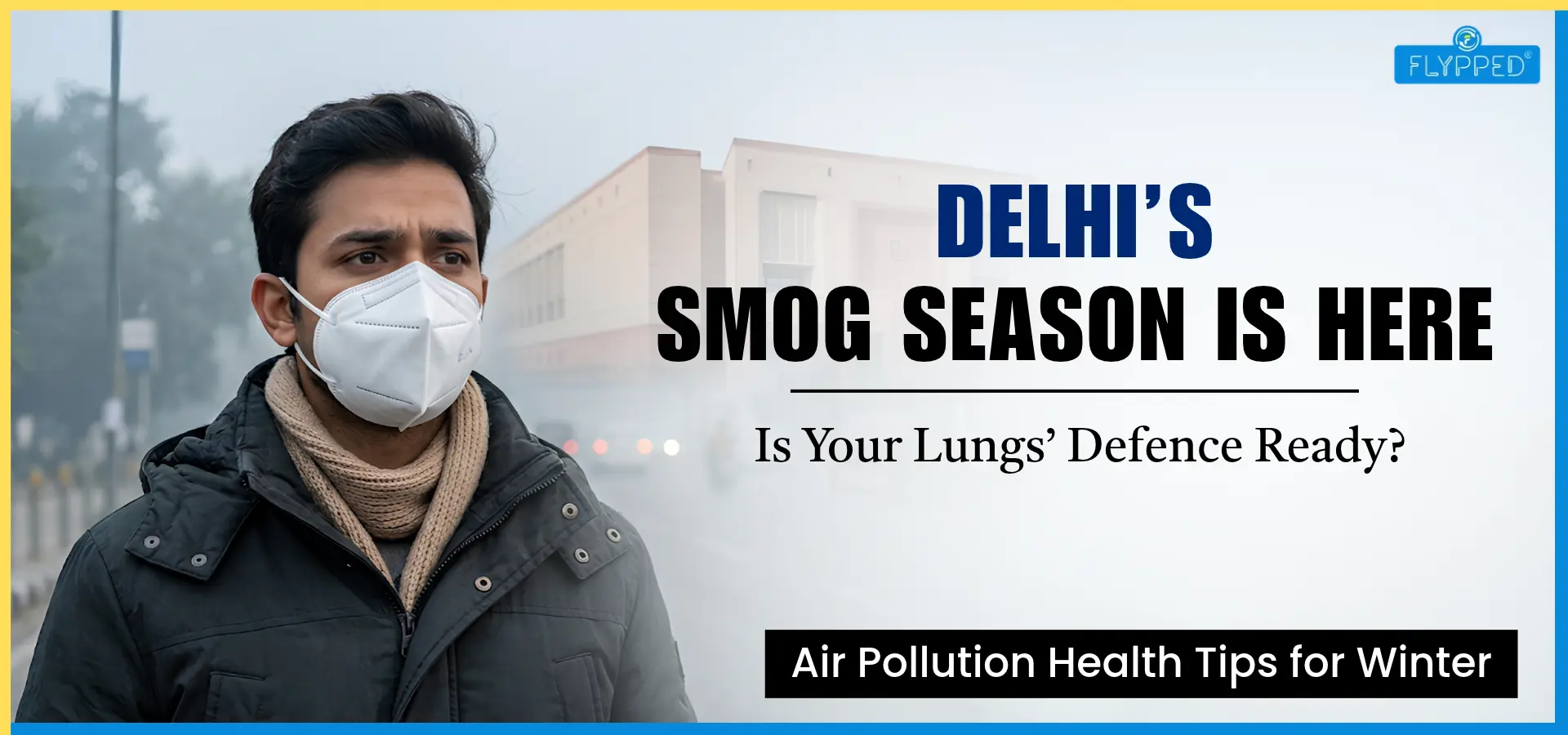

Winter in Delhi NCR often brings a combination of cold weather, poor air quality, and increased pollution levels. For many residents, stepping outside can become uncomfortable when the air contains high concentrations of dust, smoke, and other pollutants. People with asthma, allergies, and existing respiratory conditions may need to take additional precautions during this period.
Air pollution is not only an outdoor concern. Pollutants can also enter homes, offices, schools, and other indoor spaces. This makes it important to understand how daily habits, indoor ventilation, personal protection, and health awareness can help reduce exposure.
Although individuals cannot control the overall pollution level, they can take practical steps to protect themselves during the winter season.
Why Does Air Pollution Become a Concern During Delhi Winters?
Delhi NCR experiences different weather conditions throughout the year. During winter, cooler temperatures, lower wind speeds, and certain atmospheric conditions can contribute to the accumulation of pollutants near the ground.
Emissions from vehicles, construction activities, industries, road dust, waste burning, and other sources contribute to air pollution. Seasonal agricultural residue burning in surrounding regions can also influence pollution levels.
The Air Quality Index (AQI) helps people understand the level of air pollution and associated health concerns. Checking the AQI before outdoor activities can help residents make informed decisions about travel, exercise, and time spent outside.
How Winter Air Pollution Can Affect Your Health
Air pollution contains particles and gases that can affect different parts of the body. Fine particulate matter, particularly PM2.5, is a concern because these tiny particles can travel deep into the lungs and may enter the bloodstream.
Possible health effects include:
-
Respiratory irritation: Exposure may cause coughing, throat irritation, wheezing, or breathing discomfort.
-
Asthma symptoms: Polluted air can trigger or worsen asthma symptoms in some people.
-
Reduced lung function: Long-term exposure to particulate pollution can affect respiratory health.
-
Cardiovascular concerns: Fine particles are associated with an increased risk of heart and blood vessel problems.
-
Eye irritation: Dust and pollutants may cause redness, itching, and discomfort.
Children, older adults, pregnant women, and people with existing heart or lung conditions may be more vulnerable to the effects of air pollution.
Practical Ways to Reduce Exposure to Air Pollution
You may not be able to avoid pollution completely, but certain precautions can reduce unnecessary exposure.
1. Check AQI Before Going Outside
Make it a habit to check the local AQI before planning outdoor activities. Air quality can vary between locations and throughout the day.
If pollution levels are poor, consider postponing outdoor exercise, reducing unnecessary travel, or choosing indoor alternatives.
2. Use a Well-Fitted N95 Mask
A properly fitted N95 respirator can help filter fine airborne particles when worn correctly. Make sure it covers your nose and mouth and fits closely around your face.
Cloth masks and loose-fitting coverings generally do not provide the same level of protection against fine particulate pollution.
3. Avoid Outdoor Exercise During High Pollution
Running, cycling, and strenuous outdoor workouts can increase the amount of air you breathe. During periods of poor air quality, consider indoor exercise instead.
If you have asthma or another respiratory condition, follow your healthcare professional's advice about physical activity and medication.
4. Keep Indoor Air Cleaner
Outdoor pollutants can enter homes through open windows, doors, and ventilation systems. During periods of severe pollution, keep windows and doors closed when practical.
A suitable air purifier with a HEPA filter may help reduce airborne particles in indoor spaces. Select a device appropriate for the room size and maintain its filters according to the manufacturer's instructions.
5. Reduce Indoor Sources of Pollution
Indoor air can also be affected by smoking, incense, candles, cooking fumes, and certain cleaning products.
Avoid smoking indoors, use kitchen exhaust ventilation when cooking, and limit activities that generate unnecessary smoke or fumes.
6. Keep Your Home Clean
Dust can collect on furniture, floors, curtains, and other surfaces. Clean regularly using a damp cloth or mop to avoid spreading dust back into the air.
If possible, use a vacuum cleaner with an appropriate filtration system rather than dry sweeping.
7. Protect Children and Older Adults
Children and older adults may be more sensitive to polluted air. Avoid unnecessary outdoor activities for them when air quality is poor.
Schools, parents, and caregivers should pay attention to local pollution advisories and follow appropriate precautions during severe pollution episodes.
8. Maintain Healthy Daily Habits
Adequate sleep, balanced meals, and regular physical activity in cleaner environments support general health.
However, no particular food, drink, or supplement can remove pollutants from the lungs or protect someone completely from the effects of polluted air.
Foods and Habits That Support General Respiratory Health
A balanced diet can support the body's normal functioning, including immune health. It should not be treated as a replacement for reducing pollution exposure.
Consider including:
-
Seasonal fruits: Guava, oranges, amla, and other fruits provide vitamins and beneficial nutrients.
-
Green vegetables: Spinach, broccoli, and other vegetables contribute fibre, vitamins, and minerals.
-
Protein-rich foods: Pulses, beans, eggs, and other suitable protein sources support general health.
-
Adequate water: Drink enough fluids throughout the day to maintain normal hydration.
-
Regular sleep: A consistent sleep routine supports overall well-being.
Avoid relying on claims that herbal drinks, detox products, or home remedies can cleanse the lungs of pollution.
What to Do If You Experience Pollution-Related Symptoms
Some people may notice coughing, wheezing, throat irritation, eye discomfort, or breathlessness during periods of poor air quality.
If symptoms appear, reduce outdoor exposure and move to a cleaner indoor environment. People with asthma should follow their prescribed action plan and keep their recommended medication available.
Consult a healthcare professional if symptoms persist, worsen, or interfere with daily activities. Seek urgent medical attention for severe breathlessness, chest pain, fainting, or serious difficulty breathing.
Do not ignore recurring respiratory symptoms or rely only on home remedies.
How to Prepare for Delhi NCR's Winter Pollution Season
Preparation can make it easier to manage daily activities during periods of poor air quality.
-
Keep track of local AQI updates and pollution advisories.
-
Keep a suitable N95 respirator available for necessary outdoor travel.
-
Maintain air purifier filters if you use an indoor filtration device.
-
Plan outdoor activities around local air quality conditions.
-
Keep prescribed medicines and inhalers accessible if required.
-
Follow pollution-related instructions issued by local authorities.
-
Encourage children and older family members to take appropriate precautions.
For additional practical guidance, read these 12 air pollution health tips for winter in Delhi NCR to understand more ways to manage exposure during the colder months.
Frequently Asked Questions
Why is Delhi NCR's air pollution often worse during winter?
Winter weather conditions, including lower wind speeds and atmospheric temperature inversions, can limit the dispersion of pollutants. Emissions from vehicles, industries, dust, burning activities, and other sources contribute to the problem.
Does wearing an N95 mask help during air pollution?
A properly fitted N95 respirator can filter many fine airborne particles, including PM2.5. Its effectiveness depends on correct fit and consistent use.
Can an air purifier protect against outdoor pollution?
A suitable HEPA air purifier can reduce airborne particles inside an enclosed room. However, its effectiveness depends on room size, filtration quality, maintenance, and how much outdoor air enters the space.
Is morning walking safe during high AQI?
Not necessarily. Pollution levels can vary by location and time. Check the AQI before exercising and consider indoor activity when air quality is poor.
Can food or herbal drinks remove pollution from the lungs?
No specific food or herbal drink has been proven to remove inhaled pollutants from the lungs. A balanced diet supports general health, but reducing exposure remains important.
Conclusion
Winter air pollution in Delhi NCR can create challenges for respiratory and cardiovascular health. While the larger pollution problem requires collective action and effective environmental measures, individuals can take practical precautions to reduce their exposure.
Checking AQI levels, using a properly fitted N95 respirator when needed, keeping indoor air cleaner, and avoiding strenuous outdoor activity during severe pollution can make a difference. Staying informed and seeking medical advice when symptoms develop are equally important for protecting health throughout the winter season.
Author Bio
Hello, I am a writer at Flypped News, where I share the latest and most reliable information on news, entertainment, health and fitness, technology, lifestyle, education, sports, travel, and other important topics. Our goal is to provide readers with updates in simple and accurate language so they can easily understand every important story. Stay connected with us and visit our website for the latest updates on English Breaking News and Hindi Breaking News.



