

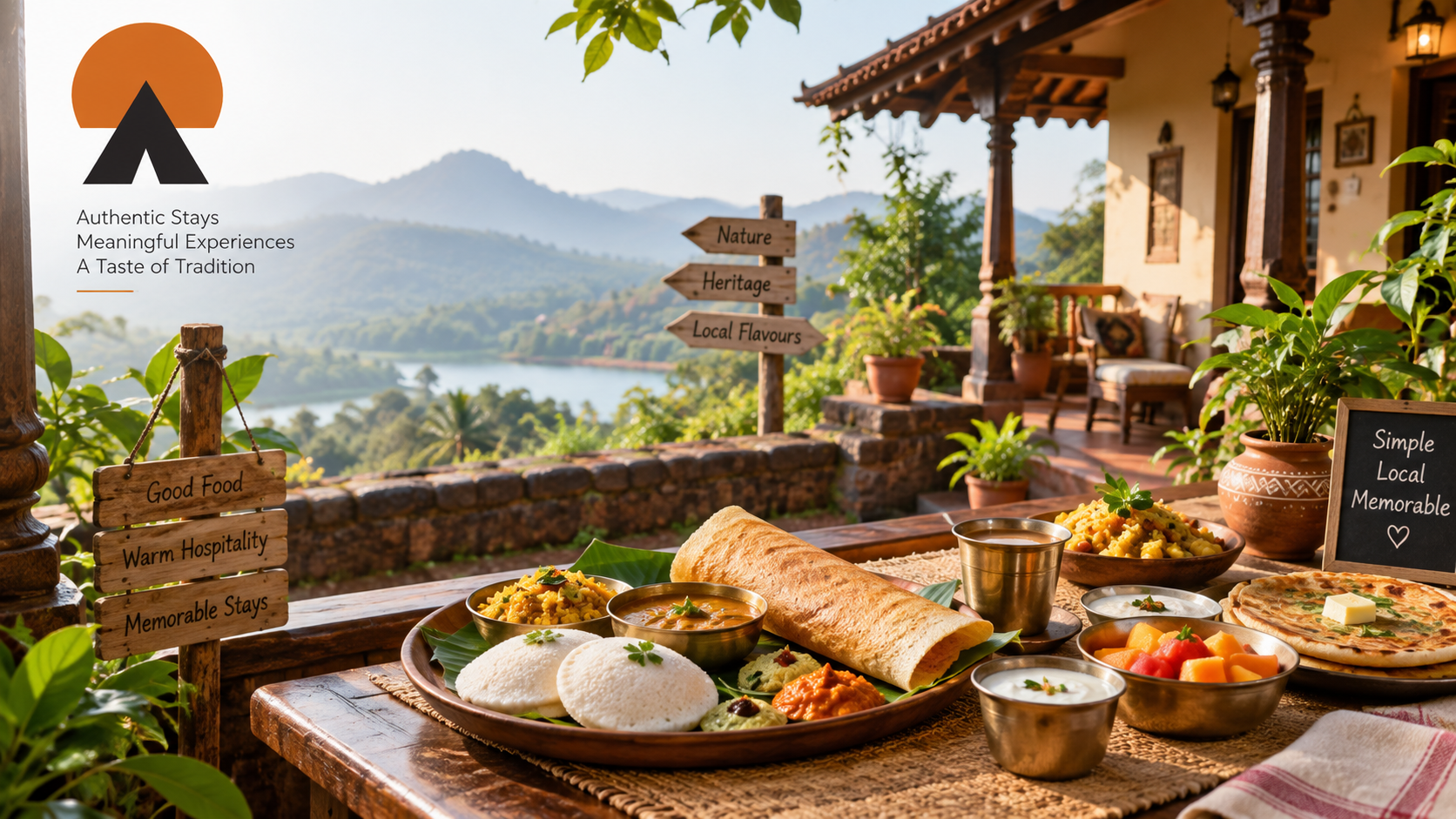
What Regional Experiences Can Travelers Enjoy When Choosing A homestay in Maharashtra?

Introduction
Maharashtra offers a wide variety of travel experiences, from historic forts and traditional villages to coastal landscapes, hill stations, and lively cultural centres. Each region has its own customs, food traditions, architecture, and natural attractions. Travelers who want to explore beyond popular tourist spots can discover these experiences while choosing a homestay in Maharashtra.
A regional journey through Maharashtra can include tasting local dishes, learning about traditional crafts, visiting heritage landmarks, exploring farms, and enjoying the state's diverse landscapes. These experiences help visitors understand the everyday culture and history of different communities.
Exploring Maharashtra's Diverse Landscapes
The state's geography creates many different travel opportunities.
Discovering The Western Ghats
The Sahyadri mountain range, part of the Western Ghats, is known for its green valleys, forests, waterfalls, and historic hill forts. Destinations such as Mahabaleshwar, Matheran, and Lonavala attract travelers interested in nature and outdoor activities.
Visitors can enjoy scenic drives, nature walks, viewpoints, and seasonal landscapes. During the monsoon, the hills become especially green, although heavy rain may affect travel conditions.
Experiencing The Konkan Coast
The Konkan region offers beaches, fishing villages, coconut groves, and traditional coastal settlements. Areas such as Sindhudurg and Ratnagiri are known for their coastal scenery and regional food culture.
Travelers can explore beaches, visit local markets, observe fishing activities, and learn about the relationship between coastal communities and the sea.
Discovering Traditional Maharashtrian Food
Food is an important part of regional identity in Maharashtra. Recipes and ingredients vary across the state.
Trying Popular Regional Dishes
Travelers can explore dishes such as puran poli, misal pav, thalipeeth, bharli vangi, and zunka bhakri. Coastal areas are also known for fish preparations and coconut-based curries.
Exploring Konkan Cuisine
Konkan food often features coconut, kokum, rice, and locally available seafood. Sol kadhi is a popular regional drink prepared using kokum and coconut milk.
Visitors can ask local residents about seasonal ingredients and traditional cooking methods to understand how food differs between districts.
Exploring Historic Forts And Heritage Sites
Maharashtra has a rich history connected with the Maratha Empire, regional kingdoms, and important trade routes.
Visiting Hill Forts
Forts such as Raigad, Pratapgad, Sinhagad, and Rajgad are important historical landmarks. Their strategic locations and architecture provide insight into the region's military and political history.
Discovering Historic Architecture
Travelers can also explore old temples, traditional homes, heritage buildings, and historic settlements. These places reveal local building styles and the cultural influences that shaped different parts of Maharashtra.
Learning About Traditional Arts And Crafts
Maharashtra has several distinctive craft traditions.
Exploring Warli Art
Warli painting is a traditional art form associated with tribal communities in the Palghar region. It commonly uses simple geometric shapes to represent people, animals, nature, and community activities.
Discovering Paithani Weaving
Paithani sarees are known for their intricate designs, colourful silk, and traditional motifs. The weaving tradition is associated with Paithan and has a significant place in Maharashtra's textile heritage.
Visitors can explore craft markets and learn about these art forms while respecting the work and traditions of local artisans.
Experiencing Village Life And Agriculture
Rural Maharashtra offers opportunities to understand traditional livelihoods and seasonal routines.
Observing Farming Practices
Depending on the region, travelers may see sugarcane cultivation, rice farming, fruit orchards, vegetable gardens, and other agricultural activities.
Discovering Everyday Village Traditions
Village markets, local festivals, traditional meals, and community gatherings provide insight into rural life. Visitors should ask permission before entering private farms or photographing residents.
Enjoying Regional Festivals
Festivals bring communities together through music, dance, food, and religious celebrations.
Ganesh Chaturthi is one of Maharashtra's most widely recognised festivals. Other regional celebrations include Gudi Padwa, Makar Sankranti, and local temple festivals.
Travelers can learn about traditional decorations, festive dishes, processions, and community customs by attending public events respectfully.
Planning A Regional Travel Experience
Maharashtra is a large state, so travelers should choose destinations according to available time and interests. Combining nearby attractions can make a journey more comfortable.
Visitors should check seasonal weather, local transport, attraction timings, and festival dates before travelling.
Conclusion
Maharashtra offers a rich combination of coastal experiences, mountain landscapes, historic forts, traditional crafts, regional cuisine, and village culture. Exploring these experiences can help travelers understand the state's diversity beyond its major cities. A journey with Raahghar can provide an opportunity to discover local traditions and enjoy the distinctive character of different regions.
Frequently Asked Questions
1. What regional experiences can travelers enjoy in Maharashtra?
Travelers can explore traditional food, historic forts, coastal villages, hill stations, local crafts, farming practices, and regional festivals.
2. Which areas are known for coastal experiences in Maharashtra?
The Konkan region, including Sindhudurg and Ratnagiri, is known for beaches, fishing villages, seafood, and coastal landscapes.
3. What traditional art forms are associated with Maharashtra?
Warli painting and Paithani weaving are two well-known traditional art forms associated with the state.
4. Which historic forts can visitors explore in Maharashtra?
Raigad, Pratapgad, Sinhagad, and Rajgad are among the important forts that travelers can explore.
5. What is a good way to understand local culture during a trip?
Visitors can explore regional food, attend public festivals, visit craft markets, speak respectfully with local residents, and learn about traditional livelihoods.



