

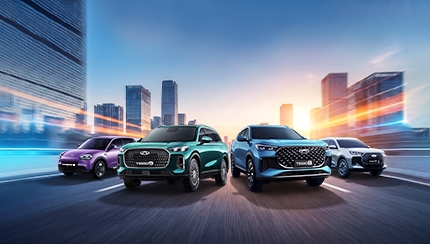

Buying a car is a major financial decision for most Pakistani families. However, the purchase price is only one part of vehicle ownership. Fuel expenses, maintenance, insurance, registration, repairs, and resale value all contribute to the total cost of keeping a vehicle on the road.
With petrol prices changing frequently and electricity becoming an alternative energy source for transportation, many buyers are comparing electric vehicles with traditional petrol-powered cars.
The question is simple: Which option actually saves more money in Pakistan?
The answer depends on driving habits, vehicle prices, electricity tariffs, petrol costs, maintenance requirements, and the availability of charging facilities. Understanding these factors can help consumers make a more informed decision.
1. Initial Purchase Price: Electric vs Petrol
The first difference most buyers notice is the vehicle's purchase price.
Petrol-powered vehicles are available across a wide range of budgets in Pakistan. Buyers can choose from entry-level hatchbacks, family sedans, crossovers, and premium SUVs.
Electric vehicles, meanwhile, can have higher initial purchase prices depending on battery capacity, technology, imported components, and manufacturer positioning.
However, comparing vehicles only by their showroom prices can be misleading.
An electric vehicle may offer lower running expenses over several years, potentially helping owners recover part of the initial price difference through savings.
Consumers researching an affordable electric car in Pakistan should compare the purchase price with expected monthly electricity expenses, servicing costs, warranty coverage, and battery replacement considerations.
The most economical vehicle is not necessarily the cheapest one to purchase. It is the one that provides the best overall ownership value.
2. Fuel Expenses: Where Electric Cars Have an Advantage
Fuel consumption is one of the biggest ongoing expenses associated with petrol vehicles.
A conventional car requires petrol for every journey, and its fuel consumption depends on engine size, traffic conditions, driving style, vehicle weight, and maintenance.
Electric vehicles use electricity instead of petrol. Their energy consumption is generally measured in kilowatt-hours per 100 kilometres.
This creates an opportunity for substantial running-cost savings, particularly for drivers who travel frequently.
Consider the following illustrative comparison:
- A petrol vehicle averages 12 kilometres per litre.
- A petrol price of Rs350 per litre is assumed.
- An electric vehicle consumes 18 kWh per 100 kilometres.
- Home electricity is assumed to cost Rs40 per kWh.
For a distance of 100 kilometres, the petrol vehicle would consume approximately 8.33 litres, costing around Rs2,916.
The electric vehicle would consume approximately 18 kWh, costing around Rs720.
Under these assumptions, the EV would save approximately Rs2,196 per 100 kilometres.
These figures are illustrative rather than guaranteed market rates. Actual petrol prices, electricity tariffs, vehicle efficiency, taxes, and charging costs can differ considerably.
Nevertheless, the comparison demonstrates why electric vehicles can offer attractive running-cost advantages.
3. Maintenance Costs: Which Vehicle Is Easier to Maintain?
Maintenance is another important factor when comparing electric and petrol cars.
Petrol vehicles have internal combustion engines containing numerous moving components. They require engine oil changes, air filters, fuel filters, spark plugs, and other routine servicing.
Over time, mechanical wear can also lead to additional repair expenses.
Electric vehicles have comparatively simpler powertrains. They do not require conventional engine oil changes, spark plug replacements, or exhaust-system servicing.
Their regenerative braking systems can also reduce brake-pad wear in certain driving conditions.
However, EV ownership does not mean maintenance is completely eliminated. Tyres, suspension components, cabin filters, brakes, cooling systems, and electrical components still require inspection and servicing.
Battery health is especially important. Buyers should examine battery warranties, diagnostic support, and the availability of qualified technicians before purchasing.
Overall, electric vehicles can offer lower routine maintenance requirements, although the actual savings depend on the model and its ownership conditions.
4. Electricity Prices vs Petrol Price Fluctuations
Pakistan's petrol market is influenced by international oil prices, currency movements, taxation, and government pricing decisions.
These factors can make monthly fuel budgets difficult to predict.
Electric vehicles provide an alternative by allowing owners to purchase energy through electricity instead of petrol.
However, electricity is not necessarily inexpensive for every household. Domestic tariffs vary according to consumption, applicable tariff categories, taxes, and other adjustments.
Public charging can also cost more than home charging.
Therefore, consumers should calculate their expected charging expenses using their actual electricity tariff rather than assuming that every EV charging arrangement offers identical savings.
For people who can charge at home and travel regularly, electric vehicles may provide a particularly attractive financial advantage.
5. Long-Term Ownership and Resale Value
A car's financial value does not end when its owner finishes paying for it. Resale value plays an important role in determining the actual cost of ownership.
Petrol vehicles have an established resale market in Pakistan, supported by familiar maintenance practices and a wide network of mechanics and spare-parts suppliers.
The electric vehicle resale market is developing. Its future performance will depend on consumer confidence, battery durability, warranty coverage, charging infrastructure, and demand for used EVs.
Before purchasing an electric car, buyers should investigate the manufacturer's battery warranty, expected battery life, replacement availability, and local service support.
A vehicle with strong after-sales support and transparent warranty conditions can provide greater confidence over the ownership period.
6. Electric SUVs and Premium Family Vehicles
The comparison between electric and petrol vehicles is not limited to small cars.
Many Pakistani consumers are interested in larger SUVs that combine passenger comfort, advanced technology, road presence, and family practicality.
The search for an e segment SUV Pakistan reflects growing interest in premium vehicles that offer spacious interiors and modern automotive features.
Similarly, buyers exploring a luxury 7 seater SUV Pakistan often prioritize passenger capacity, safety, convenience, and long-distance comfort.
When comparing electric and petrol SUVs, buyers should evaluate more than energy costs.
Important factors include:
- Vehicle purchase price.
- Battery capacity and real-world driving range.
- Fuel or electricity consumption.
- Passenger and luggage capacity.
- Routine servicing expenses.
- Battery and powertrain warranties.
- Charging availability.
- Resale value and after-sales support.
A larger SUV may consume more energy than a smaller vehicle, but the right model can still offer attractive ownership economics depending on its efficiency and usage.
7. Government Initiatives and the Future of Electric Vehicles
Pakistan is taking important steps toward encouraging electric mobility.
The National Electric Vehicle Policy 2025–30 aims to increase electric vehicle adoption, promote local manufacturing, and develop a nationwide charging ecosystem.
Its target of achieving 30% electric vehicle sales among new vehicle sales by 2030 demonstrates the government's commitment to transforming the transportation sector.
The expansion of charging stations could also make EV ownership more convenient for people living outside major urban centres.
As more manufacturers participate in the market, consumers may benefit from increased vehicle choices, improved technology, and stronger competition.
Automotive brands such as Chery Pakistan are part of an evolving industry in which customers increasingly value innovation, comfort, efficiency, and modern vehicle technology.
8. How to Calculate Which Vehicle Saves You More
The best way to compare an electric car with a petrol car is to calculate the total cost of ownership over a realistic period.
Start by estimating your annual driving distance.
Then calculate:
For a petrol car:
- Annual kilometres divided by average kilometres per litre.
- Multiply the result by the current petrol price.
- Add routine servicing and estimated repair costs.
For an electric car:
- Annual kilometres multiplied by electricity consumption per kilometre.
- Multiply the result by your applicable charging rate.
- Add charging equipment, servicing, and other ownership expenses.
Finally, compare the purchase prices, insurance, taxes, financing costs, warranties, and expected resale values.
For example, someone travelling 2,000 kilometres per month may experience much greater potential energy savings than someone driving only 300 kilometres.
This is why individual driving patterns are essential when deciding between electric and petrol vehicles.
Conclusion
Electric cars and petrol cars both offer advantages, but their financial benefits differ considerably.
Petrol vehicles provide familiar technology, convenient refuelling, and an established resale market. Electric vehicles offer the potential for lower energy expenses, reduced routine maintenance, and fewer direct exhaust emissions.
For Pakistani motorists who travel frequently and have access to convenient charging, an electric car may deliver significant long-term savings.
However, the initial purchase price, electricity tariff, battery warranty, charging network, and resale value must all be considered before making a decision.
As Pakistan's automotive industry continues to evolve, consumers have more opportunities to explore modern mobility solutions. Whether considering an affordable electric car or a premium family SUV, the smartest investment is the vehicle that matches your lifestyle while delivering the best overall ownership value.



