


Could a Small Ceiling Stain Be a Bigger Problem? Toronto Experts Explain the Hidden Risks of Water Damage
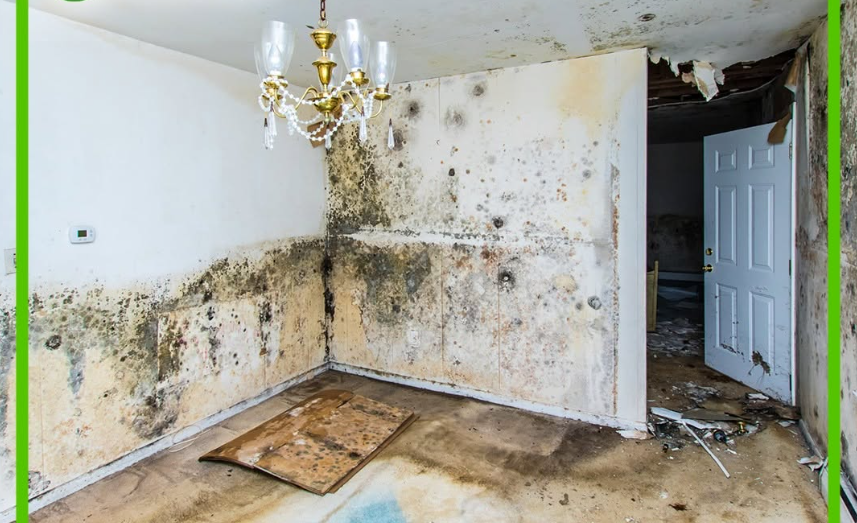
A small ceiling stain can be easy to ignore, especially when there is no active drip and the ceiling still feels firm. Many homeowners assume the mark is only cosmetic, so they wait for it to dry and plan to cover it with paint.
The problem is that a stain is often the last part of a leak to become visible. Before the mark appears, water may already have travelled through roofing materials, insulation, wooden framing, or drywall. In condos and apartments, the source may even be inside another unit or a shared building system.
A real incident from February 2026 shows how serious hidden water can become. Firefighters in Waterbury, Connecticut, responded after a leak from an upper apartment caused part of the kitchen ceiling below to collapse. The fallen section measured about three feet by three feet. No one was injured, but the event showed how water can weaken ceiling materials before residents understand the full risk.
Toronto homeowners should take the same warning seriously. A ceiling stain does not always mean major damage, but it does confirm that water has entered a part of the building that should have remained dry.
Why the Size of the Stain Can Be Misleading
The visible mark does not always match the size of the leak because water rarely travels in a straight line. Once it enters a roof, floor, or wall cavity, it may follow wooden joists, pipes, wires, ducts, or sloped surfaces before reaching the ceiling below.
For example, a stain under a bathroom might appear several feet away from the actual plumbing problem. The source could be a bathtub drain, shower enclosure, toilet seal, supply pipe, or overflowing fixture. Water can move across the floor structure before it finally soaks through the ceiling.
The same thing happens with roof leaks. Rain may enter near damaged flashing, a roof vent, or a blocked drainage point. It can then run along the roof deck and collect above a completely different part of the room.
This is especially important in Toronto condos, where water from an upper unit may spread through the space between floors before becoming visible. By the time the resident below notices a stain, drywall and insulation inside the shared cavity may already be wet.
Painting over the mark does not solve this problem. Fresh paint may hide the colour for a short time, but it cannot stop an active leak or dry the materials behind the ceiling. If the source remains, the stain will return after the next storm, shower, or plumbing cycle.
Toronto Weather Can Make Small Leaks Worse
Toronto properties face heavy rain, melting snow, freezing temperatures, and repeated freeze-thaw cycles. These conditions place regular pressure on roofs, drains, plumbing systems, and exterior seals.
During winter, water inside a poorly protected pipe can freeze and expand. The pressure may crack the pipe or damage a fitting. In some cases, the problem does not become obvious until the temperature rises and water begins moving through the damaged section again.
Heavy rainfall creates a different kind of risk. The Insurance Bureau of Canada reported that flooding in Toronto and southern Ontario on July 15 and 16, 2024 caused more than $940 million in insured damage. A second flooding event in August 2024 caused more than $100 million in insured losses across the Greater Toronto Area and other parts of southern Ontario.
Together, those two storms caused more than $1 billion in insured damage. The City of Toronto also reported that the July and August storms caused basement flooding in more than 1,000 properties.
These figures relate to major weather events rather than ordinary household leaks. Even so, they show how much water Toronto buildings may need to handle during severe storms. A roof drain blocked by leaves or debris may overflow. Worn flashing may allow water to enter an attic. A small opening that causes no trouble during light rain may fail when rainfall becomes intense.
In many cases, the first indoor warning is still just a small brown mark on the ceiling.
What May Be Wet Above the Ceiling
Once water enters a ceiling cavity, it can affect more than the painted surface. Drywall is often the first material to show visible damage because it contains a gypsum core covered with paper. When the paper absorbs water, it may bubble, peel, or separate from the core.
As the gypsum becomes softer, the ceiling can begin to sag. If water collects above the drywall, the added weight increases the chance that part of the ceiling may fall.
Insulation may also become wet, even when the ceiling looks almost normal from below. Because insulation sits inside a closed cavity with limited airflow, it can hold moisture for a long time. This trapped moisture may keep nearby drywall and wood damp after the visible stain appears to have dried.
Wooden joists and framing can absorb moisture as well. One short leak does not automatically mean the structure is unsafe, but repeated wetting can lead to swelling, staining, warping, or decay. A leak that returns after every storm or each use of an upstairs bathroom should therefore be inspected rather than treated as a simple paint issue.
Water Near Electrical Fixtures Requires Extra Care
Many ceilings contain wiring, junction boxes, pot lights, fans, smoke alarms, and other electrical parts. When water reaches these components, it can create a risk of electric shock, a short circuit, or fire.
This is why a stain near a light fixture deserves immediate attention. Do not touch the fixture or turn the switch on to check whether it still works. If water is dripping near a ceiling fan, smoke detector, or electrical box, stay away from the area and contact a qualified professional.
The power may need to be turned off, but this must be done safely. No one should walk through standing water or reach past wet electrical equipment to access the electrical panel.
A flickering light near a new ceiling stain should also be treated as a warning. Even when the light continues working, water may still be affecting wiring or connections above the ceiling.
Mould Can Start Before the Damage Looks Serious
Mould is one of the main reasons a damp ceiling should be checked quickly. Health Canada states that mould can begin growing in an area with excessive moisture within 48 hours. It also explains that wet homes and belongings are less likely to develop mould when they are dried within that period.
This does not mean every stain contains mould after two days. It means that damp materials can create suitable conditions for growth much faster than many people expect.
Mould can grow on drywall, wood, paper, fabric, and insulation. These materials are commonly found inside ceiling cavities, which means growth may remain hidden even when the room below looks clean.
Toronto Public Health also notes that mould can grow in damp areas on ceiling tiles, insulation, wood, and drywall. More than 270 species of mould have been identified in Canadian homes.
A strong musty smell can be an important clue. Health Canada warns that when there is a persistent musty odour but no visible source, mould may be hidden inside a wall or ceiling cavity.
Cleaning the visible stain with a household spray will not solve hidden mould. The moisture source must be stopped first. After that, wet materials need to be dried, cleaned, or removed depending on their condition.
How to Tell Whether the Problem Is Getting Worse
The colour of a ceiling stain does not always show how serious the damage is. A light mark may sit below wet insulation, while a dark brown stain may come from an old leak that was repaired years ago.
The more useful question is whether the area is changing.
A stain that becomes larger or darker during rain may point to a roof, flashing, window, or exterior drainage problem. A mark that changes after someone uses the shower or bathtub may be linked to a drain, supply line, seal, or shower enclosure.
Changes in the surface also matter. Bubbling paint often means moisture is trapped underneath. Soft drywall suggests that the material has absorbed water. Loose tape, new cracks, or a bowed section may show that the ceiling is starting to lose strength.
A bulging area needs urgent attention because water may be collecting above it. Do not press the bulge to see whether it feels soft, and do not puncture it with a broom handle, screwdriver, or knife. Wet drywall may release water or collapse without much warning.
Other warning signs include musty smells, dripping sounds, damp trim, swollen drywall joints, repeated paint damage, or flickering lights near the stain.
Taking clear and dated photos can help show how the problem changes over time. A light pencil line around the edge of the stain may also make spreading easier to notice. These records can be useful when speaking with a landlord, condo manager, contractor, or insurance adjuster.
Why Finding the Source Takes More Than Guesswork
The room above the stain gives you a starting point, but it does not always reveal the source. A mark beneath a toilet could come from the seal at its base, but it could also come from a nearby bathtub drain or water supply connection.
A stain near an outside wall might be caused by the roof, a window, damaged flashing, a plumbing vent, or condensation around a cold pipe.
Because several causes can create a similar mark, a proper inspection often involves more than looking at the surface. Moisture meters may be used to compare the stained area with nearby dry materials. This helps identify drywall or wood that still contains moisture even when it feels dry to the touch.
Thermal imaging may also reveal temperature patterns linked with wet materials. However, a thermal camera does not directly see water. Its findings must be checked with moisture readings and a physical inspection.
Sometimes a small opening is needed to examine pipes, framing, or insulation. Although this may feel unnecessary, controlled access can reveal hidden moisture before mould develops or a much larger section of ceiling needs to be removed.
Homeowners can spend hours of research comparing ceiling stains with photos online, but the reliable approach remains the same. The source must be found, the water must be stopped, and the affected materials must be checked for hidden moisture.
What Toronto Residents Should Do First
The first step is to protect the people in the room. Keep children, pets, and other residents away from any ceiling section that is dripping, cracked, soft, bowed, or sagging.
When it is safe, move furniture, electronics, artwork, and other valuables away from the affected area. If the ceiling is bulging or water is near electrical equipment, do not stand below it or attempt to collect the water yourself.
Next, think about what happened before the stain appeared. Heavy rain may point to a roof or exterior leak. Recent use of an upstairs shower, toilet, washing machine, or radiator may point to a plumbing problem.
Stop using the most likely fixture until it can be checked. A local shut-off valve may help limit a plumbing leak, but only use it when it can be reached safely.
Condo residents should notify property management quickly because the source may be in another unit or part of a shared roof, drainage, plumbing, or mechanical system.
Toronto tenants should report the problem to their landlord or property owner in writing. The City of Toronto states that tenants can contact 311 when repair issues continue and are not addressed. The City also requires landlords to keep rental properties in good repair, including the repair of leaking pipes.
Saving photos, dates, emails, and messages creates a clear record of the problem and how it developed.
When Water Damage Restoration Becomes Necessary
A dry stain from an old leak that was properly repaired may only require an inspection and cosmetic work. The situation is different when the source is unknown, the stain is spreading, the ceiling remains wet, or the damage involves insulation, framing, mould, or electrical parts.
A proper water damage restoration process may include locating the source, removing standing water, checking moisture levels, opening affected cavities, drying the structure, controlling indoor humidity, cleaning affected surfaces, and confirming that materials are dry before repairs begin.
The purpose is not simply to improve the appearance of the ceiling. The real goal is to prevent moisture from becoming trapped behind new paint or drywall.
Professional assessment should not be delayed when the ceiling is sagging, water is near electrical equipment, mould is visible, a strong musty smell remains, dirty water is involved, or several rooms have been affected.
Why Waiting Can Make the Damage More Expensive
Many people delay because the stain is small and no water is dripping at that moment. However, drywall, insulation, and wood may still be damp behind the surface.
The leak may also return during the next rainfall or the next use of the fixture above. Each new cycle of wetting can spread damage into nearby walls, trim, flooring, furniture, and personal belongings.
Waiting can make the source harder to find as well. A fresh leak provides useful clues because it may appear immediately after a storm, shower, or appliance cycle. Once the weather changes or the surface begins to dry, those clues may disappear.
Acting early does not always mean removing the entire ceiling. It means inspecting the correct area while the damage may still be limited.
A Small Ceiling Stain Is an Early Warning Worth Taking Seriously
A ceiling stain does not automatically mean that a Toronto home has serious structural damage. It does confirm that moisture reached an area that should have remained dry.
That is enough reason to investigate.
Watch for changes after rain or plumbing use. Pay attention to peeling paint, softness, sagging, musty smells, dripping sounds, and electrical problems. If you rent or live in a condo, report the issue quickly so the source can be checked before the damage spreads.
Most importantly, locate the source and confirm that the hidden materials are dry.
The mark may be small enough to hide with one coat of paint, but the problem behind it may be much larger. Acting early gives you the best chance of stopping a minor leak before it becomes a damaged ceiling, a mould issue, or a costly repair.
Usuarios Verificados
- Goth Lifestyle
- Fashion & Style
- Music & Bands
- Art & Photography
- Creative Writing & Poetry
- Events & Scene
- Occult & Spirituality
- DIY & Tutorials
- Beauty & Self-Care
- Relationships & Dating
- Gaming & Media
- Tech & Gadgets
- Body Art & Piercings
- Underground Culture
- Spotlights & Interviews
- Travel & Places
- Lifestyle & Daily Life
- Fitness & Health
- Travel & Adventure
- Books & Literature
- Tech & Gaming
- Movies & TV
- Food & Drinks
- Humor & Memes
- Pets & Animals
- General Arts & Crafts

 English
 Arabic
 French
 Portuguese
 Deutsch
 Turkish
 Dutch
Dutch
 Italiano
 Russian
 Romaian
 Portuguese (Brazil)
 Greek
Greek