


Web Analytics
  • Stonewall Jackson trusted very few men. He demanded absolute discipline, unquestioning obedience, and relentless aggression. But there was one general whose brilliance he admired—and whose behavior he could never fully forgive. Their partnership helped win battles, yet their personal relationship remained one of the Confederacy’s most complicated rivalries.


    Time Period: 1862–1863
    Conflict: American Civil War
    Key Figures: Stonewall Jackson and A.P. Hill


    The image portrays two of the Confederacy's most famous commanders: Lieutenant General Thomas “Stonewall” Jackson and Major General Ambrose Powell (A.P.) Hill. Together they helped create some of the most remarkable Confederate victories of the Civil War. Yet behind the battlefield success lay a relationship filled with tension, arguments, and lingering resentment.


    When the Civil War intensified in 1862, A.P. Hill emerged as one of the Confederacy's most talented combat commanders. Leading his famous Light Division, Hill developed a reputation for aggressive attacks, rapid movement, and personal courage under fire.


    Stonewall Jackson immediately recognized Hill's military ability.


    In battle, Hill was often exactly the type of commander Jackson needed. He moved quickly, fought aggressively, and inspired his troops. During the Shenandoah Valley Campaign of 1862, Jackson's lightning-fast victories depended heavily on officers capable of executing difficult orders under extreme pressure.


    However, the two men possessed very different personalities.


    Jackson was intensely private, deeply religious, and demanded strict obedience from subordinates. Orders were expected to be followed without question. Hill, by contrast, was independent, outspoken, and often challenged decisions he believed were mistaken.


    Their disagreements soon became legendary.


    Throughout the Valley Campaign, Jackson and Hill repeatedly argued over marching orders, troop movements, and battlefield decisions. On several occasions Jackson accused Hill of moving too slowly or failing to carry out instructions precisely as ordered. Hill, meanwhile, believed Jackson sometimes issued vague or impractical commands.


    The tension reached a breaking point during the Seven Days Battles outside Richmond in June 1862.


    During one heated dispute, Jackson became so frustrated that he temporarily placed Hill under arrest. Although the arrest did not last long, it revealed just how strained their relationship had become. Few Confederate officers could imagine openly clashing with the feared Stonewall Jackson, yet Hill repeatedly did so.


    Despite these personal conflicts, Jackson never doubted Hill's fighting ability.


    In fact, some of the Confederacy's greatest successes occurred because Hill's division arrived at critical moments. At Antietam in September 1862, Hill's troops completed a grueling march and arrived just in time to prevent the collapse of Lee's right flank. Their counterattack helped save the Confederate army from potential disaster.


    Even Jackson reportedly acknowledged the value of Hill's battlefield leadership.


    Yet trust between the two men never fully developed.


    Jackson admired Hill's courage but disliked his independence. Hill respected Jackson's military genius but resented what he considered unfair criticism and excessive secrecy. Their relationship became a constant balance between professional respect and personal frustration.


    Everything changed in May 1863.


    After the Confederate victory at Chancellorsville, Stonewall Jackson was accidentally wounded by Confederate soldiers and later died from complications. The Confederacy lost one of its greatest commanders.


    Following Jackson's death, A.P. Hill eventually rose to command a corps in Robert E. Lee's Army of Northern Virginia. He continued serving with distinction until he was killed near Petersburg in April 1865, just days before Lee's surrender.


    Historians still debate exactly what Jackson truly thought of A.P. Hill. What is clear is that Jackson considered Hill difficult, stubborn, and occasionally infuriating. Yet he also knew that Hill was one of the most capable combat commanders in the Confederate army.


    In war, mutual admiration does not always create friendship. Sometimes great victories are achieved by men who respected each other's abilities while never fully trusting one another
    Stonewall Jackson trusted very few men. He demanded absolute discipline, unquestioning obedience, and relentless aggression. But there was one general whose brilliance he admired—and whose behavior he could never fully forgive. Their partnership helped win battles, yet their personal relationship remained one of the Confederacy’s most complicated rivalries. Time Period: 1862–1863 Conflict: American Civil War Key Figures: Stonewall Jackson and A.P. Hill The image portrays two of the Confederacy's most famous commanders: Lieutenant General Thomas “Stonewall” Jackson and Major General Ambrose Powell (A.P.) Hill. Together they helped create some of the most remarkable Confederate victories of the Civil War. Yet behind the battlefield success lay a relationship filled with tension, arguments, and lingering resentment. When the Civil War intensified in 1862, A.P. Hill emerged as one of the Confederacy's most talented combat commanders. Leading his famous Light Division, Hill developed a reputation for aggressive attacks, rapid movement, and personal courage under fire. Stonewall Jackson immediately recognized Hill's military ability. In battle, Hill was often exactly the type of commander Jackson needed. He moved quickly, fought aggressively, and inspired his troops. During the Shenandoah Valley Campaign of 1862, Jackson's lightning-fast victories depended heavily on officers capable of executing difficult orders under extreme pressure. However, the two men possessed very different personalities. Jackson was intensely private, deeply religious, and demanded strict obedience from subordinates. Orders were expected to be followed without question. Hill, by contrast, was independent, outspoken, and often challenged decisions he believed were mistaken. Their disagreements soon became legendary. Throughout the Valley Campaign, Jackson and Hill repeatedly argued over marching orders, troop movements, and battlefield decisions. On several occasions Jackson accused Hill of moving too slowly or failing to carry out instructions precisely as ordered. Hill, meanwhile, believed Jackson sometimes issued vague or impractical commands. The tension reached a breaking point during the Seven Days Battles outside Richmond in June 1862. During one heated dispute, Jackson became so frustrated that he temporarily placed Hill under arrest. Although the arrest did not last long, it revealed just how strained their relationship had become. Few Confederate officers could imagine openly clashing with the feared Stonewall Jackson, yet Hill repeatedly did so. Despite these personal conflicts, Jackson never doubted Hill's fighting ability. In fact, some of the Confederacy's greatest successes occurred because Hill's division arrived at critical moments. At Antietam in September 1862, Hill's troops completed a grueling march and arrived just in time to prevent the collapse of Lee's right flank. Their counterattack helped save the Confederate army from potential disaster. Even Jackson reportedly acknowledged the value of Hill's battlefield leadership. Yet trust between the two men never fully developed. Jackson admired Hill's courage but disliked his independence. Hill respected Jackson's military genius but resented what he considered unfair criticism and excessive secrecy. Their relationship became a constant balance between professional respect and personal frustration. Everything changed in May 1863. After the Confederate victory at Chancellorsville, Stonewall Jackson was accidentally wounded by Confederate soldiers and later died from complications. The Confederacy lost one of its greatest commanders. Following Jackson's death, A.P. Hill eventually rose to command a corps in Robert E. Lee's Army of Northern Virginia. He continued serving with distinction until he was killed near Petersburg in April 1865, just days before Lee's surrender. Historians still debate exactly what Jackson truly thought of A.P. Hill. What is clear is that Jackson considered Hill difficult, stubborn, and occasionally infuriating. Yet he also knew that Hill was one of the most capable combat commanders in the Confederate army. In war, mutual admiration does not always create friendship. Sometimes great victories are achieved by men who respected each other's abilities while never fully trusting one another
    0 Commenti 0 condivisioni 713 Views
  • i can experience their entire lives in the blink of an eye
    anyway i like
    underlining tragedy
    simplifying gravity
    recast their roles
    learn their mistakes
    im awake
    unaware
    and i dont care
    fooled once
    fooling myself
    fooling forever
    caved bathed and payed
    you give my purpose meaning
    i give your meaning purpose
    we live out the rest
    i can experience their entire lives in the blink of an eye anyway i like underlining tragedy simplifying gravity recast their roles learn their mistakes im awake unaware and i dont care fooled once fooling myself fooling forever caved bathed and payed you give my purpose meaning i give your meaning purpose we live out the rest
    0 Commenti 0 condivisioni 2K Views
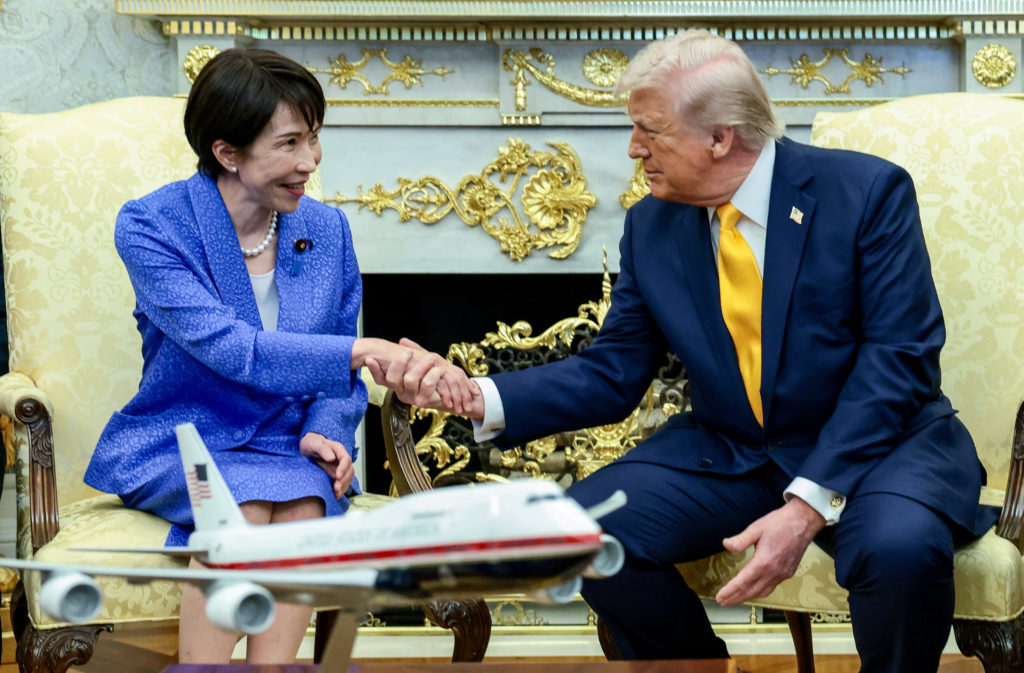
  • I'm just saying. The POTUS has a commitment to the American people. He also has one to the world abroad. As much as you extremists shout America first, it doesn't work that way.

    https://www.pbs.org/newshour/world/watch-live-trump-meets-with-japanese-prime-minister-sanae-takaichi-at-the-white-house
    I'm just saying. The POTUS has a commitment to the American people. He also has one to the world abroad. As much as you extremists shout America first, it doesn't work that way. https://www.pbs.org/newshour/world/watch-live-trump-meets-with-japanese-prime-minister-sanae-takaichi-at-the-white-house
    WWW.PBS.ORG
    WATCH: Trump meets with Japanese Prime Minister Sanae Takaichi at the White House
    Japanese Prime Minister Sanae Takaichi sought to reaffirm her alliance with President Donald Trump on Thursday after the president this week seemed to complain that Japan was among the nations that did not quickly join his call to help protect the Strait of Hormuz.
    0 Commenti 0 condivisioni 3K Views
  • Prepare yourself miste Policeman
    Prepare yourself miste Policeman
    0 Commenti 0 condivisioni 1K Views
  • Dominicane Look. I get your stance regarding Conservatism. But the GOP and Republican values are not mutually exclusive to Christianity. Especially the Far-right version of Jesus teachings. This country doesn't need some regressive puritanical dogma and government trying to legislate morality is nothing more than fascism masquerading as righteousness. You post Reagan but even he knew his party was being highjacked by extremists but tried to hold the middle ground. Keep the faith brother, but don't force that faith on others who may respectfully disagree.
    [Dominicane] Look. I get your stance regarding Conservatism. But the GOP and Republican values are not mutually exclusive to Christianity. Especially the Far-right version of Jesus teachings. This country doesn't need some regressive puritanical dogma and government trying to legislate morality is nothing more than fascism masquerading as righteousness. You post Reagan but even he knew his party was being highjacked by extremists but tried to hold the middle ground. Keep the faith brother, but don't force that faith on others who may respectfully disagree.
    4 Commenti 0 condivisioni 3K Views
  • #ships #sea #art #artwork #mist #fog #haunted
    #ships #sea #art #artwork #mist #fog #haunted
    On Fire
    1
    0 Commenti 0 condivisioni 2K Views
  • #Military #militaryculture #GeoEngineering #climate #ClimateScience #ClimateTech #ClimateCrisis #chemtrails #chemistry #nanoparticles #reverse_terraforming
    https://www.dailymail.co.uk/sciencetech/article-15281179/us-military-secret-spraying-chemicals-chemtrails.html
    #Military #militaryculture #GeoEngineering #climate #ClimateScience #ClimateTech #ClimateCrisis #chemtrails #chemistry #nanoparticles #reverse_terraforming https://www.dailymail.co.uk/sciencetech/article-15281179/us-military-secret-spraying-chemicals-chemtrails.html
    WWW.DAILYMAIL.CO.UK
    US military accused of secret climate spraying operation
    A longtime researcher into the strange trails seen throughout the sky has revealed disturbing evidence about what's revealing taking place in the atmosphere and who's doing it.
    0 Commenti 0 condivisioni 6K Views
  • #biosecurity #biosafety #bioweapons #mirrorlife #mirrocells #biomolecules #cells #biology #threats #ThreatResearch #existential_threat #Doomsday #Biotechnology #microbiology #Immunology #biochemistry #Synthetic_Biology #bioengineering #ethics
    https://edition.cnn.com/2025/10/17/science/mirror-cell-life-dangers
    #biosecurity #biosafety #bioweapons #mirrorlife #mirrocells #biomolecules #cells #biology #threats #ThreatResearch #existential_threat #Doomsday #Biotechnology #microbiology #Immunology #biochemistry #Synthetic_Biology #bioengineering #ethics https://edition.cnn.com/2025/10/17/science/mirror-cell-life-dangers
    EDITION.CNN.COM
    Meet the scientists sounding the alarm about the doomsday risks of mirror life | CNN
    Kate Adamala started work on a cell in which the natural molecular structure is reversed. Then a possible doomsday scenario became clear.
    0 Commenti 0 condivisioni 9K Views
  • Quality is Quality:

    Quality is quality! As you know I fix and maintain vintage clocks, its become a small business and hobby. Recently I baught a Waterybury 20s Office clock with a damaged face but was running and a non running clock of the same type with an intact face. Bored I pulled it apart, the seller had attempted to fix it before and used machine oil to lube the wheels (Gears and Cogs). Anyway, it was jammed soild.

    The oil did not help nor did the spring being wound so tight it had become kinked. I had buy a replacement; big mistake! I housed the main sping, and fitted the workings back together and begain my tests. I wound the clock up, and ping!

    The main spring snapped, and flew at me, slashing my arm open. I had to go to hospital and get a couple of stitches. In my time working with vintage clocks, short of doing something stupid a main spring shouldn't break, I've worked with forging from the 1800s, to mid to late 1900s. Then I read the package, made in india!
    Quality is Quality: Quality is quality! As you know I fix and maintain vintage clocks, its become a small business and hobby. Recently I baught a Waterybury 20s Office clock with a damaged face but was running and a non running clock of the same type with an intact face. Bored I pulled it apart, the seller had attempted to fix it before and used machine oil to lube the wheels (Gears and Cogs). Anyway, it was jammed soild. The oil did not help nor did the spring being wound so tight it had become kinked. I had buy a replacement; big mistake! I housed the main sping, and fitted the workings back together and begain my tests. I wound the clock up, and ping! The main spring snapped, and flew at me, slashing my arm open. I had to go to hospital and get a couple of stitches. In my time working with vintage clocks, short of doing something stupid a main spring shouldn't break, I've worked with forging from the 1800s, to mid to late 1900s. Then I read the package, made in india!
    4 Commenti 0 condivisioni 3K Views
Sponsorizzato
Sponsorizzato
HeyFreaks.com https://heyfreaks.com