


Industrial lubricants are essential for keeping machinery, manufacturing equipment, and industrial systems running smoothly. As industries continue to depend on machines for daily operations, the demand for reliable lubrication products remains important. Becoming an Industrial lubricants distributor can offer a business opportunity for entrepreneurs who want to work in the automotive and industrial lubricant sector.
However, building a distribution business requires more than purchasing and selling products. It involves understanding customer requirements, selecting a reliable manufacturer, managing stock, and developing relationships with industrial buyers. With the right planning and business partner, distributors can gradually build a stable customer base.
What Does an Industrial Lubricants Distributor Do?
An industrial lubricants distributor purchases lubricant products from manufacturers and supplies them to businesses, retailers, workshops, factories, and machinery operators. Distributors help manufacturers reach customers across different regions and industries.
Their responsibilities generally include:
-
Supplying industrial oils and lubricants to businesses.
-
Maintaining product availability for regular customers.
-
Developing relationships with factories and industrial buyers.
-
Managing orders, inventory, and deliveries.
-
Helping customers identify suitable lubricants for their applications.
A distributor may supply products such as hydraulic oils, gear oils, compressor oils, greases, cutting oils, and other industrial lubrication solutions, depending on the manufacturer's product range.
Why Become an Industrial Lubricants Distributor?
Industrial machinery requires regular maintenance, and lubrication is an important part of that process. Businesses across manufacturing, construction, agriculture, transportation, and engineering sectors use lubricants to protect equipment and maintain performance.
Some reasons to consider industrial lubricant distribution include:
1. Demand Across Multiple Industries
Industrial lubricants are used in manufacturing plants, workshops, construction equipment, agricultural machinery, transport businesses, and other sectors. This provides distributors with opportunities to connect with customers from different industries.
2. Repeat Business Opportunities
Lubricants are consumable products that are regularly required for equipment maintenance. Customers who are satisfied with product quality and supply reliability may continue purchasing from the same distributor.
3. Multiple Product Categories
A distributor can supply different lubricant products according to customer requirements. Offering hydraulic oils, gear oils, industrial greases, and other products can help businesses serve a wider customer base.
4. Scope for Customer Network Expansion
Distributors can develop relationships with machinery operators, factory owners, maintenance teams, retailers, and service providers. Building a strong network can help expand business opportunities over time.
How to Start a Lubricant Distributorship Business in India
Starting a lubricant distributorship business India requires proper planning, market research, and a suitable manufacturer partnership. The following steps can help you get started.
Step 1: Research Your Local Market
Understand the industries operating in your area and identify businesses that regularly require industrial lubricants. Research potential customers, competing suppliers, product demand, and the lubricant categories commonly used in your region.
Step 2: Choose a Reliable Lubricant Manufacturer
Selecting the right manufacturer is an important business decision. Consider the company's manufacturing experience, product quality, range of lubricants, supply capability, and distributor support before applying.
Step 3: Arrange Business and Storage Requirements
Depending on your business structure and local regulations, you may need business registration, GST registration, suitable storage space, and delivery arrangements. Ensure that lubricant products are stored safely according to applicable requirements.
Step 4: Understand Investment and Business Terms
Before starting, review the manufacturer's minimum order requirements, pricing, payment terms, delivery arrangements, and distributor policies. Prepare a business budget that includes initial stock, storage, transportation, and operating expenses.
Step 5: Develop a Customer Network
Build relationships with local factories, workshops, equipment operators, retailers, and maintenance businesses. Understand their lubrication requirements and provide suitable products based on the equipment specifications.
How to Choose the Right Industrial Lubricants Distribution Partner
A manufacturer can influence how easily you manage your distribution business. Before entering into a partnership, consider the following factors:
-
Product Quality: Choose a manufacturer that follows quality management practices and offers products suitable for different industrial applications.
-
Product Range: A wide range of industrial lubricants can help you serve more customers.
-
Manufacturing Capacity: Reliable production and supply are important for fulfilling customer orders.
-
Distributor Assistance: Product training, marketing resources, and business guidance can help distributors understand products and develop their market.
-
Business Transparency: Clear pricing, order conditions, and distribution terms help establish a better working relationship.
Why Partner with GARS Lubricants?
GARS Lubricants offers distribution opportunities for businesses interested in automotive and industrial lubricant products. Established in 1990, the company has developed its manufacturing and distribution network across multiple markets.
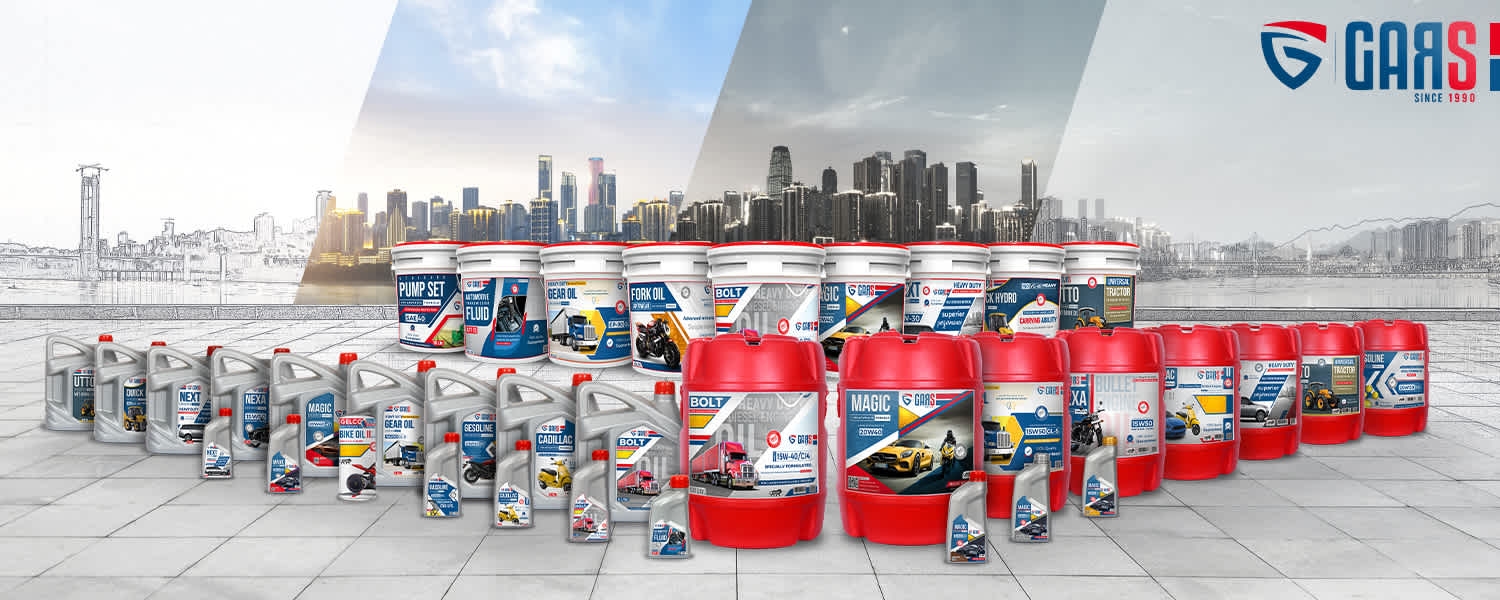
GARS Lubricants offers a product range that includes hydraulic oils, gear oils, engine oils, greases, coolants, brake fluids, and other lubrication solutions for different applications.
The company operates an ISO 9001:2015-certified manufacturing facility and has an established distributor network across India. Its distribution programme offers business opportunities for individuals and companies looking to work with a lubricant manufacturer.
Businesses interested in becoming an industrial lubricants distributor can contact GARS Lubricants to understand product availability, distributor requirements, and partnership details.
Conclusion
Starting an industrial lubricant distribution business requires market knowledge, proper planning, dependable product supply, and strong customer relationships. By understanding local demand and partnering with a reliable manufacturer, distributors can develop opportunities across manufacturing, automotive, construction, agriculture, and other sectors.
For entrepreneurs exploring a lubricant distributorship business in India, choosing a manufacturer with a suitable product range, manufacturing experience, and distribution support is an important first step.
GARS Lubricants provides distribution opportunities for businesses interested in supplying automotive and industrial lubricants. Contact the company to explore distributorship opportunities and understand how to get started.



