

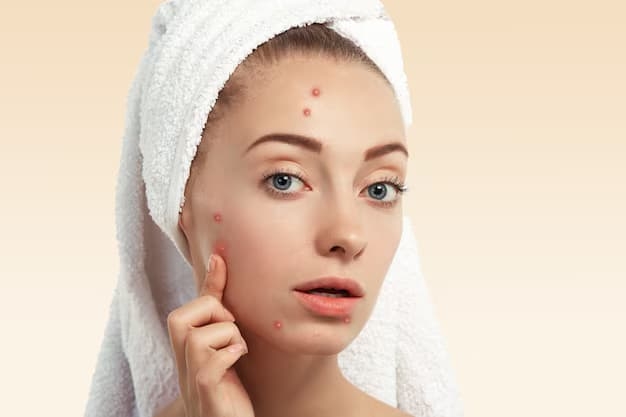
Achieve Clearer Skin with Acne Treatment Glasgow for a Healthier Complexion

Acne is a common skin concern that can affect people of different ages, creating blemishes, inflammation, blocked pores and uneven skin texture. Although occasional breakouts may disappear naturally, persistent acne can become difficult to manage without an appropriate skincare approach. Understanding the causes, available procedures and long term care options can help individuals make informed decisions. Professional acne treatment glasgow offers an opportunity to explore suitable solutions for managing breakouts, improving skin appearance and supporting a healthier complexion through carefully selected treatments and consistent skincare practices.
Understanding the Common Causes of Acne
Acne develops when hair follicles become blocked by excess oil, dead skin cells and other impurities. These blockages can create an environment where bacteria multiply, contributing to inflammation and visible blemishes. Hormonal changes, genetic factors, certain medications and lifestyle influences may also affect how frequently breakouts occur. Acne can appear on the face, chest, shoulders and back, with different levels of severity. Identifying the factors contributing to an individual's skin concerns is an important starting point for selecting suitable treatment options and developing an effective management routine.
Excess Sebum Production
Sebum is a natural oil produced by the skin's sebaceous glands to maintain moisture and protect the surface. However, excessive production can contribute to clogged pores, particularly when oil combines with dead skin cells. This process may encourage the development of blackheads, whiteheads and inflamed spots. Hormonal activity can influence sebum production, which explains why acne sometimes becomes more noticeable during adolescence or other periods of hormonal change. Appropriate cleansing and professionally recommended skincare products can help manage excess oil without unnecessarily disrupting the skin's natural protective barrier.
Hormonal Changes and Breakouts
Hormonal fluctuations can influence oil production and contribute to recurring acne. Changes associated with puberty, menstrual cycles, pregnancy and certain medical conditions may increase the likelihood of blocked pores and inflammation. Adult acne can also develop even when breakouts were uncommon during earlier years. These concerns may require a different management approach from occasional teenage blemishes. Understanding the possible hormonal influences can help practitioners recommend suitable skincare strategies and determine whether further medical assessment is appropriate for individuals experiencing persistent or unusually severe breakouts.
Lifestyle and Environmental Influences
Daily habits and environmental conditions can affect the overall condition of the skin. Stress, insufficient sleep, certain cosmetic products and frequent exposure to sweat or pollution may contribute to irritation or worsen existing acne in some individuals. Heavy skincare formulations can also block pores when they are unsuitable for a particular skin type. Although lifestyle adjustments cannot eliminate every cause of acne, maintaining consistent hygiene, selecting non-comedogenic products and following a balanced routine can support healthier skin. Identifying personal triggers may also help reduce recurring irritation and unnecessary breakouts.
Why Professional Acne Treatment Is Important
Persistent acne can be difficult to manage through ordinary cleansing products, particularly when inflammation, recurring breakouts or deeper blemishes are involved. Professional assessment helps identify the type of acne, its severity and any associated skin sensitivity. This information allows a practitioner to recommend an appropriate approach rather than relying on unsuitable products or treatments. Early management may also help reduce the likelihood of certain complications, including post inflammatory marks and permanent scarring. A personalised treatment plan considers current symptoms, previous skincare experiences and realistic expectations for improvement.
Popular Treatment Options for Managing Acne
Laser Based Acne Treatments
Laser based procedures use controlled light energy to target selected skin concerns and may support the management of certain forms of acne. Depending on the technology, these treatments can address factors associated with inflammation, excess oil production or uneven skin appearance. Suitability varies according to acne severity, skin tone and individual medical history. Professional assessment is necessary before treatment because not every type of breakout responds in the same way. Individuals exploring acne laser treatment Glasgow can learn about specialised approaches designed to address acne related concerns and support clearer looking skin.
Chemical Peels for Congested Skin
Chemical peels use selected exfoliating ingredients to loosen accumulated dead skin cells and encourage surface renewal. Depending on the formulation, they may help improve blocked pores, mild blemishes, uneven texture and certain post acne marks. Superficial peels are generally associated with shorter recovery periods, while stronger treatments require more careful assessment and aftercare. The appropriate peel depends on skin sensitivity, current inflammation and treatment objectives. Exploring chemical peels Glasgow can provide further information about professional exfoliation options that may form part of a broader skin management plan.
Microneedling for Post Acne Concerns
Microneedling creates controlled microscopic channels within the skin using specialised equipment. This process stimulates the natural repair response and encourages collagen production, which may help improve certain types of acne scarring and uneven texture. It is generally considered for suitable post acne concerns rather than active, inflamed breakouts. Treatment timing is therefore important, as existing inflammation may require management before a collagen stimulating procedure is considered. Information about microneedling Glasgow can help individuals understand how this technique may support improvements in skin texture.
Professional Skin Rejuvenation
Skin rejuvenation treatments may help address concerns that remain after active acne has been brought under control. These can include uneven texture, visible pores, dullness and post inflammatory marks. Different technologies work through different mechanisms, making individual assessment important when selecting an appropriate procedure. Morpheus8, for example, combines microneedling with radiofrequency energy to stimulate deeper skin remodelling in suitable candidates. Individuals considering Morpheus8 Glasgow can explore this approach as part of broader skin improvement discussions with a qualified practitioner.
Understanding Different Types of Acne
Acne does not appear in the same way for everyone. Some individuals experience occasional non-inflammatory blemishes, while others develop painful spots and widespread inflammation. Recognising the differences can help determine the appropriate management approach and establish whether professional attention is necessary. The main types include comedonal acne, inflammatory acne and cystic acne. Each category has different characteristics and may require different skincare or medical interventions. Accurate identification also helps prevent the use of unsuitable products that could worsen irritation or interfere with the skin's natural recovery process.
Blackheads and Whiteheads
Blackheads and whiteheads are commonly classified as non-inflammatory acne. They develop when pores become blocked with sebum and dead skin cells. Blackheads have an open surface, allowing the material inside the pore to darken through exposure to air. Whiteheads remain closed beneath a thin layer of skin and appear as small, pale bumps. Although these blemishes are generally less painful than inflamed spots, recurring congestion can affect skin texture. Gentle cleansing, appropriate exfoliation and non-comedogenic skincare products may help manage these concerns and reduce further pore blockages.
Papules and Pustules
Papules are small, raised red bumps that develop when blocked follicles become inflamed. Pustules have a similar appearance but contain visible pus near the surface. Both forms can cause discomfort and may become more noticeable when repeatedly touched or squeezed. Picking at inflamed blemishes can increase irritation and raise the risk of post acne marks or scarring. Suitable skincare and professionally recommended treatments may help manage these breakouts. Persistent inflammation should be assessed carefully, particularly when blemishes appear frequently or affect several areas of the face.
Nodules and Cystic Acne
Nodular and cystic acne are more severe forms that develop deeper within the skin. Nodules often feel firm and painful, while cystic lesions may contain pus and create significant inflammation. These breakouts can increase the likelihood of permanent scarring if they are not managed appropriately. Over the counter skincare products may be insufficient for deeper acne, making medical assessment particularly important. A qualified healthcare professional can evaluate the condition and discuss suitable treatment options, including prescription approaches when necessary, to manage inflammation and reduce the risk of lasting skin damage.
Creating an Effective Skincare Routine
A consistent skincare routine supports the management of acne and helps maintain the skin barrier. Gentle cleansing can remove excess oil, sweat and environmental impurities without causing excessive dryness. Lightweight moisturisers help maintain hydration, while non-comedogenic sunscreen protects the skin from ultraviolet exposure. Ingredients such as salicylic acid, benzoyl peroxide and retinoids may be useful for selected acne concerns, although their suitability depends on skin sensitivity and individual circumstances. Introducing active ingredients gradually and following professional advice can help minimise irritation and support more consistent skincare results.
The Importance of Sun Protection
Sun protection is important for individuals experiencing acne because ultraviolet exposure can contribute to inflammation and make certain post acne marks more noticeable. Some acne treatments also increase sensitivity to sunlight, requiring additional precautions during daily activities. A broad spectrum sunscreen with an appropriate SPF can help protect the skin when applied consistently. Lightweight, non-comedogenic formulations may be more suitable for acne prone complexions. Protective clothing, shade and sensible sun exposure habits can provide additional support while helping maintain the appearance and overall condition of the skin.
Preventing Future Breakouts
Preventing every acne breakout is not always possible because hormonal activity, genetics and other internal factors can influence skin behaviour. However, consistent skincare and healthy daily habits may help reduce avoidable triggers. Regularly cleaning makeup brushes, removing cosmetics before sleeping and avoiding harsh scrubbing can support better skin hygiene. Individuals should also avoid squeezing blemishes because this may increase inflammation and contribute to scarring. Maintaining a balanced routine and seeking professional advice when breakouts become persistent can help establish a more effective long term approach to acne management.
Choosing a Suitable Skin Clinic in Glasgow
Selecting an appropriate provider is an important step when considering professional acne management. Individuals should look for qualified practitioners, clear consultation procedures, appropriate treatment equipment and transparent information about potential risks. A suitable provider should assess the skin before recommending procedures and explain whether medical treatment or aesthetic services are more appropriate. Exploring a professional skin clinic Glasgow can help individuals understand available services and consultation opportunities. Asking about practitioner qualifications, treatment suitability and aftercare arrangements can support informed decisions before beginning any procedure.
Conclusion
Acne can affect skin appearance, comfort and confidence, but understanding its causes and available management options can make the condition easier to address. From professional laser procedures and chemical peels to appropriate skincare routines, different approaches may help improve specific acne concerns. The most suitable option depends on individual skin characteristics, breakout severity and treatment expectations. Consistent aftercare, sun protection and early professional assessment can also support healthier looking skin. Este Medical Group provides information about professional aesthetic and skin treatment options for individuals exploring clearer complexion solutions in Glasgow.



