

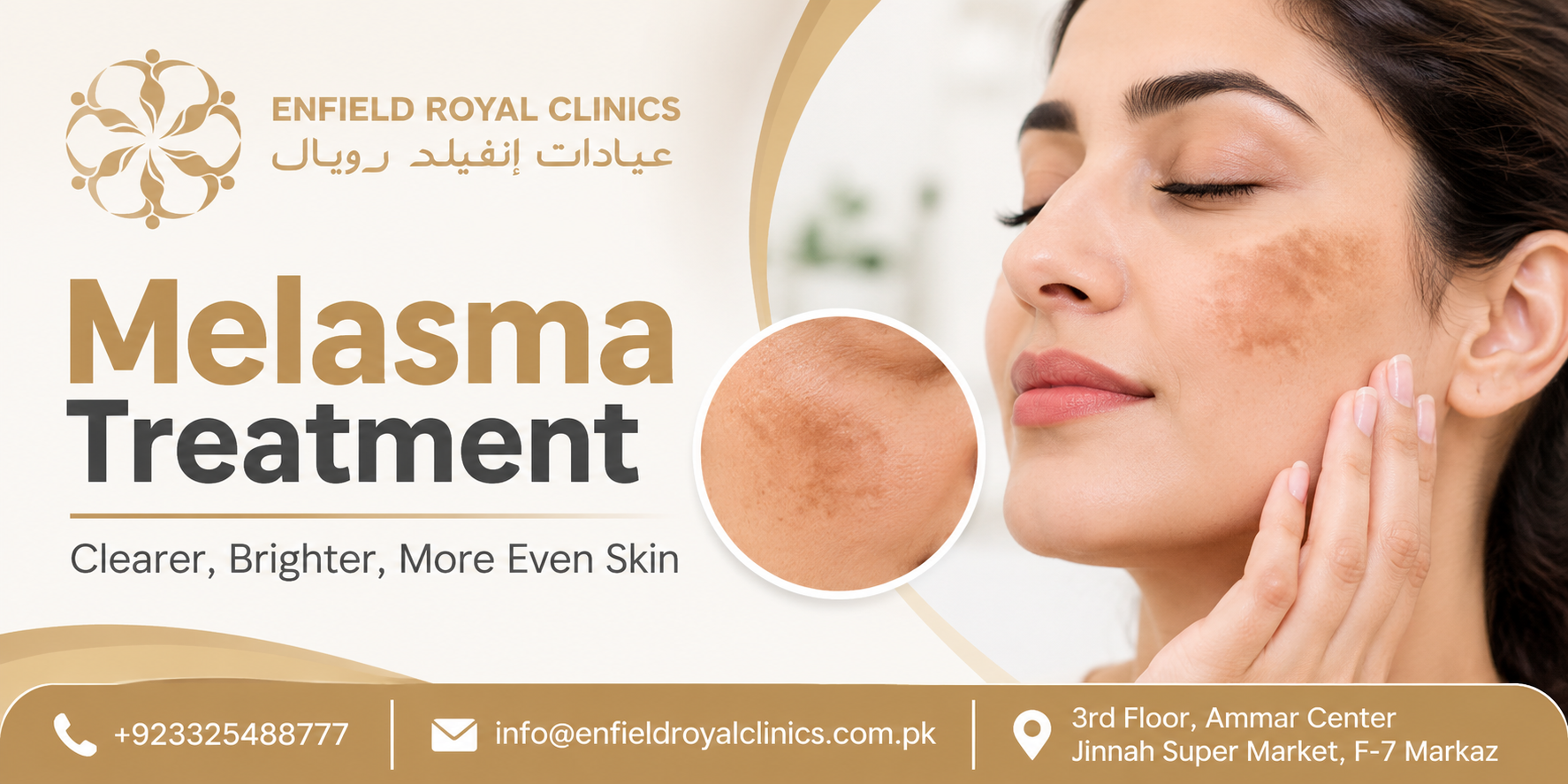

Melasma is a common skin condition that causes brown, greyish-brown, or darker patches to develop on the face. These patches usually appear on the cheeks, forehead, upper lip, nose, and chin. Although melasma does not generally cause physical discomfort, it can affect a person's confidence and make the skin tone look uneven. Sun exposure, hormonal changes, genetics, and certain medications are among the factors that can contribute to its development.
With advancements in modern skincare, different treatment options are available to help manage pigmentation and improve overall skin appearance. Melasma Treatment in Islamabad has become an important option for individuals looking to reduce stubborn dark patches and achieve a more balanced complexion. Professional treatment focuses on identifying the underlying causes of pigmentation and selecting suitable procedures or skincare solutions according to individual skin needs.
Understanding how melasma develops and which treatments may help can make it easier for individuals to choose an appropriate approach to skin care.
1. What Causes Melasma and Why Does It Develop?
Melasma develops when melanocytes, the cells responsible for producing skin pigment, become overactive and produce excess melanin. This extra pigment collects in certain areas, creating visible dark patches on the skin.
Several factors can contribute to this condition.
-
Sun exposure: Ultraviolet (UV) rays stimulate melanin production and can make existing pigmentation darker.
-
Hormonal changes: Pregnancy, hormonal contraceptives, and other hormonal fluctuations may trigger melasma.
-
Genetic factors: Individuals with a family history of melasma may have a higher likelihood of developing it.
-
Heat exposure: Certain sources of heat may worsen pigmentation in people who are prone to melasma.
-
Skin irritation: Harsh skincare products and inflammation can contribute to pigmentation problems.
Melasma can affect different skin types, although it is particularly common in individuals with medium to darker skin tones. Since its triggers can vary, understanding the cause is an important part of selecting an effective treatment plan.
2. How Does Melasma Treatment Help Clear Dark Patches?
Melasma Treatment in Islamabad focuses on reducing excess pigmentation, improving skin tone, and controlling factors that contribute to the development of dark patches. The treatment approach depends on the depth of pigmentation, skin sensitivity, severity of melasma, and individual medical history.
Different treatment methods work in different ways to improve the appearance of affected areas.
Topical Skin-Lightening Treatments
Dermatologists may recommend topical products containing ingredients that help regulate melanin production and reduce pigmentation. Common ingredients include:
-
Vitamin C to provide antioxidant protection and support a brighter complexion.
-
Azelaic acid to improve uneven pigmentation and reduce inflammation.
-
Kojic acid to help reduce excess melanin production.
-
Niacinamide to support the skin barrier and improve uneven skin tone.
-
Hydroquinone, when medically appropriate, to reduce excessive pigment production.
These products generally require consistent use under professional guidance. Results may develop gradually over several weeks or months.
Chemical Peels
Chemical peels involve applying specially selected solutions to exfoliate the outer layers of the skin. Depending on the formulation and concentration, they may help improve superficial pigmentation and encourage skin renewal.
A professional assessment is necessary before choosing a peel because overly aggressive treatments can irritate the skin and worsen melasma.
Laser and Light-Based Treatments
Certain laser and light-based procedures target excess pigment in the skin. They may be considered for selected individuals when other approaches have not provided sufficient improvement.
However, these procedures are not suitable for everyone. Some laser treatments can trigger inflammation or post-inflammatory hyperpigmentation, particularly in darker skin tones. Therefore, careful selection and appropriate settings are essential.
3. What Are the Benefits of Professional Melasma Treatment?
Professional pigmentation management offers several potential benefits for individuals struggling with persistent dark patches.
Improved Skin Tone: Treatment can help reduce visible pigmentation and create a more even-looking complexion.
Reduced Dark Patches: Suitable topical products and procedures may gradually lighten affected areas and make pigmentation less noticeable.
Personalized Skincare: A professional assessment helps identify the type of melasma and select products or procedures according to individual skin requirements.
Better Skin Appearance: Managing pigmentation can improve overall complexion and help the skin look healthier and brighter.
Long-Term Pigmentation Management: Proper skincare guidance and sun protection can help reduce the likelihood of recurring dark patches.
It is important to understand that melasma is a chronic condition. Even after successful treatment, pigmentation may return, particularly when the skin is exposed to sunlight or hormonal triggers.
4. Is Melasma Treatment Suitable for Different Skin Types?
Melasma can affect people with different skin types, but treatment selection requires careful consideration. Individuals with oily, dry, combination, and sensitive skin may need different skincare products and procedures.
For example, sensitive skin may respond better to gentle formulations that minimize irritation. Individuals with oily skin may benefit from lightweight, non-comedogenic skincare products, while dry skin may require additional moisturization to maintain a healthy skin barrier.
People with darker skin tones require particular attention because aggressive exfoliation and certain laser procedures can increase the risk of post-inflammatory pigmentation.
Before starting Melasma Treatment in Islamabad, a professional skin assessment can help determine:
-
The depth and severity of pigmentation.
-
The individual's skin type and sensitivity.
-
Possible hormonal or environmental triggers.
-
Previous skincare products and treatment history.
-
The most suitable treatment combination.
This personalized approach helps reduce unnecessary irritation and supports safer, more consistent results.
5. How Important Is Sun Protection During Melasma Treatment?
Sun protection is one of the most important parts of managing melasma. Even when pigmentation improves, exposure to ultraviolet rays and visible light can stimulate melanin production and cause dark patches to return.
Without proper sun protection, treatment results may be difficult to maintain.
Individuals dealing with melasma should consider the following precautions:
-
Apply a broad-spectrum SPF 30 or higher sunscreen every morning.
-
Choose a tinted sunscreen containing iron oxides when appropriate, as it can provide additional protection against visible light.
-
Reapply sunscreen every two hours when outdoors and after sweating or swimming.
-
Wear wide-brimmed hats and sunglasses during outdoor activities.
-
Avoid unnecessary direct sunlight, particularly during peak daytime hours.
-
Use gentle skincare products and avoid excessive exfoliation.
Consistent sun protection supports the effectiveness of professional treatments and helps prevent further pigmentation.
6. How Long Does Melasma Treatment Take to Show Results?
The time required to notice improvement depends on the severity of pigmentation, treatment method, skin type, and consistency of skincare.
Some individuals may notice gradual improvements within a few weeks, while others may require several months of consistent treatment. Deeper pigmentation can take longer to respond because the excess melanin is located in deeper layers of the skin.
Topical treatments usually require regular application, while chemical peels and selected procedures may involve multiple sessions.
Patients should avoid expecting immediate or permanent results. Melasma often requires ongoing management rather than a single treatment session.
Following professional recommendations, protecting the skin from sunlight, and avoiding harsh skincare products can help support better outcomes.
7. How Can Individuals Maintain Results After Melasma Treatment?
Maintaining results is just as important as selecting the right treatment. Since melasma can return, individuals should develop a consistent skincare routine that protects the skin and minimizes common triggers.
A suitable maintenance routine may include:
-
Using sunscreen daily, even on cloudy days.
-
Applying dermatologist-recommended pigmentation products.
-
Keeping the skin moisturized to maintain its protective barrier.
-
Avoiding harsh scrubs and irritating skincare ingredients.
-
Limiting unnecessary exposure to heat and sunlight.
-
Attending follow-up assessments when recommended.
Individuals should also avoid using unverified skin-lightening creams or combining multiple active ingredients without professional advice. Some products may contain inappropriate ingredients that can damage the skin or worsen pigmentation.
A balanced skincare routine and regular professional guidance can help individuals maintain a healthier-looking complexion over time.
Frequently Asked Questions (FAQs)
1. Is Melasma Treatment effective for removing dark patches?
Melasma treatment can help reduce excess pigmentation and improve uneven skin tone. The results depend on the severity of melasma, treatment selection, and consistency of skincare. Complete permanent removal cannot be guaranteed.
2. How many sessions are required for Melasma Treatment?
The number of sessions depends on the treatment method and the individual's skin condition. Some people may benefit from topical treatments, while others may require multiple professional sessions.
3. Can melasma return after treatment?
Yes, melasma can return even after noticeable improvement. Sun exposure, hormonal changes, and other triggers may cause pigmentation to reappear. Regular sunscreen use and maintenance skincare are important.
4. Is laser treatment safe for melasma?
Laser treatment may be suitable for selected individuals, but it requires careful assessment. Certain laser procedures can worsen pigmentation, especially in darker skin tones. Professional guidance is essential before proceeding.
5. Can melasma be treated with skincare products at home?
Some topical ingredients, including vitamin C, azelaic acid, and niacinamide, may help improve pigmentation. However, persistent or severe melasma may require a professionally supervised treatment plan.
6. What is the best way to prevent melasma from getting darker?
Daily broad-spectrum sunscreen, protective clothing, gentle skincare, and avoiding excessive sun exposure can help prevent pigmentation from becoming more noticeable.
Conclusion
Melasma can make the skin appear uneven and affect personal confidence, but appropriate treatment and consistent skincare can help manage the condition. From topical pigmentation products to chemical peels and carefully selected laser procedures, several options are available to reduce dark patches and improve complexion.
Melasma Treatment in Islamabad provides individuals with different approaches to managing stubborn pigmentation according to their skin type and condition. With professional assessment, suitable treatment, and regular sun protection, individuals can work towards a brighter, healthier-looking, and more even skin tone.
For more information visit Enfield royal clinic in islamabad



