

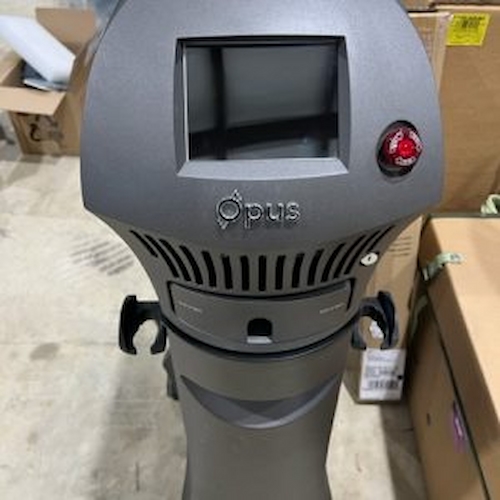

Skin care practices continue to expand their service offerings as clients seek noninvasive ways to improve firmness, texture, and visible signs of aging. Choosing suitable technology requires clinics to assess treatment goals, operating needs, and budgets. When comparing skin tightening equipment for sale, providers should consider how each system fits their patient population, treatment menu, staff experience, and available budget while supporting safe, consistent clinical workflows. A structured evaluation also helps teams avoid unnecessary features and focus on dependable performance across routine appointments.
Different Technologies Used in Skin Tightening
Skin tightening systems use different forms of energy to encourage changes within targeted tissue. Radiofrequency devices deliver controlled heat, while ultrasound platforms focus energy at selected depths. Some technologies combine energy types or include specialized applicators for different body areas. These approaches are not interchangeable, so a clinic should review the intended treatment areas, device indications, and available handpieces. Understanding the technology helps providers compare equipment on practical performance rather than relying only on marketing descriptions or broad claims about results.
Benefits of Radiofrequency Technology
Radiofrequency technology is widely used in aesthetic settings because it can deliver controlled thermal energy to targeted tissue. Systems vary in frequency, delivery method, cooling features, and treatment configuration. Monopolar, bipolar, and multipolar designs may have different operating characteristics and application requirements. Clinics should review the manufacturer's documentation to understand which areas and treatment protocols are supported. They should also consider whether the device offers adjustable settings and suitable accessories for the services the practice plans to provide.
Exploring Ultrasound Based Equipment
Ultrasound based platforms use focused acoustic energy to target selected tissue depths. Their treatment approach differs from radiofrequency, making it important for clinics to understand the system's intended use and technical specifications. Providers should review available treatment depths, transducer options, pulse settings, and required consumables. Training is especially important because correct patient selection and technique influence the treatment process. A careful comparison helps a practice determine whether ultrasound technology complements its existing services or fills a specific gap in its treatment menu.
Identifying the Right Equipment for Clinic Needs
The best equipment choice begins with a clear assessment of the clinic's goals. A practice focused on facial treatments may need different applicators and protocols from one that offers body focused services. Providers should identify the areas they intend to treat, expected appointment volume, and the types of clients they serve. This assessment creates a practical checklist for evaluating devices. It also reduces the risk of purchasing a system with features that sound attractive but do not support the clinic's everyday treatment needs.
Evaluating Equipment Condition and History
Before purchasing, clinics should examine the device's condition, service history, included accessories, and documentation. For preowned equipment, the seller should clearly explain whether the system has been inspected, tested, or refurbished, and what work was completed. Buyers should request photographs, serial number details, operating information, and records of maintenance where available. A transparent equipment history makes it easier to assess value and identify questions that need answers before payment, delivery, installation, or staff training is arranged over time.
Understanding the Total Investment
Budget planning should include more than the initial purchase price. Clinics may also need to account for shipping, installation, staff education, maintenance, replacement parts, and consumables. Warranty coverage and access to technical support can affect the overall cost of ownership. A lower priced device may not represent better value if essential accessories are missing or service support is difficult to obtain. Comparing the full expected investment helps decision makers choose equipment that fits financial plans without overlooking operational expenses.
Comparing New and Preowned Equipment Options
Clinics comparing new and preowned systems should evaluate both options against the same requirements. A preowned device may offer access to established technology at a lower purchase cost, but its condition and support arrangements must be verified. A new system may include current features and manufacturer programs, although the price may be higher. The right decision depends on budget, intended use, availability, and the condition of the specific unit. Reviewing the advantages of buying used cosmetic laser equipment can help frame this comparison.
Choosing a Reliable Equipment Seller
A reliable seller should provide clear information and answer technical questions directly. Buyers can ask about inspection procedures, refurbishment standards, return conditions, warranty terms, and available service assistance. They should also confirm exactly which handpieces, cables, foot pedals, manuals, and other accessories are included. If the equipment requires special electrical connections or room preparation, those details should be discussed before delivery. Clear communication helps prevent misunderstandings and supports a smoother transition from purchase to clinical use before purchase.
Reviewing Important Equipment Specifications
Equipment specifications deserve close attention because small differences can affect how a system fits into daily practice. Clinics should check power requirements, dimensions, weight, cooling systems, user interface, treatment modes, and compatible accessories. They should confirm whether the device can be installed in the intended treatment room and whether staff can operate it comfortably. Reviewing the technical documentation also helps identify any facility requirements. These checks are particularly important when comparing several models that appear similar in product listings.
Prioritizing Equipment Safety and Proper Use
Safety should remain central throughout the buying process. Providers need to understand the device's approved or intended uses, contraindications, warnings, and recommended treatment protocols. They should verify that the equipment includes appropriate safety features and that operating instructions are available. Staff training should cover setup, patient assessment, protective measures, treatment delivery, cleaning, and emergency procedures. Clinics must follow applicable regulations and professional standards in their location. A purchase should never be based on performance claims without reviewing the responsibilities involved in safe operation.
Importance of Professional Training
Training and ongoing education help clinics use equipment consistently. Even experienced aesthetic professionals may need instruction when adopting a different platform, interface, or energy delivery method. Buyers should ask whether training is included, who provides it, and whether additional education is available after installation. Written protocols can help standardize room preparation, patient communication, and device handling. Practices should also maintain records of staff training and equipment servicing. These steps support responsible use and help integrate a new system into established clinical routines.
Planning Maintenance and Technical Support
Maintenance planning is another important part of equipment ownership. Clinics should understand recommended service intervals, cleaning procedures, calibration needs, and the availability of replacement components. They should ask how technical issues are reported and whether qualified service support is accessible. For preowned systems, the age of the equipment and its service history may influence future maintenance needs. A clear plan can reduce unexpected downtime and help the practice maintain reliable appointment schedules. Buyers should include these considerations when estimating the system's long term value.
Exploring Available Skin Tightening Equipment
Aesthetic practices can compare available models by reviewing their treatment capabilities, condition, accessories, and support arrangements in one place. An organized inventory makes it easier to narrow choices and identify systems that align with a clinic's goals. Providers exploring skin tightening equipment options can use category information as a starting point, then request specific details about each available unit. Product descriptions should be treated as an introduction, with final decisions based on verified specifications and direct seller communication.
Considering the Treatment Experience
The treatment experience also matters when choosing a system. Clinics should consider appointment length, preparation requirements, comfort measures, and the steps involved in post treatment guidance. A device that fits the practice's workflow may help staff manage schedules more effectively. Providers should avoid assuming that every platform offers the same patient experience or requires identical protocols. Reviewing demonstrations and training materials, when available, can help the team understand how a system may function in real clinical settings before committing to a purchase.
Understanding Patient Selection and Expectations
Patient selection and realistic communication are essential for responsible aesthetic services. Skin tightening treatments may not be suitable for every person or every concern, and outcomes can vary according to individual factors and the technology used. Clinics should follow device guidance, conduct appropriate assessments, explain limitations, and discuss possible risks. They should not promise guaranteed results or suggest that one system is appropriate for all clients. Clear consultation practices help patients make informed decisions and support professional standards throughout the treatment journey.
Aligning Equipment With Business Goals
A clinic should also consider how a new device fits with its broader service strategy. Equipment may support an existing treatment category, complement other technologies, or introduce a service that requires additional marketing and staff development. Decision makers can estimate demand by reviewing current patient requests, local competition, and available appointment capacity. However, projected revenue should be realistic and should account for operating costs. A thoughtful business case connects the equipment purchase to practical service goals rather than relying on optimistic sales assumptions.
Comparing Equipment Prices and Purchase Terms
When comparing offers, buyers should request a written quotation that identifies the exact device and included components. The document should clarify the condition, price, payment terms, shipping arrangements, warranty coverage, and any installation or training commitments. Clinics should confirm whether taxes, delivery charges, or additional accessories are separate costs. They can also review broader available aesthetic equipment inventory to compare relevant options. Keeping purchase details in writing creates a useful record and makes it easier to evaluate competing proposals fairly.
Preparing Equipment for Clinical Use
After delivery, the clinic should inspect the equipment before placing it into service. Staff can compare the shipment with the purchase agreement, check for visible damage, confirm included accessories, and review the documentation. Installation and functional checks should follow the manufacturer's instructions and any applicable service requirements. The practice should complete training, establish cleaning and maintenance routines, and prepare patient information before scheduling treatments. A structured onboarding process helps identify concerns early and supports a more confident introduction of the equipment into daily operations.
Conclusion
Selecting skin tightening equipment is a practical decision that combines clinical goals, technology, safety, budget, and dependable support. Careful research helps providers compare systems based on their actual needs rather than price or promotional claims alone. By checking condition, documentation, accessories, training, and service arrangements, clinics can make more informed purchasing decisions. A well chosen system can support a thoughtful treatment offering when it is used appropriately and maintained responsibly. For clinics reviewing suitable options, MedPro Inc can be considered as part of the equipment sourcing process.



