

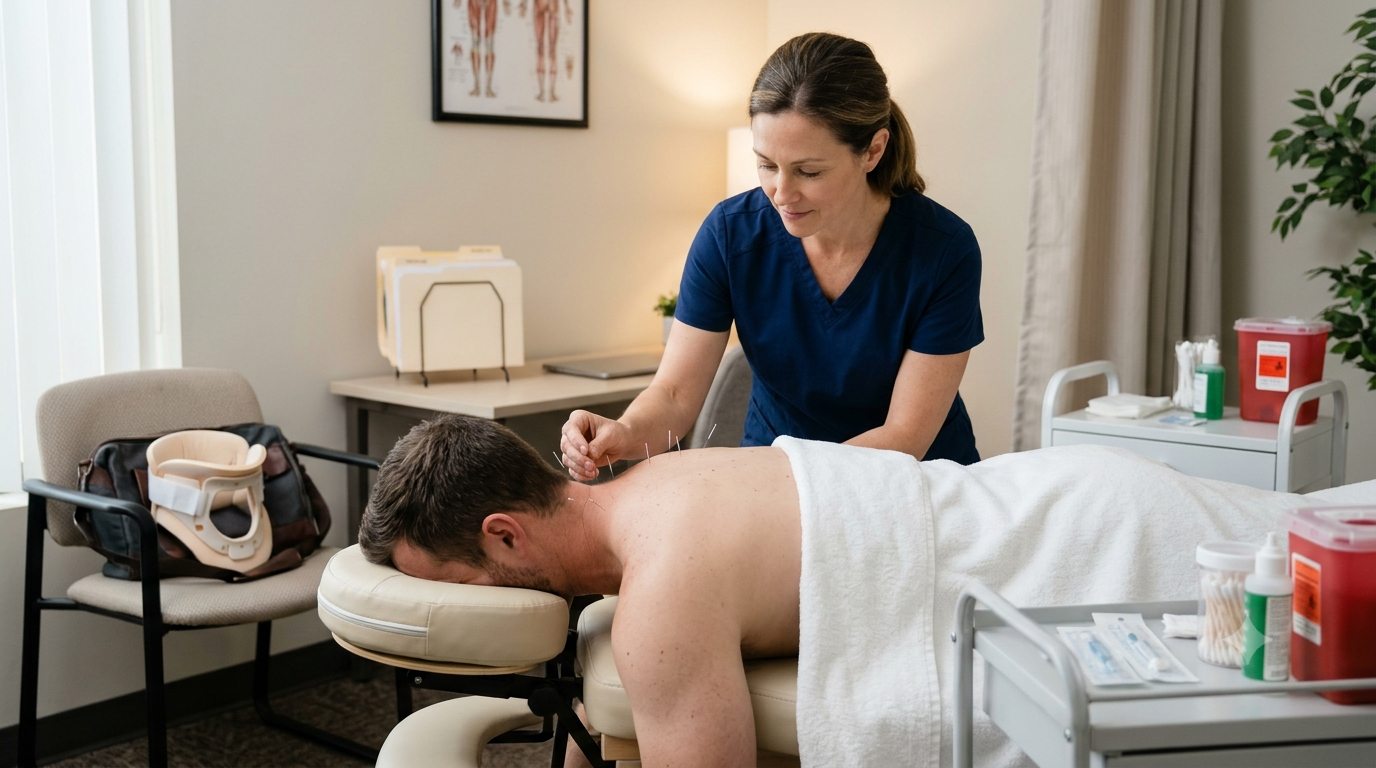
Acupuncture After a Car Accident: How to Recognise Symptoms That Need Medical Assessment First

After a road collision, you may initially feel shaken but physically fine. Hours or days later, neck stiffness, headaches, dizziness, or difficulty concentrating may become noticeable. If you are considering whether acupuncture after a car accident could fit into your recovery plan, the first priority is to understand what is causing the symptoms and whether you need medical assessment. Complementary treatment should never be used to investigate or manage a potentially serious injury without appropriate clinical evaluation.
A delayed symptom does not automatically mean something dangerous has happened. However, it should not be dismissed simply because you walked away from the collision. Knowing which signs require urgent attention can help you make safer decisions about the next step.
Why symptoms may appear after you leave the scene
A collision can involve sudden movement of the head, neck, and body. The immediate period may be stressful, and adrenaline or distraction can make it difficult to notice every symptom. Some injuries also become more noticeable as the body settles.
Whiplash is one possible source of delayed neck discomfort. It can involve pain, stiffness, headaches, and discomfort around the shoulders or upper back. Symptoms may take several hours to develop.
A collision can also involve a head injury. Symptoms of concussion may appear immediately or become noticeable later. These can include headache, dizziness, nausea, sensitivity to light or noise, fatigue, changes in sleep, and difficulty concentrating.
The same symptom can have different causes. A headache after a crash should not automatically be labelled a neck-muscle problem, particularly if there was a blow to the head or other concerning symptoms.
Know the warning signs before considering complementary treatment
Some symptoms need urgent medical attention rather than a routine therapy appointment.
|
Symptom after a collision |
Why it matters |
What to do |
|
Worsening headache that does not settle |
Can be a warning sign after a head injury |
Seek emergency medical assessment |
|
Repeated vomiting |
May indicate a more serious head injury or other problem |
Seek urgent medical care |
|
New weakness, numbness, or loss of coordination |
May indicate neurological involvement |
Seek urgent medical assessment |
|
Slurred speech, unusual confusion, or difficulty recognising people |
Can be a danger sign following head trauma |
Seek emergency medical care |
|
Loss of consciousness or difficulty staying awake |
Needs urgent assessment |
Seek emergency medical care |
|
Severe neck pain with weakness or tingling in the limbs |
May indicate nerve or spinal involvement |
Obtain urgent medical advice |
|
Difficulty walking or maintaining balance |
May signal a significant injury |
Seek urgent medical assessment |
If symptoms are severe, rapidly worsening, or suggest a serious injury, do not drive yourself to an appointment. Contact local emergency services or obtain urgent medical help.
When a medical check is sensible even without emergency symptoms
Not every post-collision symptom is an emergency, but a medical review may still be important. Arrange an assessment if you have persistent neck pain, recurring headaches, dizziness, reduced movement, arm discomfort, or symptoms that are interfering with normal activities.
A clinician can ask about the collision, examine you, assess neurological symptoms where relevant, and decide whether further investigation or referral is needed. This matters because different injuries can require different management.
Do not assume that a mild-looking vehicle impact means there was no injury. The force experienced by the body cannot always be judged from visible damage to the vehicle.
Where complementary care fits after an assessment
Once a healthcare professional has assessed the injury and discussed an appropriate plan, you may want to explore additional options for comfort or wellbeing. Acupuncture is one option some people ask about, but its role should be described realistically.
Evidence for acupuncture in whiplash-related care is limited. Some clinical guidance treats it as an option that should be used cautiously, alongside recommended care, and continued only when measurable improvement is observed. It is not a substitute for assessment, appropriate exercise, medical treatment, or referral when indicated.
A responsible practitioner should ask about the collision, the timing of symptoms, medical assessment, current medication, and any restrictions. They should not claim that a session can diagnose concussion, repair a spinal injury, or rule out nerve damage.
A practical decision pathway after a collision
Use the following steps to decide what to do when symptoms appear after a crash.
-
Write down what happened. Record the date and approximate time of the collision, the direction of impact, whether your head struck anything, and whether you lost consciousness or felt confused.
-
List your symptoms. Note where you feel pain, when it started, whether it is worsening, and whether you have headaches, dizziness, nausea, numbness, weakness, or changes in concentration.
-
Check for emergency warning signs. Worsening severe headache, repeated vomiting, seizures, confusion, slurred speech, unusual drowsiness, or new weakness require urgent medical attention.
-
Arrange an assessment for ongoing symptoms. If symptoms are not emergencies but persist or interfere with daily life, contact a healthcare professional for an examination and advice.
-
Follow the recommended recovery plan. Ask which activities are appropriate, whether exercises are recommended, and whether you need follow-up or referral.
-
Discuss complementary care only after the clinical picture is clearer. Share the assessment findings and treatment instructions with the practitioner.
-
Review progress objectively. Track pain, movement, sleep, and daily function. If symptoms worsen or new symptoms develop, contact your healthcare professional rather than simply booking more sessions.
What information should you bring to an appointment?
A clear account of your symptoms can make a consultation more useful. If possible, prepare:
-
The date and circumstances of the collision.
-
Whether you struck your head or experienced a sudden jolt.
-
The time each symptom began.
-
Any changes in headache, dizziness, neck movement, or arm symptoms.
-
Medication and treatment already received.
-
Any medical assessment, imaging, or referral.
-
Activities that make symptoms better or worse.
If you have been assessed for a concussion or another injury, follow the clinician's advice about driving, work, exercise, and other activities. Do not assume that feeling slightly better means you are ready to resume everything.
Two realistic examples
Example 1: A headache and dizziness appear later
A driver feels shaken after a collision but does not notice major symptoms at the scene. Later that evening, a headache develops and they begin feeling dizzy. Instead of booking a routine therapy appointment, they seek medical advice and explain that the symptoms began after the crash. The clinician decides what assessment is needed before any complementary treatment is considered.
Example 2: Neck stiffness without emergency warning signs
A passenger develops neck stiffness the morning after a minor collision. They have no severe headache, neurological symptoms, or other emergency warning signs, but turning the head is uncomfortable. They arrange a medical review, receive guidance on activity and follow-up, and ask whether an optional complementary appointment can fit alongside the recommended plan.
The situations are different. The first requires attention to possible head injury; the second needs an appropriate assessment of neck symptoms. Neither should be diagnosed by an acupuncture appointment alone.
Illustrative Case Study: A symptom diary changes the conversation
Daniel is involved in a rear-end collision. He feels tense but does not notice significant pain immediately. The next morning, he has neck stiffness and a headache. Over the following day, he notices that the headache is becoming more intense and that bright light bothers him.
Daniel initially assumes the symptoms are ordinary muscle tension. Before booking a complementary appointment, he contacts a healthcare professional and explains the changes. The clinician assesses him and gives instructions for monitoring and follow-up. Daniel does not attend an optional treatment until he has clarified what is appropriate.
The transferable lesson is simple: the timing and pattern of symptoms matter. A change in symptoms can change the level of care required. Do not let a plan for complementary treatment delay an assessment.
How to judge a responsible recovery plan
A good plan should be based on the injury that has actually been assessed, not on assumptions about what usually happens after a crash.
|
A responsible approach |
A concerning approach |
|
Recommends medical assessment when symptoms warrant it |
Treats every symptom as routine muscle tension |
|
Explains what complementary treatment can and cannot do |
Promises to diagnose or repair hidden injuries |
|
Respects medical advice and referrals |
Tells you to ignore a clinician's instructions |
|
Monitors changes in pain and function |
Recommends repeated sessions without reviewing progress |
|
Encourages appropriate activity based on clinical advice |
Advises prolonged inactivity or unsafe activity |
|
Explains risks and asks about medical history |
Begins treatment without asking about the collision |
The quality of communication is particularly important after an accident because symptoms may evolve. You should know who to contact if something changes and what signs mean you need a different level of care.
Conclusion
Symptoms after a car accident can appear gradually, and not every problem is visible at the scene. Before considering any complementary therapy, make sure that warning signs have been recognised and that persistent symptoms have been appropriately assessed.
If you are exploring acupuncture after a car accident, choose a practitioner who asks about your medical evaluation, respects your recovery plan, and does not make claims beyond the evidence. The aim should be to consider optional support safely—not to replace diagnosis or delay treatment for a more serious injury.
For more information about the services offered by Swiss Acupuncture, visit the clinic's website and discuss your post-collision symptoms and medical guidance before arranging an appointment.
Frequently Asked Questions
Can whiplash symptoms begin the day after a car accident?
Yes. Neck pain and stiffness may take several hours to become noticeable. Delayed symptoms should still be discussed with a healthcare professional, particularly if they are severe or worsening.
Should I book acupuncture if I have a headache after a collision?
First consider whether the headache needs medical assessment, especially if it is worsening or accompanied by vomiting, confusion, dizziness, weakness, or other concerning symptoms. Complementary treatment should not delay that assessment.
Can acupuncture diagnose a concussion?
No. Concussion assessment requires an appropriate healthcare evaluation. An acupuncture session cannot rule out a head injury.
Is acupuncture proven to treat whiplash?
Evidence is limited. Some guidance allows it only as a cautious adjunct to recommended care, with progress monitored. It should not replace assessment and active rehabilitation where indicated.
What if I develop numbness or weakness after the crash?
New weakness, numbness, coordination problems, or difficulty walking can indicate a more serious issue. Seek urgent medical assessment rather than attending a routine complementary appointment.
Should I continue normal activities after a collision?
That depends on the injury and any head or neck symptoms. Follow your clinician's advice about work, driving, exercise, and daily activities.



