

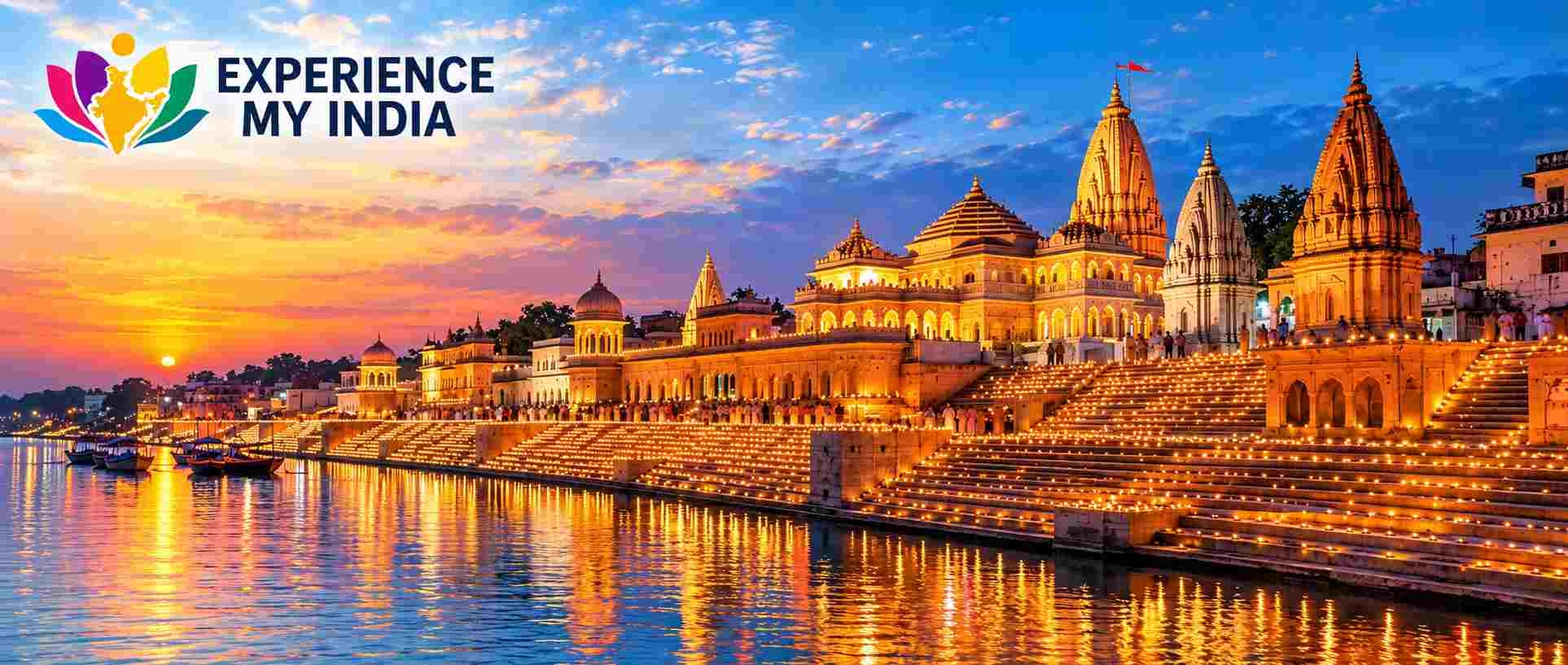

Understanding somnath history helps pilgrims see Prabhas Patan as more than a single monument on the Arabian Sea. Known as the first of the twelve Jyotirlingas, the shrine has endured repeated destruction and rebuilding across centuries before its modern consecration on 11 May 1951. Knowing that past shapes how you plan timings and etiquette.
Why Somnath History Matters Before You Arrive
In Hindu tradition, the name Somnath refers to Lord Shiva as the lord of Soma, the Moon, and the shrine stands at Prabhas Patan near Veraval as the foremost of the twelve Jyotirlingas. Scriptural lore associates the coast with ancient sacred geography, including the nearby Triveni Sangam and traditions linked to Lord Krishna.
Over the centuries, coastal wealth, trade routes, and political shifts brought repeated raids and reconstructions to this shoreline. Pilgrims who read somnath history in advance arrive with realistic expectations about crowds, security rules, and the calm, deliberate pace needed to stand inside a historic shrine.
If you are still shaping your wider itinerary across western Gujarat, Somnathdwarkatourpackage offers local route notes that help frame how this temple fits alongside Dwarka and nearby stops.
Cycles of Destruction and Rebuilding Across the Centuries
Historical records and temple chronicles describe Somnath being sacked and rebuilt multiple times over the medieval period, often cited as seven major reconstructions. Each generation of rulers and devotees restored worship on the same sacred site even after severe damage to the structure.
Among the best known episodes is the 1025 to 1026 CE raid by Mahmud of Ghazni, followed later by campaigns under Alauddin Khalji's forces in 1299 and rulers of the Gujarat Sultanate. Between raids, patrons such as Chalukya ruler Kumarapala in the 12th century and later regional builders carried out repairs and re-erected shrines.
Even when the grand structure suffered, local devotion kept the sacred precinct alive. That pattern of ruin and renewal is central to why pilgrims treat a visit to Prabhas Patan as a quiet act of continuity rather than simple sightseeing.
The 1951 Reconstruction and Modern Shrine
The present temple at Prabhas Patan reflects a major modern chapter in somnath history. Following India's independence, Sardar Vallabhbhai Patel visited the ruins in November 1947 and backed the resolve to rebuild the shrine through public donations and the Shree Somnath Trust rather than state funds.
Built in the Chalukyan or Kailash Mahameru Prasad architectural style by traditional Sompura builders, the rising stone structure was consecrated on 11 May 1951 by President Rajendra Prasad. Today, general darshan runs daily from 6:00 am to 10:00 pm, with aartis at 7:00 am, 12:00 pm, and 7:00 pm.
For pilgrims comparing broader circuits, exploring a somnath dwarka tour package makes it easier to see how the 233 km coastal road between Dwarka and Somnath affects your daily clock.
Comparing Ways to Visit Somnath and Dwarka
Most pilgrims pair Somnath with Dwarka because both sit on the Saurashtra coast, roughly 233 km apart by road via Porbandar on NH51, taking about 4.5 to 5 hours in normal traffic. Because there is no single short direct train between the two towns, choosing your transport and stay style changes how relaxed your days feel.
| Aspect | Private Car Circuit | Self-Drive or Bus | Stay Near the Temple |
|---|---|---|---|
| Pace and timing | Follows aarti and temple hours with one driver | Bus stops and schedules set the clock | Easy walk for 7:00 am or 7:00 pm aarti |
| Comfort on 233 km leg | Air-conditioned cabin for your group | More fatigue or shared seats on long runs | Less morning rushing for elders |
| Best suited for | Families, elders, first-time visitors | Solo travellers or flexible budgets | Pilgrims wanting unhurried temple access |
If you prefer point-to-point road flexibility across Saurashtra, a somnath dwarka taxi service lets you match vehicle seating and luggage space to your group.
Practical Etiquette, Timings, and Local Trade-Offs
A smooth visit to Somnath depends on simple on-the-ground habits. General entry to the temple is free, and the Shree Somnath Trust provides wheelchairs, golf carts, and lift assistance at the main gate for elderly or differently-abled pilgrims.
Mobile phones, cameras, and smartwatches are not allowed inside the temple premises, so plan to deposit them in the cloakroom before joining the queue. Dress modestly, keep photo ID handy, and book trust guest houses, pujas, or prasad only through the official Shree Somnath Trust portal at somnath.org.
Evening schedules also involve trade-offs. The 7:00 pm sandhya aarti draws large crowds, and the evening Jay Somnath sound and light show runs later in the evening outside the monsoon season, so eating early and pacing your walk saves stress. When choosing where to sleep, vetted hotels in somnath can be weighed by walking distance versus sea views.
Planning Around Seasons and Nearby Sacred Stops
From a practical standpoint, October to March brings the most comfortable coastal weather for walking temple courtyards and driving along Saurashtra highways. Summer heat rises between April and June, while monsoon rains from July to September can affect sea-facing evenings and nearby ferry crossings at Bet Dwarka.
Festival periods such as Shravan, Mahashivratri, and Kartik Purnima bring much heavier crowds and higher room demand, so confirming temple timings and booking early matters. Many visitors also pair the main shrine with nearby sites like Bhalka Tirth and the Triveni Sangam.
If you are mapping out a multi-day route across Gujarat, gujarat temple guides help clarify dress norms and locations beyond the main coast. You can also use a somnath dwarka trip planner to check whether starting at Somnath or Dwarka suits your arrival point.
Frequently asked questions
When was the current Somnath temple consecrated?
The present reconstructed temple was consecrated on 11 May 1951 by President Rajendra Prasad, following Sardar Vallabhbhai Patel's 1947 initiative and work led by the Shree Somnath Trust and traditional Sompura craftsmen.
What are the daily darshan and aarti timings at Somnath?
According to the Shree Somnath Trust, general darshan runs daily from 6:00 am to 10:00 pm, with daily aartis held at 7:00 am, 12:00 pm, and 7:00 pm.
Can I carry a mobile phone inside Somnath temple?
No, mobile phones, cameras, and smartwatches are not permitted inside the temple complex. Visitors should leave prohibited items in the cloakroom before entering.
How far is Somnath from Dwarka by road?
The road distance between Somnath and Dwarka is about 233 km, usually via Porbandar, and typically takes around 4.5 to 5 hours by car depending on traffic and stops.
Which months are best for visiting Somnath?
October to March is widely considered the most comfortable window for coastal weather and road travel, whereas monsoon months bring rain and festival dates like Shravan and Mahashivratri draw larger crowds.



