

What Makes dentists in monroe a Valuable Part of Your Oral Health Journey

Maintaining a healthy smile involves more than brushing twice a day or visiting a dental office when discomfort appears. Teeth and gums need consistent attention, preventive care, and professional guidance to remain healthy through different stages of life. Experienced dentists in monroe can help patients understand their oral health needs, identify potential concerns, and explore suitable treatments before minor problems become more complicated. From routine examinations to restorative and cosmetic procedures, professional dental care plays an important role in protecting comfort, function, and confidence.
The Importance of Professional Dental Care
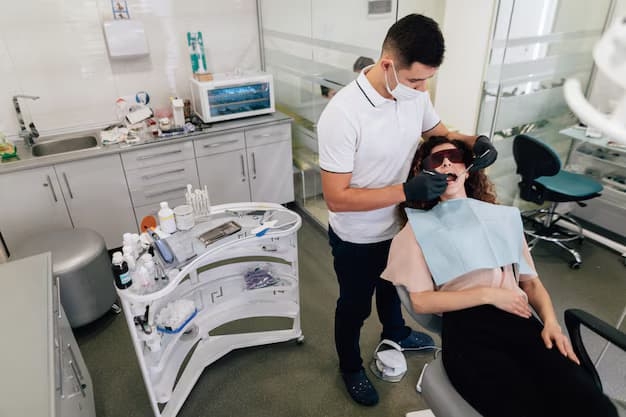
Daily oral hygiene provides the foundation for healthy teeth, but it cannot replace professional examinations and cleanings. Plaque can collect in areas that are difficult to reach with a toothbrush, while early signs of decay or gum disease may not cause noticeable symptoms. Regular dental visits allow professionals to examine the teeth, gums, and surrounding tissues for changes that may require attention. These appointments also give patients an opportunity to discuss concerns and receive recommendations based on their individual dental history.
Professional dental care is valuable because oral health needs can change over time. Children may need guidance as permanent teeth emerge, adults may require monitoring of existing restorations, and older patients may experience changes in gum health or saliva production. A consistent relationship with a dental provider helps keep these changing needs organized. Through general dentistry services, patients can access preventive evaluations and treatment recommendations designed to support healthier smiles over the long term.
Preventive Examinations Help Identify Problems Early
Preventive dental examinations are designed to identify potential issues before they develop into more serious concerns. During an appointment, the dental professional may check for cavities, damaged enamel, gum inflammation, worn restorations, and changes in the bite. Dental X-rays may also be recommended when necessary to examine areas that cannot be assessed through a visual examination alone. The frequency of these visits depends on individual risk factors, dental history, and the recommendations of the treating professional.
Early identification can make treatment planning more straightforward. A small cavity may be suitable for a filling, while a more extensive area of decay may require a different restorative approach. Similarly, early gum inflammation may respond to improved hygiene and professional cleaning, whereas advanced disease can require more involved care. Patients benefit from asking questions whenever a concern is identified. Understanding the reason behind a recommendation helps them participate actively in decisions about their oral health.
Professional Cleanings Support Healthy Teeth and Gums
Even people who brush and floss consistently can develop hardened deposits known as tartar. Once plaque hardens, it cannot be removed effectively through ordinary brushing at home. Professional dental cleanings help remove this buildup from tooth surfaces and areas around the gumline. The dental professional may also discuss brushing techniques and other habits that can help reduce plaque accumulation between appointments. These visits are especially useful for patients who have difficulty cleaning certain areas or have a history of gum problems.
Healthy gums are essential for supporting natural teeth. Persistent plaque buildup can irritate gum tissue and contribute to inflammation, bleeding, and other signs of gum disease. Patients should tell their dental professional if they notice swelling, tenderness, bleeding during brushing, or changes in gum appearance. Professional monitoring helps determine whether additional care is needed. Maintaining regular cleanings alongside daily brushing and flossing creates a more complete approach to protecting the structures that support each tooth.
Restorative Treatments Help Preserve Damaged Teeth
Dental problems sometimes develop despite careful preventive habits. Cavities, cracks, worn enamel, and damaged fillings can affect the strength and function of natural teeth. Restorative dentistry offers different ways to repair these concerns and preserve as much healthy tooth structure as possible. Depending on the extent of damage, a dental professional may recommend a tooth-colored filling, a crown, or another suitable restoration. The choice depends on the tooth's condition, location, bite pressure, and the amount of healthy structure that remains.
Timely restorative care can help patients avoid additional complications. A small area of decay may be treated before it reaches deeper parts of the tooth, while a weakened tooth may need a crown for added coverage and support. In some cases, a damaged tooth may require root canal treatment before a final restoration can be placed. Patients should discuss the expected benefits, limitations, and maintenance requirements of each option. A clear explanation helps them understand how treatment can restore comfort and everyday function.
Root Canal Treatment Can Help Save an Infected Tooth
When bacteria reach the soft tissue inside a tooth, inflammation or infection may develop. This can happen because of deep decay, repeated dental procedures, or an injury that damages the tooth. Symptoms may include persistent pain, sensitivity to temperature, discomfort while chewing, or swelling, although some affected teeth may produce few noticeable symptoms. A dental examination helps identify the source of the problem and determine whether root canal treatment may be appropriate.
Root canal treatment involves removing the affected pulp tissue, cleaning the inside of the tooth, and sealing the space to help prevent further infection. A suitable restoration may then be recommended to protect the remaining tooth structure. The exact treatment plan depends on the tooth's condition and the extent of damage. Patients can learn more about root canal treatment and discuss any concerns about the procedure, recovery, and recommended follow-up care with their dental professional.
Cosmetic Dentistry Can Improve Smile Confidence
Oral health and smile appearance often influence one another. Stained teeth, chipped edges, uneven shapes, and visible gaps may affect how comfortable people feel when smiling or speaking. Cosmetic dentistry offers different procedures that can improve the appearance of teeth while considering their natural structure and function. Professional whitening, composite bonding, veneers, and other treatments may be suitable depending on the patient's concerns. A consultation helps determine whether the desired changes can be achieved safely and realistically.
Cosmetic treatment should begin with an assessment of the teeth and gums rather than an assumption that a particular procedure is necessary. Existing cavities, gum inflammation, or damaged restorations may need attention before aesthetic improvements are considered. Patients should also discuss how results are maintained and whether the treatment involves altering natural tooth structure. Exploring cosmetic dentistry options can help individuals understand available approaches and prepare for a conversation about their smile goals.
Family Dentistry Supports Every Stage of Life
Families often have different dental needs within the same household. Young children need support as their primary teeth develop and permanent teeth begin to emerge. Teenagers may require guidance about orthodontic treatment, sports-related protection, and consistent hygiene habits. Adults may need preventive examinations, restorative treatment, or cosmetic improvements, while older family members may benefit from monitoring existing dental work and gum health. Family-focused dental care helps address these changing needs through ongoing professional guidance.
Having a familiar dental office can also make appointment planning easier. Parents can organize routine visits, discuss children's oral development, and receive recommendations for age-appropriate preventive care. Children who become comfortable with regular examinations may develop more positive attitudes toward dental visits as they grow. Adults also benefit from maintaining a consistent care relationship because the dental team can monitor changes over time. This continuity supports more organized treatment planning and helps families make oral health a shared priority.
Preventive Treatments Can Protect Children's Teeth
Children's teeth can be especially vulnerable to cavities because developing brushing skills and frequent snacking may make plaque control more challenging. Newly erupted permanent molars often have deep grooves that can trap food particles and bacteria. A dental professional may recommend protective treatments such as sealants for suitable teeth. Sealants cover selected chewing surfaces with a thin protective coating, helping reduce the risk of decay in areas that may be difficult to clean thoroughly.
Preventive recommendations depend on a child's age, tooth development, oral hygiene habits, and cavity risk. Sealants do not replace fluoride toothpaste, brushing, flossing, or routine examinations, but they can provide additional protection when appropriate. Parents should ask when permanent molars should be evaluated and how sealants are monitored after application. Learning about dental sealants can help families understand this preventive option and decide whether it may benefit a growing smile.
Dental Implants Can Restore Missing Teeth
Missing teeth can affect chewing, speech, and the appearance of a smile. Depending on the location and number of missing teeth, patients may experience difficulty eating certain foods or feel less confident during everyday conversations. Dental implants are one option for replacing missing teeth. An implant is placed in the jawbone to support a replacement tooth or other dental restoration. Suitability depends on factors such as bone condition, gum health, medical history, and the patient's overall treatment needs.
Implant treatment usually involves several stages, including planning, placement, healing, and restoration. The timeline varies according to individual circumstances and whether additional procedures are required. Patients should understand the benefits, limitations, maintenance needs, and possible alternatives before deciding on treatment. Good oral hygiene and regular professional monitoring remain important after an implant restoration is completed. Exploring dental implant treatment can provide useful background for patients considering ways to replace missing teeth and restore everyday function.
Communication Makes Dental Visits More Valuable
A positive dental experience depends partly on how comfortably patients can communicate with their care team. Patients should feel able to describe symptoms, explain concerns, ask about treatment alternatives, and discuss any anxiety they may experience. Clear communication allows the dental professional to understand personal priorities and explain recommendations in language that is easy to follow. It also helps patients understand the purpose of examinations, procedures, and follow-up appointments rather than feeling uncertain about their care.
Before an appointment, patients may find it helpful to write down questions about sensitivity, bleeding gums, tooth pain, or cosmetic concerns. They can also mention medications, previous dental procedures, and changes in general health that may affect treatment planning. Understanding the proposed treatment, expected recovery, and home-care instructions can make it easier to follow recommendations. When patients take an active role in conversations, they are better prepared to make informed decisions and maintain consistent oral health habits.
Building Daily Habits That Support Professional Care
Professional dental visits are most effective when supported by consistent habits at home. Brushing twice daily with fluoride toothpaste helps remove plaque and protect enamel, while daily flossing cleans between teeth where toothbrush bristles may not reach. Replacing a worn toothbrush, using gentle brushing pressure, and following appropriate cleaning techniques can improve everyday plaque control. Children may need supervision until they develop the coordination to brush and floss effectively on their own.
Diet also plays a role in protecting teeth and gums. Frequent exposure to sugary foods and drinks can increase the risk of tooth decay, while highly acidic beverages may contribute to enamel erosion. Choosing balanced meals, drinking water regularly, and limiting frequent sugary snacks can support better oral health. Patients should also avoid using their teeth to open packages or bite hard objects. These small habits complement professional care and help protect natural teeth and restorations between appointments.
Conclusion
Dentists contribute to every stage of the oral health journey by providing preventive examinations, professional cleanings, restorative solutions, and guidance tailored to individual needs. Their support helps patients recognize concerns early, understand available treatments, and develop habits that protect teeth and gums over time. Consistent communication and regular appointments make it easier to maintain a healthy smile through changing life stages. Patients seeking ongoing family and restorative dental care can turn to Martinez & Martinez Family Dental Care for professional guidance and support in making informed decisions about their oral health.



