

How Professional Mold Removal Helps Create a Cleaner and Healthier Indoor Environment

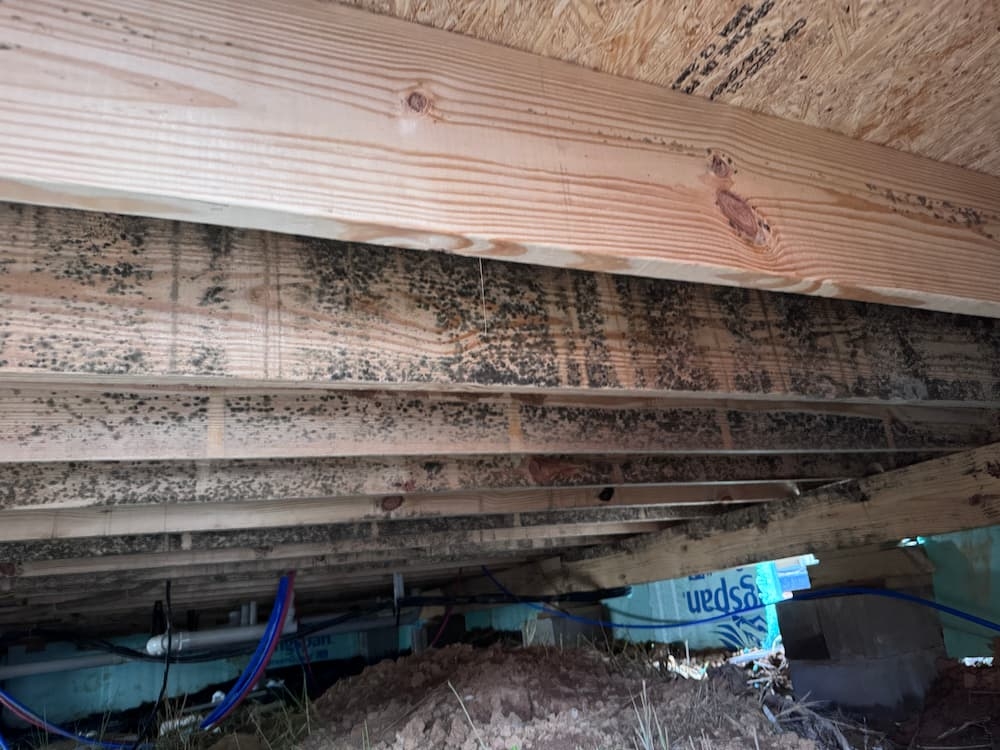
A clean indoor environment involves more than maintaining tidy surfaces and removing visible dirt. Moisture related problems can introduce mold into different areas of a property, affecting building materials, indoor air quality, and overall comfort. Mold removal plays an important role in addressing these concerns by identifying affected areas and reducing unwanted microbial growth. Mold can develop behind walls, beneath flooring, inside crawlspaces, and around HVAC components. Understanding how contamination develops helps property owners recognize why professional evaluation is valuable for maintaining healthier indoor surroundings.
How Mold Develops Inside Residential Properties
Mold growth commonly begins when moisture remains available on surfaces or within building materials for extended periods. Roof leaks, plumbing problems, condensation, poor ventilation, and elevated indoor humidity can create conditions that support its development. Even after a visible water problem appears resolved, moisture may remain in concealed spaces. These conditions can allow contamination to spread beyond its original location. Understanding the relationship between moisture and building materials helps explain why addressing the underlying environmental conditions is essential for preventing recurring problems.
Recognizing Signs of Hidden Mold Problems
Visible discoloration is one recognizable indication of possible mold growth, but many indoor problems develop outside ordinary view. Persistent musty odors, recurring moisture stains, peeling paint, and unexplained deterioration around windows or ceilings can indicate conditions that deserve further investigation. Sometimes, odors become noticeable only when heating or cooling equipment operates, suggesting that air movement may be affecting how contaminants travel. A detailed assessment helps identify potential sources instead of relying exclusively on visible surfaces or temporary cleaning methods.
Why Professional Mold Removal Requires a Thorough Assessment
Effective treatment begins with understanding the extent and location of a moisture related problem. A professional evaluation can examine affected materials, surrounding spaces, ventilation patterns, and conditions that may contribute to continued growth. Appropriate inspection methods help distinguish isolated surface concerns from broader indoor environmental issues. Depending on the property, additional investigation may include moisture measurements, visual examination, and air quality testing. This information supports more informed decisions about treatment and helps determine whether hidden areas require further attention before the work begins.
Understanding How Mold Affects Indoor Air Quality
Indoor air continuously moves between rooms through natural airflow, ventilation systems, and everyday activities. Mold particles can become airborne when disturbed, allowing them to move beyond the original growth location. HVAC equipment, return air pathways, and pressure differences between floors may influence how indoor contaminants circulate. Consequently, addressing one visible area does not always resolve a broader air quality concern. A whole home perspective considers how different spaces interact and helps identify environmental conditions that may contribute to persistent odors or recurring contamination.
The Value of Appropriate Treatment Methods
Different properties present different conditions, so treatment methods should reflect the affected materials, moisture sources, and extent of contamination. Professional procedures may involve carefully addressing affected surfaces, treating appropriate materials, and evaluating surrounding areas. Specialized approaches, including dry vapor technology, can offer an alternative to certain conventional treatment methods when suitable for the situation. Understanding the Vapure process and dry vapor treatment approach helps explain why treatment selection matters. The objective is to address contamination while considering the condition and long term protection of the property.
Preventing Recurring Mold Growth Through Moisture Management
Removing existing growth is only one part of maintaining a healthier indoor environment. Moisture conditions must also be understood and managed to reduce the likelihood of recurring problems. Property owners can benefit from monitoring humidity, repairing plumbing leaks, maintaining appropriate ventilation, and checking areas where condensation frequently develops. Crawlspaces, basements, bathrooms, and poorly ventilated storage areas deserve particular attention. A consistent maintenance routine can reveal developing concerns before they affect larger sections of the building or contribute to more complicated indoor environmental conditions.
Why Whole Home Inspection Matters
Mold related concerns are not always restricted to the room where visible growth first appears. Moisture can travel through building materials, while airborne particles may move between connected spaces. A broader assessment considers relationships between crawlspaces, occupied rooms, insulation, and HVAC systems. A whole home mold inspection can help identify conditions that a limited surface examination might overlook. This approach provides a more complete understanding of potential contamination and supports decisions based on the property's overall indoor environment.
Choosing the Right Mold Testing and Inspection Approach
Testing can provide useful information when property owners need a clearer understanding of possible indoor contamination. However, different testing approaches serve different purposes, and results should always be interpreted alongside the property's condition and moisture history. Air sampling, surface sampling, and targeted inspections may help investigate specific concerns. The mold testing and inspection process provides additional context about evaluating indoor conditions. Selecting an appropriate method helps avoid unnecessary testing while ensuring that important environmental questions receive proper attention.
Maintaining a Cleaner and Healthier Living Environment
Long term indoor environmental care requires attention to both visible conditions and less obvious contributors. Regular property inspections, humidity monitoring, timely maintenance, and appropriate ventilation can help reduce moisture related risks. Homeowners should also investigate recurring odors rather than repeatedly masking them with fragrances or household cleaning products. When water damage occurs, affected areas should receive appropriate attention, including checks for moisture remaining within concealed materials. These practical measures support better property maintenance and help create indoor spaces that remain comfortable and suitable for everyday living.
Conclusion
A cleaner and healthier indoor environment depends on understanding how moisture, building materials, ventilation, and airborne contaminants interact. Professional evaluation and appropriate treatment can help identify hidden problems, address existing growth, and reduce conditions that contribute to recurring concerns. A comprehensive approach also supports better decisions about inspection, testing, and ongoing property maintenance. Pure Air Mold Remediation focuses on helping property owners understand indoor environmental conditions through informed assessment and specialized treatment approaches, supporting healthier indoor spaces and greater confidence in the condition of their homes.



