

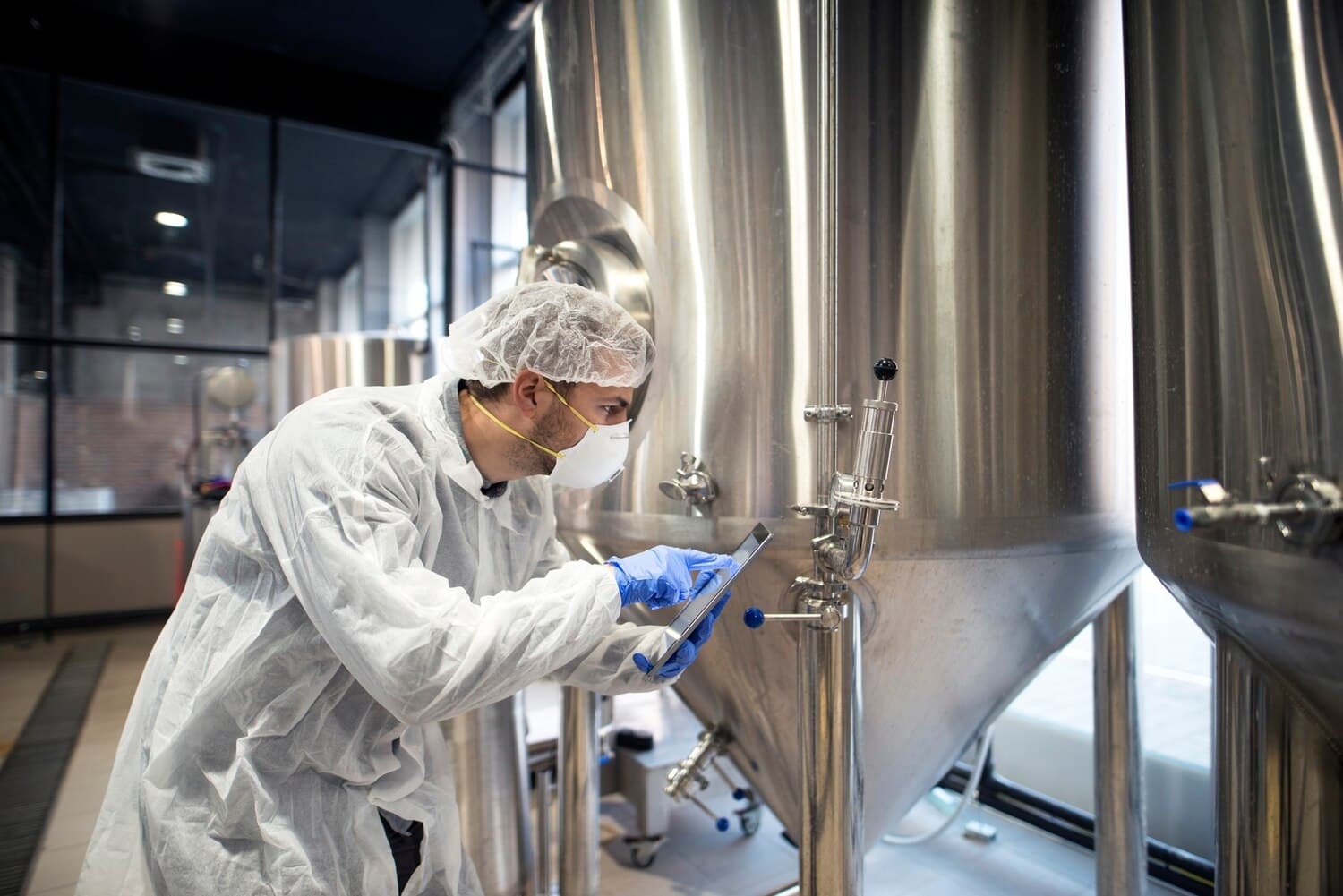

Food manufacturing involves several interconnected operations where liquids, ingredients, and mechanical processes interact continuously. During mixing, washing, extraction, fermentation, and blending, excessive foam can develop and interfere with production efficiency. In these situations, food grade antifoam solutions help manufacturers manage unwanted foam while maintaining consistent processing conditions. Effective foam management is important for facilities handling sensitive ingredients because uncontrolled foam can create operational difficulties, affect equipment capacity, and complicate cleaning procedures. Selecting an appropriate formulation supports smoother production activities and helps maintain dependable manufacturing standards.
Importance of Foam Control in Food Manufacturing
Excessive foam can create significant challenges throughout food manufacturing facilities. It may reduce the usable capacity of processing tanks, interfere with liquid movement, and increase the possibility of overflow during mixing or filling operations. Persistent foam can also complicate production monitoring and make equipment cleaning more difficult. Effective foam control helps manufacturers maintain better equipment utilization and predictable operating conditions. By managing foam at appropriate production stages, food processors can minimize interruptions, improve workflow consistency, and maintain manufacturing environments that support established hygiene and quality management requirements.
Role of Antifoam Solutions in Food Safety
Food safety remains an essential consideration when selecting processing additives for food manufacturing applications. Antifoam products must be evaluated according to their intended application, formulation characteristics, regulatory requirements, and compatibility with the manufacturing process. Suitable solutions help control unwanted foam without creating unnecessary complications for product quality. Manufacturers should consider ingredient interactions, processing temperatures, recommended dosage levels, and cleaning procedures before introducing an antifoam product. Careful evaluation helps integrate foam management into production systems while maintaining appropriate safety practices and supporting consistent manufacturing outcomes.
Selecting Suitable Formulations for Food Applications
Food processing operations differ considerably according to raw materials, equipment configurations, and manufacturing methods. A formulation that performs effectively in one application may not deliver similar results in another because foam characteristics depend on liquid composition, agitation, temperature, and processing conditions. Manufacturers therefore evaluate antifoam products according to their specific operational requirements. Important selection factors include dispersion behavior, ingredient compatibility, effectiveness, and dosage efficiency. Choosing an appropriate formulation helps maintain reliable foam control while reducing processing difficulties associated with unsuitable additives or inconsistent application methods.
Maintaining Hygiene During Processing Operations
Hygienic manufacturing practices are essential for facilities producing beverages, food ingredients, dairy products, and processed foods. Foam accumulation can complicate equipment cleaning by creating residues, obstructing surfaces, and interfering with drainage procedures. Appropriate foam management helps operators maintain cleaner processing environments and supports effective sanitation routines. However, antifoam selection must account for facility cleaning procedures and applicable food contact requirements. Compatibility with cleaning chemicals, equipment materials, and production ingredients should also be assessed. These considerations help manufacturers maintain consistent hygiene practices throughout their production operations.
Improving Efficiency During Ingredient Extraction
Ingredient extraction frequently involves washing, agitation, separation, and filtration processes that can generate considerable foam. Excessive foam may interfere with liquid handling, reduce available equipment capacity, and complicate the separation of useful components. Appropriate antifoam formulations help manage these challenges by controlling unwanted foam during different processing stages. Their effectiveness depends on the extracted material and the operating conditions involved. Manufacturers can improve process stability by evaluating foam behavior during production and selecting solutions that support efficient extraction without compromising the intended characteristics or quality of the final ingredient.
Managing Foam in Beverage Production
Beverage manufacturing involves several operations, including ingredient blending, syrup preparation, filtration, carbonation, and filling. These activities can generate foam through mechanical agitation, dissolved gases, and interactions between different ingredients. Uncontrolled foam may slow filling operations, affect container accuracy, and create difficulties in maintaining production speed. Appropriate foam control supports smoother liquid handling and more consistent equipment performance. Formulation selection should consider beverage composition, processing temperature, dosage limitations, and final product requirements. Careful testing helps manufacturers identify suitable solutions for different beverage production conditions.
Supporting Consistency in Dairy Processing
Dairy manufacturing includes pumping, mixing, pasteurization, concentration, and other operations where foam formation can influence processing conditions. Proteins and naturally occurring components may contribute to foam stability, making certain dairy applications particularly challenging. Excessive foam can reduce tank capacity, interfere with accurate liquid measurements, and complicate production activities. Suitable antifoam products help control these difficulties when their formulations meet the relevant application requirements. Manufacturers should assess compatibility with dairy ingredients, temperature conditions, processing equipment, and regulatory expectations to maintain consistent product quality and appropriate food safety practices.
Controlling Foam During Fermentation
Fermentation processes are widely used in food manufacturing to produce ingredients, cultures, beverages, and other valuable products. Microbial activity releases gases that contribute to foam formation, particularly when proteins and nutrients are present in the processing medium. Excessive foam may cause overflow, reduce effective vessel capacity, and interfere with operating conditions. Appropriate antifoam selection helps maintain manageable foam levels throughout production. Manufacturers should consider microbial compatibility, dosage requirements, oxygen transfer, and process performance when evaluating suitable formulations for fermentation applications and maintaining consistent production conditions.
Maintaining Performance During Vegetable Processing
Vegetable processing operations include washing, cutting, blanching, extraction, and cleaning activities that may generate foam through agitation and interactions with natural plant materials. Excessive foam can complicate water management, reduce equipment efficiency, and create difficulties during continuous production. Suitable foam control formulations help manufacturers maintain stable operating conditions across different processing stages. Their selection should consider vegetable varieties, processing temperatures, water characteristics, and intended applications. Understanding specialized vegetable processing requirements helps manufacturers identify operational factors that influence effective foam management and production consistency.
Protecting Product Quality During Manufacturing
Product quality depends on maintaining controlled processing conditions from raw material preparation through final packaging. Excessive foam can introduce operational inconsistencies, affect liquid distribution, and complicate measurement procedures. In certain applications, foam may also interfere with filtration, separation, and transfer activities. Effective antifoam solutions help reduce these challenges when selected according to the product composition and manufacturing requirements. Manufacturers should conduct appropriate application testing to confirm that foam control does not negatively affect taste, appearance, texture, or other important product characteristics. Consistent evaluation supports dependable manufacturing outcomes.
Evaluating Compatibility With Processing Ingredients
Ingredient compatibility is an important consideration when introducing antifoam products into food manufacturing systems. Different ingredients may respond differently to formulation components, particularly when processing conditions involve changing temperatures, acidity levels, or concentrations. An unsuitable product may create unwanted interactions or deliver inconsistent foam control. Manufacturers should therefore evaluate formulation behavior under realistic production conditions before adopting a solution. Testing should examine dispersion, effectiveness, dosage requirements, and possible effects on the final product. This systematic approach helps reduce formulation risks and supports reliable processing performance across different food applications.
Optimizing Dosage and Application Methods
Antifoam effectiveness depends not only on formulation characteristics but also on correct dosage and application methods. Excessive addition may increase formulation costs or introduce unwanted effects, while insufficient quantities may fail to control foam effectively. Application timing, mixing intensity, injection location, and operating conditions can influence overall performance. Manufacturers should determine appropriate dosage levels through controlled testing and routine process monitoring. Establishing consistent application procedures helps maintain stable foam control, supports production efficiency, and reduces unnecessary variations between manufacturing batches while improving operational predictability.
Supporting Sustainable Food Manufacturing Practices
Food manufacturers increasingly evaluate production methods according to resource efficiency, waste reduction, and responsible chemical management. Effective foam control can contribute to these objectives by helping reduce overflow, improve equipment utilization, and limit unnecessary production interruptions. Appropriate formulations may also support efficient water handling and cleaning operations when integrated into suitable process designs. However, sustainability considerations should extend beyond individual product selection. Manufacturers must evaluate formulation composition, application efficiency, regulatory compliance, and overall process impact to identify solutions that support responsible and consistent food production.
Importance of Testing and Quality Evaluation
Laboratory testing and production trials provide valuable information when evaluating antifoam performance. Small-scale experiments help manufacturers understand how a formulation behaves under controlled conditions, while plant trials reveal its effectiveness in actual production environments. Important evaluation parameters include foam reduction, dosage efficiency, ingredient compatibility, temperature tolerance, and process stability. Continuous monitoring also helps identify changes in raw materials or operating conditions that may influence performance. A structured testing approach reduces selection uncertainty and allows manufacturers to make informed decisions when implementing suitable foam control solutions.
Choosing Reliable Foam Control Solutions
Selecting a suitable foam control product requires an understanding of production requirements, formulation characteristics, and applicable food safety standards. Manufacturers should examine technical documentation, recommended application methods, regulatory information, and product consistency before making a decision. Technical support and formulation development capabilities can also help address specialized processing challenges. Different food manufacturing operations may require different approaches depending on their ingredients and equipment. A carefully selected solution can support stable production, efficient processing, and dependable product quality while helping facilities manage foam-related operational difficulties.
Conclusion
Food safety and manufacturing efficiency depend on careful control of every stage of food production, including processes affected by unwanted foam. Appropriate antifoam formulations help manufacturers maintain stable operations, protect product consistency, and support hygienic processing practices. Their effectiveness depends on suitable formulation selection, compatibility testing, correct dosage, and continuous performance evaluation. As food manufacturing requirements continue to evolve, reliable foam management remains an important part of production planning. PMC Ouvrie supports industrial foam control requirements through formulation expertise and application-focused solutions designed to address diverse manufacturing challenges.



