

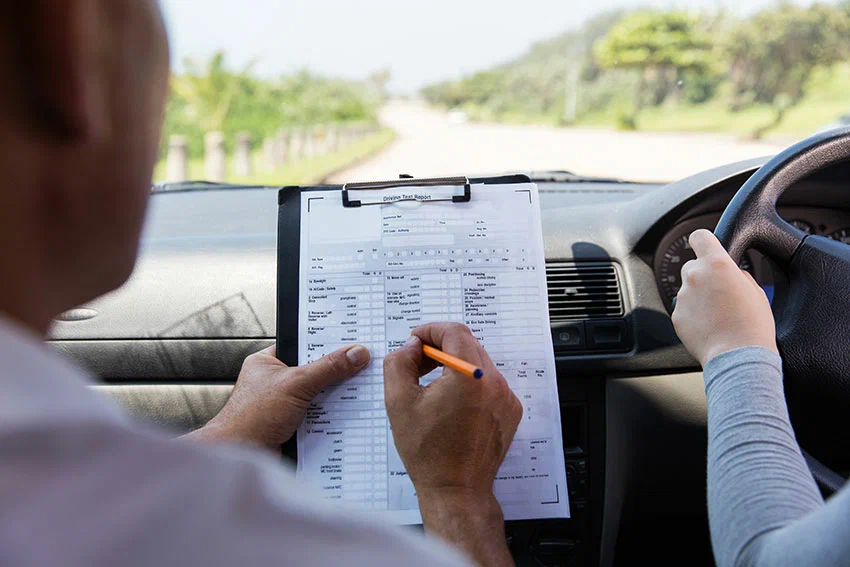

Learning to drive is an important milestone that requires knowledge, practice, and responsible decision-making. Preparing for a driving assessment can feel challenging, especially for individuals who are still becoming familiar with traffic rules and vehicle controls. A structured learning process can make this experience easier by helping learners understand what to expect and how to improve their abilities. With consistent practice and proper guidance, individuals can develop the confidence needed to handle different road situations. Good preparation also encourages safer habits that remain valuable long after the assessment.
Understanding the Driving Assessment
A driving assessment evaluates whether an individual understands essential road rules and can operate a vehicle responsibly. Driving Test Course in Fairfax VA can help learners become familiar with important driving concepts, traffic regulations, and practical skills required during an assessment. Understanding the assessment process can reduce uncertainty and help students focus on areas that need improvement. Learners should pay attention to road signs, traffic signals, vehicle control, and safe driving practices. A clear understanding of these fundamentals creates a stronger foundation for successful preparation.
Learning Essential Traffic Rules
Traffic regulations are an important part of responsible driving and should be understood before taking an assessment. Learners need to recognize road signs, understand right-of-way rules, follow speed limits, and know how to respond to traffic signals. They should also understand the importance of pedestrian crossings, lane markings, and safe turning procedures. Reviewing these rules regularly can improve awareness and reduce confusion during practical driving situations. Strong knowledge of traffic regulations helps learners make better decisions on the road.
Developing Practical Driving Skills
Practical experience allows learners to apply their knowledge in real driving situations. They should gradually become comfortable with steering, braking, accelerating, changing lanes, parking, and navigating intersections. Practicing in suitable environments with proper supervision can help reduce nervousness and improve vehicle control. Learners should focus on smooth movements, regular mirror checks, and awareness of surrounding traffic. Repeated practice helps develop coordination and makes different driving tasks feel more familiar over time.
Preparing for the Assessment With Confidence
Successful preparation requires a clear understanding of the skills and knowledge that may be evaluated. Driving Test Preparation in Fairfax VA can help learners review important topics and identify areas where additional practice may be useful. Studying traffic rules, practicing common driving maneuvers, and understanding assessment expectations can make the process more manageable. Learners should also work on staying calm and following instructions carefully. A consistent preparation routine can improve confidence and help individuals approach their assessment with a positive mindset.
Practicing Common Driving Maneuvers
Driving assessments may involve different maneuvers that demonstrate a learner's ability to control a vehicle safely. These may include parallel parking, reversing, turning, stopping at intersections, and changing lanes. Practicing each maneuver carefully can help learners understand the correct movements and improve accuracy. It is important to check mirrors, observe blind spots, and use signals when appropriate. Developing these skills through repeated practice can make driving tasks feel more natural and controlled.
Improving Observation and Awareness
Good observation is essential for safe driving and successful assessment performance. Learners should regularly check mirrors, remain aware of blind spots, and pay attention to pedestrians and other vehicles. Looking ahead and recognizing possible hazards can provide more time to respond appropriately. Maintaining awareness at intersections and during lane changes is especially important. These habits help learners demonstrate responsible driving behavior while building skills that are useful in everyday traffic situations.
Managing Nervousness Before the Test
Feeling nervous before a driving assessment is common, particularly for first-time drivers. Proper preparation can reduce uncertainty and help learners feel more comfortable with the process. Getting enough rest, arriving on time, and reviewing important driving concepts can support a calmer experience. Learners should avoid rushing and focus on completing each task carefully. If a mistake occurs, remaining composed and following the next instruction can help prevent unnecessary stress. Confidence grows through preparation and experience.
Understanding the Importance of Supervised Practice
Supervised practice gives learners an opportunity to improve their abilities while receiving useful guidance. An experienced instructor can identify mistakes, explain correct techniques, and recommend areas that need additional attention. Learners can benefit from practicing in different traffic conditions and gradually developing more advanced skills. Constructive feedback helps them understand their progress and make improvements. Consistent supervision can support safer habits and prepare individuals for the responsibilities of driving independently.
Building Safe Driving Habits
Driving assessments are not only about demonstrating skills for a test; they also encourage responsible behavior on public roads. Learners should develop habits such as following speed limits, maintaining safe distances, avoiding distractions, and respecting other road users. They should understand how weather, visibility, and traffic conditions can affect driving decisions. Practicing these principles consistently can help individuals become more thoughtful motorists. Safe habits are valuable throughout a driver's life, not just during the learning period.
Moving Forward With Confidence
Preparing for a driving assessment requires patience, knowledge, and regular practice. Understanding traffic regulations, improving vehicle control, and developing strong observation skills can help learners feel more prepared. Choosing suitable instruction and reviewing areas that need improvement can make the learning process more effective. Every practice session offers an opportunity to build confidence and correct mistakes. With a responsible approach and consistent effort, learners can work toward becoming capable drivers who value safety and awareness.



