

Fertility Planning and Reproductive Healthcare: What Couples Should Know Before Choosing Treatment

Planning a family is a personal experience, but the path toward pregnancy can sometimes involve unexpected medical challenges. Some couples discover that conception takes longer than anticipated, while others receive a diagnosis that requires specialized reproductive care. Understanding these situations can make it easier to explore available medical options and prepare for the next steps.
Fertility healthcare has developed significantly, offering different diagnostic procedures and assisted reproductive techniques. However, selecting an appropriate treatment requires an understanding of individual reproductive health rather than simply choosing the most popular procedure.
For couples experiencing conception difficulties, finding a qualified infertility specialist in Lahore can help them understand their reproductive circumstances and discuss suitable medical solutions. Likewise, learning about IVF treatment in Pakistan can provide useful information about laboratory procedures, treatment preparation, and the practical considerations involved in assisted reproduction.
1. Understanding the Connection Between Reproductive Health and Conception
Pregnancy involves several biological processes working together. The ovaries must release an egg, sperm must reach and fertilize it, and the resulting embryo must develop and implant in the uterus.
A problem at any stage may affect the possibility of natural conception.
For example, irregular ovulation can reduce the opportunities for fertilization. Problems involving the fallopian tubes may prevent sperm and eggs from meeting. Similarly, certain sperm abnormalities can make fertilization more difficult.
Other reproductive concerns include:
-
Premature ovarian insufficiency.
-
Endometriosis.
-
Uterine adhesions.
-
Certain genetic conditions.
-
Hormonal disorders.
-
Previous pelvic infections.
-
Male reproductive tract abnormalities.
Understanding the biological process helps explain why fertility evaluation should consider both partners. A complete assessment can reveal whether the problem involves egg development, sperm health, reproductive anatomy, or another medical factor.
2. When Should Couples Consider Professional Fertility Advice?
Knowing when to seek medical attention is important because waiting unnecessarily may delay the identification of treatable conditions.
Generally, couples should consider fertility evaluation after 12 months of regular, unprotected intercourse without pregnancy. Women aged 35 or older are generally advised to seek evaluation after six months.
Earlier consultation may be appropriate when there is a history of irregular periods, repeated pregnancy loss, pelvic infections, previous reproductive surgery, or known sperm-related problems.
An infertility specialist in Lahore can review these concerns and determine whether immediate testing is necessary.
Professional consultation is also useful for couples who have already undergone fertility treatment without achieving their desired outcome. Reviewing previous investigations and treatment records may help identify opportunities to adjust the medical approach.
The objective of an early consultation is not necessarily to begin IVF. It is to understand the condition and identify the most appropriate next step.
3. Medical Approaches Used to Investigate Female and Male Fertility
A fertility investigation is designed to examine different aspects of reproductive health. The exact tests depend on symptoms, medical history, and previous clinical findings.
For female patients, doctors may recommend:
Ovulation monitoring: Ultrasound examinations or hormonal testing can help determine whether ovulation occurs regularly.
Ovarian reserve assessment: AMH and antral follicle count provide information about ovarian reserve and may help predict the response to fertility medications.
Uterine cavity examination: Ultrasound or other specialized procedures may help identify polyps, fibroids, or structural abnormalities.
Tubal evaluation: Hysterosalpingography or another suitable examination may be used to assess fallopian tube patency.
Male fertility assessment is equally important.
Semen analysis is commonly performed to evaluate sperm concentration, movement, and morphology. Depending on the findings, further investigations may be recommended to identify hormonal, anatomical, or genetic factors.
A specialist interprets the results together rather than making decisions based on one laboratory value.
4. The Role of Embryology Laboratories in Assisted Reproduction
One of the most important parts of assisted reproductive technology is the embryology laboratory.
These specialized facilities provide a controlled environment where eggs, sperm, and embryos are handled during fertility procedures.
Laboratory conditions require careful attention to temperature, air quality, equipment performance, and handling techniques. Even small changes in the environment can matter during sensitive reproductive procedures.
Embryologists are responsible for several important tasks, including:
-
Preparing and assessing collected eggs.
-
Processing sperm samples.
-
Performing laboratory fertilization procedures.
-
Monitoring embryo development.
-
Recording embryo characteristics.
-
Preparing suitable embryos for transfer or freezing.
The laboratory team works closely with fertility specialists throughout treatment.
When comparing clinics, couples should ask about embryology expertise, laboratory quality-control procedures, and how embryo development is monitored. These details can provide a better understanding of the medical services available at a fertility facility.
5. IVF Treatment in Pakistan: Understanding the Different Treatment Stages
IVF is a medical procedure that allows fertilization to take place outside the body. It is commonly considered when natural conception is difficult or when other treatments have not produced the desired result.
People researching IVF treatment in Pakistan should understand that the procedure is not limited to egg collection and embryo transfer. It involves several carefully coordinated medical and laboratory stages.
Treatment assessment: The doctor reviews reproductive history, previous investigations, and any medical conditions that may affect the cycle.
Medication planning: A suitable ovarian stimulation protocol is selected according to the patient's clinical profile.
Follicular development: Ultrasound monitoring helps assess the growth of ovarian follicles during stimulation.
Egg collection: Mature eggs are retrieved through a medical procedure performed under appropriate sedation or anesthesia.
Laboratory fertilization: Eggs and sperm are combined using a suitable fertilization technique.
Embryo observation: Embryologists monitor embryo development over the following days.
Transfer preparation: The specialist determines the appropriate timing and approach for embryo transfer.
Pregnancy assessment: A blood test is performed after the recommended waiting period.
Some patients may require frozen embryo transfer rather than transferring an embryo during the same cycle. This decision depends on medical findings and treatment circumstances.
6. Understanding Treatment Choices for Different Fertility Conditions
Assisted reproduction includes several procedures designed to address different reproductive problems. Selecting the correct technique depends on the diagnosis and treatment goals.
Conventional IVF
This technique involves combining eggs and sperm in a laboratory dish and allowing fertilization to occur under controlled conditions.
ICSI
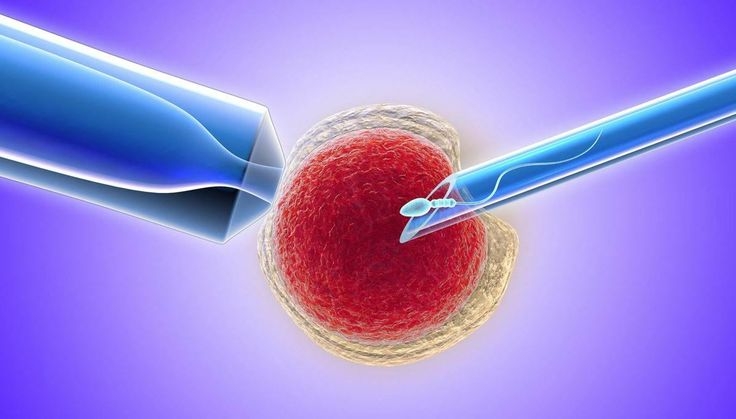
Intracytoplasmic sperm injection involves placing one sperm directly into a mature egg. It may be useful in certain cases of male-factor infertility or previous fertilization difficulties.
IUI
Intrauterine insemination involves placing specially prepared sperm inside the uterus near ovulation. It may be suitable for selected couples with specific fertility conditions.
Embryo freezing
Embryos can be preserved using specialized freezing techniques for potential future treatment.
Egg preservation
Egg freezing allows unfertilized eggs to be stored for future reproductive use. It may be considered for certain medical circumstances or personal reproductive planning.
Genetic testing
Preimplantation genetic testing may be considered in specific situations to investigate certain genetic or chromosomal conditions in embryos.
These procedures are not interchangeable. A qualified doctor should explain their clinical indications, possible benefits, limitations, and associated risks.
7. Important Questions to Ask Before Selecting a Fertility Clinic
Choosing a fertility clinic requires careful research. Patients should understand how the facility manages treatment, communicates medical information, and supports individuals throughout the process.
When evaluating an infertility specialist in Lahore, couples can prepare questions before their consultation.
Consider asking:
-
Which investigations are necessary for our medical situation?
-
What treatment options are available apart from IVF?
-
Who will supervise the different stages of treatment?
-
What laboratory facilities are available?
-
How are embryos assessed before transfer?
-
What complications should we understand before beginning?
-
What is included in the treatment estimate?
-
How does the clinic calculate and report its success rates?
Australian Concept Infertility Medical Center is one of the providers couples may research when exploring reproductive healthcare services in Pakistan.
Patients should review available medical services, discuss their concerns directly with qualified professionals, and make decisions after understanding the proposed treatment plan.
A reliable healthcare experience should include transparent information, individualized medical recommendations, and realistic discussions about possible outcomes.
8. Financial and Practical Considerations Before Starting IVF
Fertility treatment involves several medical services, and understanding the potential expenses beforehand can help couples organize their plans.
The overall expense of IVF treatment in Pakistan varies between medical facilities and individual treatment protocols.
Some of the common cost components include:
-
Initial medical consultations.
-
Fertility investigations.
-
Ultrasound monitoring.
-
Hormonal medications.
-
Egg retrieval.
-
Laboratory fertilization.
-
Embryo culture.
-
Embryo transfer.
-
Embryo freezing and storage.
-
Additional procedures when required.
For example, a patient who needs ICSI may have a different treatment estimate from someone undergoing conventional IVF.
Similarly, additional embryo freezing or genetic testing may involve separate expenses.
Before making a financial commitment, request a written quotation and clarify which services are included. Ask whether medications, laboratory procedures, follow-up consultations, and frozen embryo transfers are charged separately.
Couples should also understand that IVF may require more than one cycle, and successful pregnancy cannot be guaranteed.
9. Creating a Supportive Environment During Fertility Treatment
The practical demands of fertility treatment can affect daily routines, relationships, and emotional well-being. Preparing for these challenges can make the experience more manageable.
Couples can take several steps to support each other.
Share medical responsibilities: Both partners should participate in consultations and understand the treatment schedule.
Organize appointments: Keep medical reports, prescriptions, and investigation results in one place.
Follow instructions carefully: Medication timing and clinical appointments should follow the fertility team's recommendations.
Maintain realistic expectations: Every treatment cycle has different outcomes, and comparison with another couple's experience may create unnecessary pressure.
Seek emotional support: Professional counseling may help individuals manage anxiety and uncertainty during treatment.
Protect personal well-being: Continue healthy activities and maintain supportive relationships outside the medical process.
Fertility treatment is not only a clinical experience. It is also a personal journey that requires patience, communication, and appropriate support.
Conclusion
Understanding reproductive health is an important step for couples who experience difficulties achieving pregnancy. Accurate investigations can help identify possible causes, while professional medical guidance provides an opportunity to explore appropriate treatment options.
Consulting a qualified infertility specialist in Lahore can help couples understand their medical condition and receive recommendations based on their individual needs. Meanwhile, learning about IVF treatment in Pakistan can make the assisted reproduction process easier to understand, from initial assessment and laboratory procedures to embryo transfer and financial preparation.
Rather than choosing treatment based on general information or advertisements, couples should prioritize professional evaluation, transparent communication, and realistic expectations. An informed approach can help them navigate reproductive healthcare decisions with greater confidence.
Frequently Asked Questions (FAQs)
1. Can infertility affect couples even when both partners appear healthy?
Yes. Some reproductive conditions do not produce noticeable symptoms. Unexplained infertility is also possible when standard investigations do not identify a definite cause. Further evaluation may help determine appropriate treatment options.
2. What is the importance of semen analysis during fertility evaluation?
Semen analysis provides information about sperm concentration, movement, and morphology. These findings help doctors investigate possible male-factor infertility and determine whether additional testing is necessary.
3. Does every patient undergoing IVF require ICSI?
No. Conventional IVF is suitable for many patients. ICSI is generally considered when particular fertilization or sperm-related concerns make it appropriate.
4. Can frozen embryos be used in a future pregnancy attempt?
Yes. Suitable embryos can be frozen and stored for potential future transfer. The treating specialist can explain storage arrangements, suitability, and the process involved.
5. What should couples compare when researching IVF treatment in Pakistan?
They should compare medical qualifications, embryology laboratory facilities, available procedures, treatment transparency, patient support, and clearly explained success statistics. A consultation can help determine whether a clinic is suitable for their needs.



