

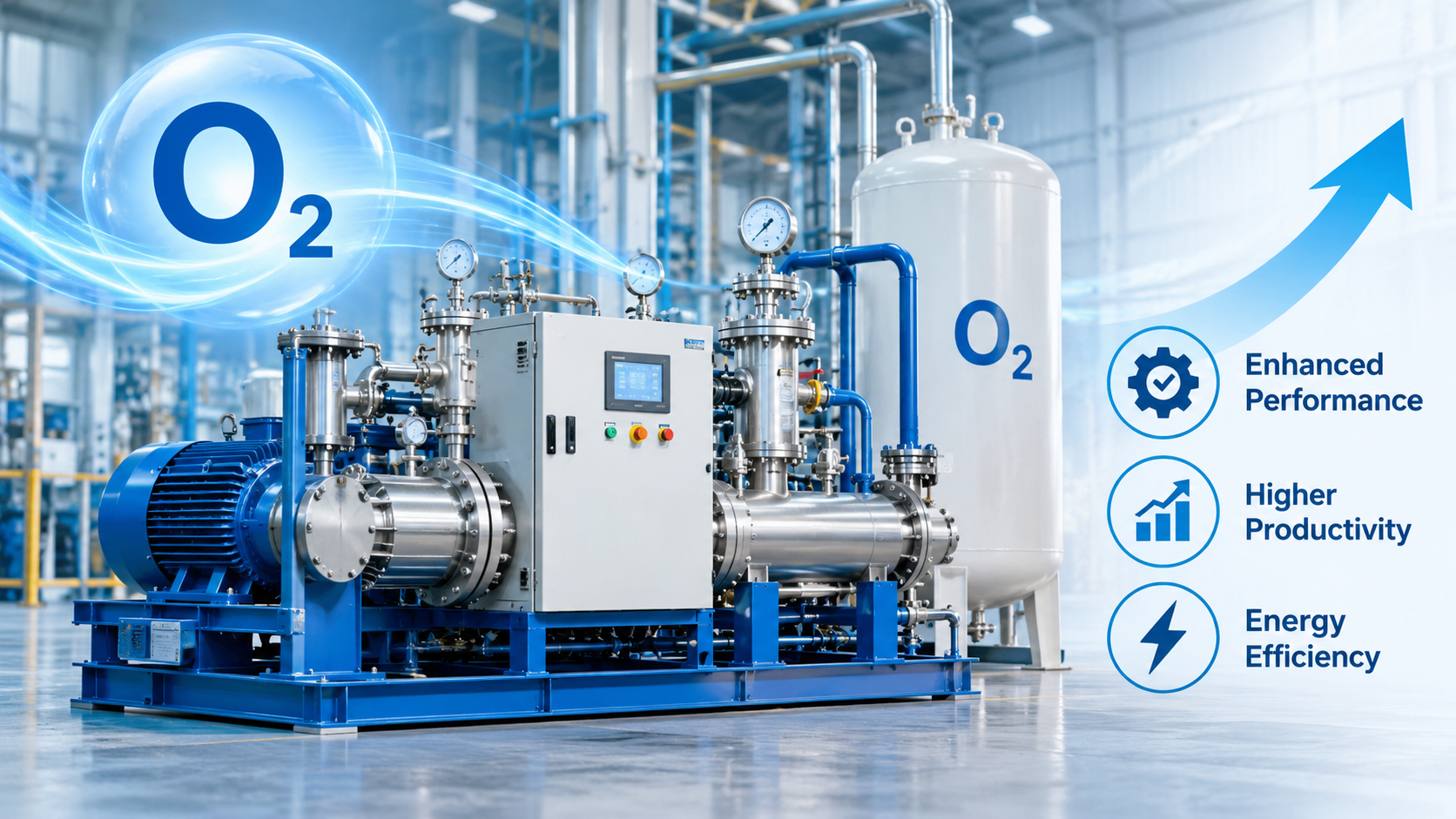
Industries and healthcare facilities depend on a reliable oxygen supply to maintain operational continuity. However, oxygen generated through conventional gas generation systems may not always have sufficient pressure for cylinder filling, storage or specialized industrial applications. This is where an Oxygen Gas Booster becomes an essential component of oxygen supply infrastructure.
These systems increase oxygen pressure to meet specific operational requirements while helping maintain gas quality. From manufacturing facilities to medical institutions, oxygen boosting technology supports efficient gas distribution, improved storage management and reliable high-pressure oxygen availability.
What Is an Oxygen Gas Booster?
An oxygen gas booster is specialized compression equipment designed to increase the pressure of oxygen received from an existing gas source. It enables facilities to utilize oxygen in applications that require higher pressure than the original supply system provides.
Unlike conventional air compressors, oxygen boosters require oxygen-compatible components and appropriate contamination controls. Their design must account for the increased fire hazards associated with pressurized oxygen.
These systems are commonly integrated with PSA oxygen generators, oxygen storage facilities and cylinder filling stations.
How Oxygen Gas Boosters Improve Operational Efficiency
1. Maintain Consistent Oxygen Pressure
Several industrial processes require oxygen at specific pressure levels. Fluctuations in gas pressure can affect equipment performance and production consistency.
Oxygen boosters help maintain the required discharge pressure within their designed operating limits. This supports stable gas distribution and allows compatible equipment to operate under suitable conditions.
2. Support Efficient Cylinder Filling
Industries and healthcare facilities often use oxygen cylinders for storage, transportation and backup supply.
A properly selected oxygen booster enables authorized cylinder filling facilities to increase oxygen pressure according to approved filling requirements. This can improve on-site oxygen availability and reduce dependence on external cylinder deliveries.
3. Optimize Oxygen Generation Systems
Oxygen generation plants produce gas at a pressure determined by their system configuration. Certain downstream applications may require additional compression.
Businesses can integrate boosting equipment into compatible oxygen generation infrastructure to meet different pressure requirements without unnecessarily replacing the existing generation system.
4. Improve Gas Supply Management
Effective oxygen management involves coordinating generation capacity, compression, storage and consumption.
A suitably engineered booster allows facilities to manage high-pressure oxygen requirements more effectively. It also supports backup storage planning and helps businesses prepare for changes in operational demand.
Major Industrial Applications of Oxygen Gas Boosters
Experienced Oxygen Gas Booster Manufacturers develop compression solutions for different industrial and healthcare environments.
|
Industry |
Application |
|---|---|
|
Healthcare |
Medical oxygen storage and authorized cylinder filling |
|
Steel manufacturing |
Oxygen supply for compatible production processes |
|
Metal fabrication |
High-pressure oxygen for suitable cutting systems |
|
Chemical processing |
Oxygen supply for controlled industrial processes |
|
Glass manufacturing |
Oxygen-supported combustion applications |
|
Research laboratories |
Specialized oxygen supply requirements |
|
Gas filling stations |
Commercial oxygen cylinder filling |
The appropriate booster configuration depends on oxygen consumption, operating pressure, purity requirements and application-specific safety conditions.
Why Oil-Free Oxygen Compression Is Important
Oxygen supports combustion, making contamination control particularly important in high-pressure oxygen systems. Conventional lubricants and incompatible materials can introduce significant safety hazards.
Oil-free oxygen boosters are designed to prevent lubricant contamination within the oxygen compression path. Oxygen-compatible seals, appropriate materials and protective monitoring systems also contribute to safe equipment operation.
However, an oil-free design alone does not eliminate every oxygen-related hazard. Professional installation, oxygen cleanliness, regular inspections and compliance with applicable safety requirements remain essential.
Important Factors to Consider When Selecting an Oxygen Gas Booster
Choosing suitable boosting equipment requires careful technical evaluation rather than focusing exclusively on purchase price.
Operating Pressure
Evaluate the available inlet pressure and required discharge pressure. The equipment must be compatible with both conditions.
Flow Capacity
Consider average oxygen consumption and peak demand to determine the appropriate booster capacity.
Energy Consumption
Review power requirements and expected operating hours to estimate long-term electricity expenses.
Safety Features
Check the availability of pressure monitoring, temperature protection, automatic shutdown mechanisms and pressure relief devices.
Maintenance Requirements
Evaluate servicing intervals, replacement component availability and technical assistance.
Established Oxygen Gas Booster Suppliers can assist businesses in evaluating these requirements and identifying suitable equipment configurations.
How Oxygen Boosters Support Long-Term Cost Management
An appropriately sized oxygen boosting system can help businesses manage operational expenses through better utilization of existing oxygen generation infrastructure.
Potential economic benefits include:
-
Reduced dependence on externally supplied oxygen cylinders.
-
Improved utilization of on-site oxygen generation capacity.
-
Better management of oxygen storage requirements.
-
Reduced operational interruptions caused by pressure limitations.
-
More effective maintenance and equipment planning.
Actual savings depend on electricity costs, operating hours, oxygen demand, equipment efficiency and maintenance expenses. Businesses should evaluate the total cost of ownership before investing.
Why Choose Airox Technologies for Oxygen Boosting Solutions?
Airox Technologies Limited offers oxygen compression solutions for medical and industrial gas supply applications. The company provides customized equipment configurations alongside installation, commissioning and after-sales assistance.
Businesses evaluating Oxygen Gas Booster Manufacturers in India can consider Airox Technologies for its gas generation expertise and project-specific engineering support.
By understanding individual application requirements, the company helps customers identify suitable oxygen boosting solutions for existing and newly developed oxygen supply infrastructure.
Conclusion
Oxygen gas boosters play an important role in managing industrial and medical oxygen supply requirements. They support pressure enhancement, cylinder filling, gas storage and effective utilization of oxygen generation systems.
Selecting equipment based on operating conditions, oxygen compatibility, safety features and maintenance requirements can help businesses achieve dependable performance.
Contact Airox Technologies Limited to discuss your oxygen compression requirements and explore suitable solutions for your facility.
Frequently Asked Questions (FAQs)
1. What is the main purpose of an oxygen gas booster?
It increases the pressure of oxygen gas to meet specific storage, cylinder filling and industrial application requirements.
2. Does an oxygen gas booster increase oxygen purity?
No. An oxygen booster increases gas pressure rather than purity. Oxygen quality depends primarily on the upstream generation or purification system.
3. Can oxygen boosters be integrated with PSA oxygen generators?
Yes, compatible oxygen boosters can be integrated with PSA oxygen generators after evaluating inlet pressure, flow capacity, oxygen quality and safety requirements.
4. Which industries commonly use oxygen gas boosters?
Healthcare, steel manufacturing, metal fabrication, chemical processing, glass manufacturing and commercial gas filling facilities commonly use oxygen boosting systems.
5. What factors affect oxygen gas booster prices?
Equipment capacity, operating pressure, compression technology, automation features, safety components and customization requirements influence the overall purchase price.



