

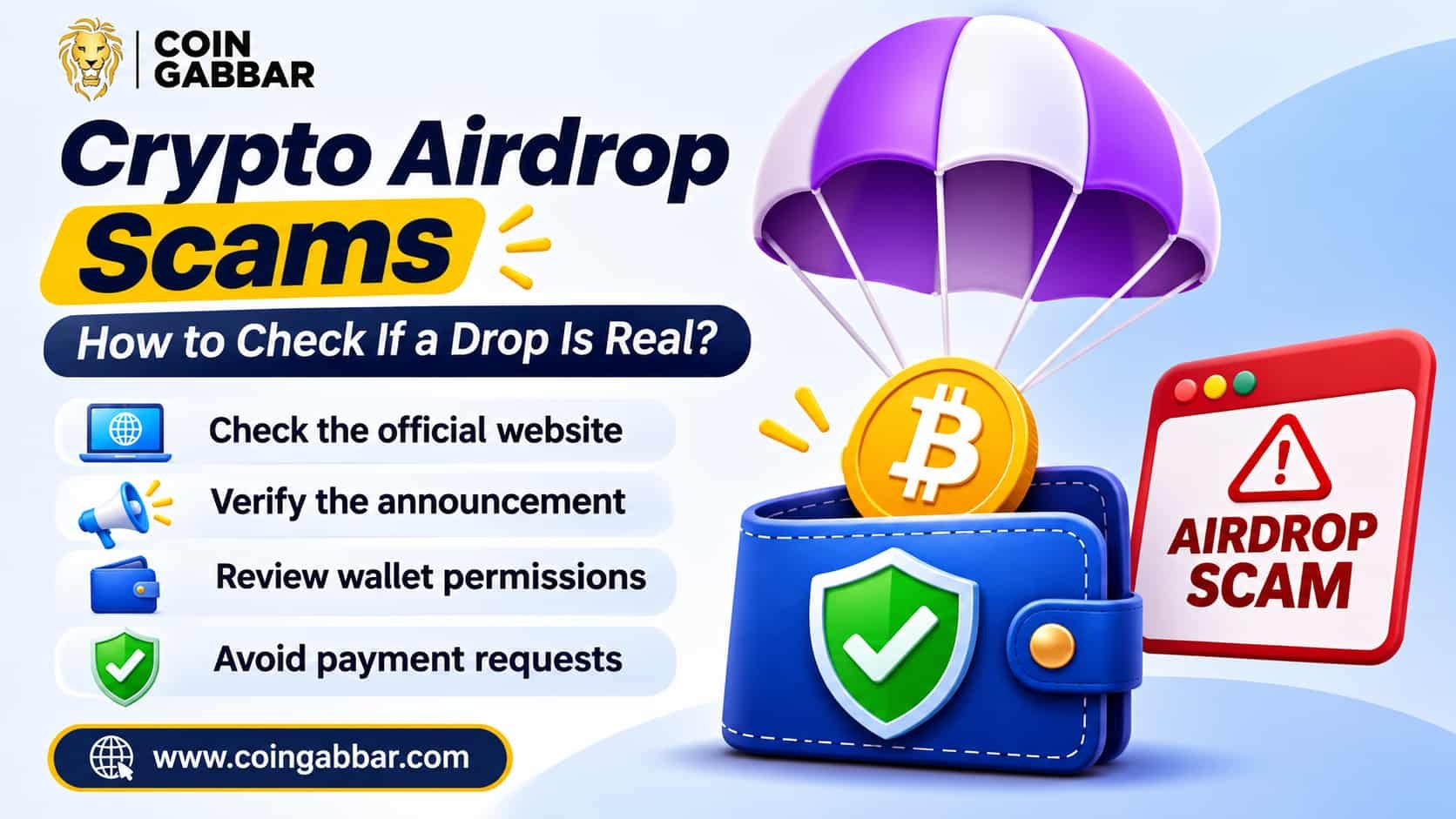
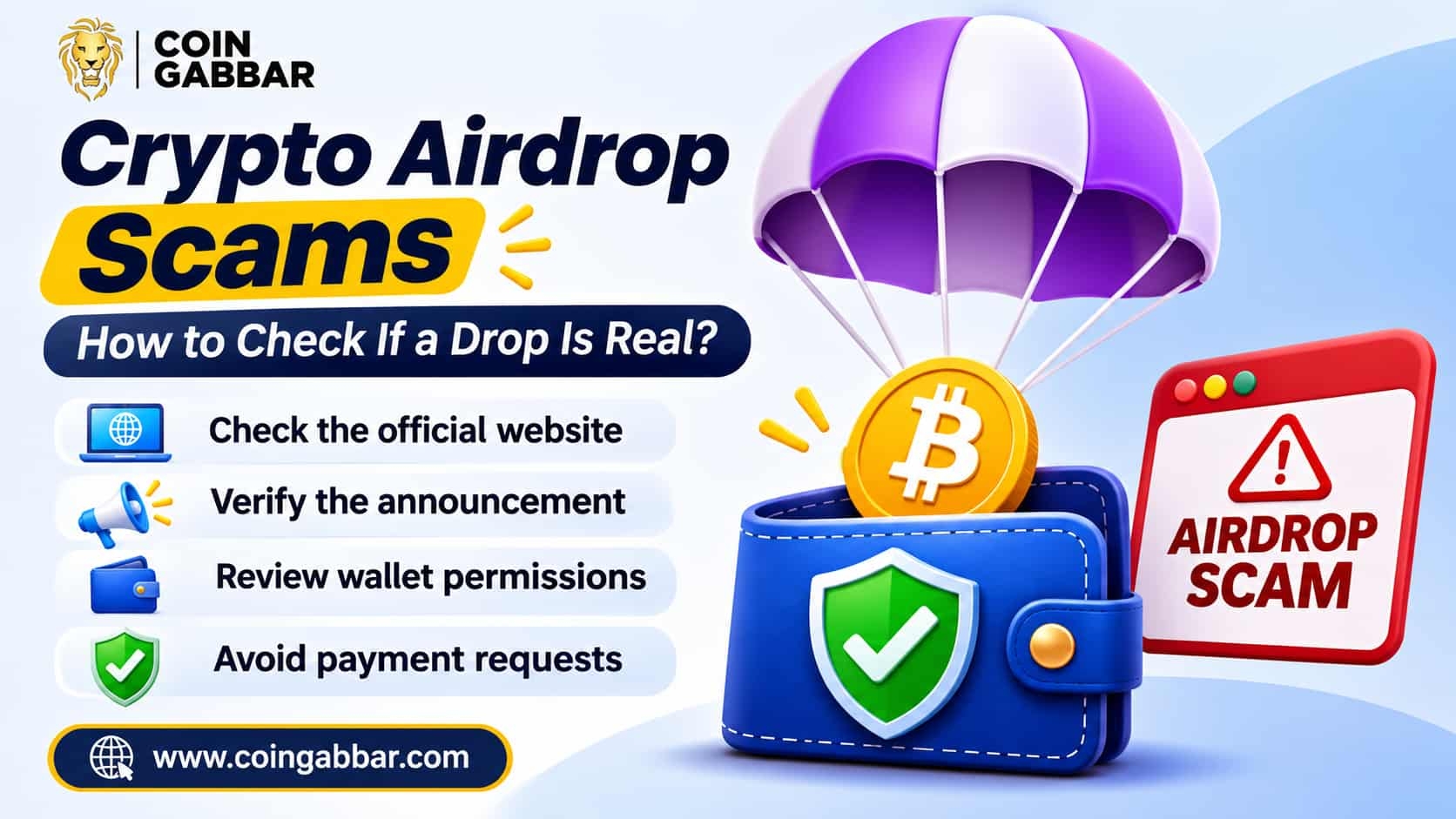
A new token appears in your wallet. A message says you can claim more if you visit a website before midnight. The logo looks familiar, and the offer sounds simple. Should you trust it? Not yet.
Real projects sometimes give tokens to people who use their apps or join early programs. Scammers copy that idea to steal wallet access or private information. Crypto airdrop scams can be hard to spot because fake pages often look polished.
The good news is that you do not need to be a technical expert to check an offer. A few careful steps can tell you when to stop.
How Crypto Airdrop Scams Copy Real Projects
Start with the project, not the message. A social post, search ad, or group chat can send you to a copied website. Even a familiar logo does not prove that the sender is real.
Find the project's website through a source you already trust. Check whether the same campaign appears on its official news page or verified account. Compare the exact domain name, the dates, and the stated rules. If the sources disagree, do not connect your wallet.
Look for Rules You Can Actually Check
A useful campaign announcement should explain who can join, which network it uses, when tasks end, and how rewards may be sent. Some use wallet snapshots, which record wallet activity at a set time; others count app use.
No clear rules? That is a reason to slow down, not proof of a scam. A vague promise of a large reward is not proof of a real offer either.
Read the Wallet Request Before You Sign
A claim page may ask you to connect a wallet. Connecting can share your public wallet address with the site. The more serious step comes when the site asks you to sign a message or approve a transaction.
A token approval can give a smart contract permission to spend certain tokens. If that permission is too broad or goes to a harmful contract, your funds may be at risk. This is one way crypto airdrop scams lead to losses.
Before signing, check the site, the network, the type of request, and any spending limit. If the wallet shows a warning or the request is unclear, stop. Never type your recovery phrase or private key into a claim form.
Think Beyond the Word "Free"
Free Crypto Airdrops may still cost time or network fees. A gas fee pays for a blockchain action; it is not the same as sending money to a stranger to unlock a prize.
Picture two offers. One names its official site, explains the eligibility rules, and lists a claim window. The other appears in a direct message and asks you to transfer crypto first. The second has several warning signs, even if its page looks more impressive.
Also check whether a campaign needs identity documents. Find out who collects them and why. Do not send personal records to an unknown chat account.
Compare Campaigns Without Trusting Every Label
An airdrop directory can help you find projects, but it cannot confirm that each reward will arrive. Active Crypto Airdrops may have tasks open now. Latest Crypto Airdrops might simply be newly listed or updated. A campaign marked live could still change its rules.
For general crypto news and Web3 information, CoinGabbar offers one research starting point. But no directory can promise that a project will pay rewards or that every listed claim is safe.
Readers checking Crypto Airdrops Today should look at the update date and then confirm the status with the project itself. The phrase Live Crypto Airdrops is useful for discovery, not a safety certificate. This matters because crypto airdrop scams can spread through old listings and copied announcement pages.
To compare available tasks and dates, browse crypto airdrop listings, then check the latest details with official project sources. A directory entry, a large follower count, or a token price shown on a page does not prove a claim is safe.
What to Do If You Clicked a Suspicious Link
First, work out what happened. Opening a page is different from entering a recovery phrase or approving a token transfer.
If you only opened the page, close it. If you connected your wallet or signed something, review recent activity and token approvals with tools you trust. Revoke unwanted approvals where possible; this does not reverse transfers that have already happened.
If you gave away your recovery phrase, assume that wallet is no longer safe. Set up a new wallet from a trusted source and move any remaining assets as soon as you safely can. Ignore strangers offering recovery services for an upfront payment.
Conclusion
The safest way to judge an airdrop is to verify the source, read the rules, and understand every wallet request. Crypto airdrop scams often rely on a rushed decision. Give yourself time to check the facts, and remember that a reward is never worth giving away control of your wallet.
Financial Disclaimer: This article is for education only, not financial advice. Tokens may have no market value, and interacting with crypto contracts can cause financial loss.
Frequently Asked Questions
These answers cover common concerns about claims, tokens, and wallet access.
How can I tell whether a crypto airdrop is legitimate?
Check the official project website and look for a matching announcement with dates, eligibility rules, and claim steps. Confirm that the link is correct before using your wallet. No single sign proves safety, so treat unclear requests and urgent messages as reasons to wait.
Are free crypto airdrops safe to claim?
Not all free airdrops are safe. A real campaign may charge a normal network fee, but a fake claim can ask for risky wallet permissions or private details. Read each request, keep your recovery phrase secret, and avoid claims you cannot verify.
Can a token sent to my wallet be a scam?
Yes. A stranger can send an unwanted token to your public address. The danger often comes when you follow its claim link or try to swap it through a suspicious site. Do not interact with unknown tokens just because they appeared in your wallet.
What is the difference between active and live crypto airdrops?
Both terms often describe campaigns accepting tasks or claims, but websites may use them differently. A status label can be out of date. Check the project's own announcement for the current window, accepted tasks, supported networks, and any limits on who may join.
Do I need to pay to receive an airdrop?
Some on-chain claims require a gas fee to process a transaction. That is different from a person asking you to send coins to a private address first. Never pay an unknown party to unlock a promised reward, and check all costs before taking part.
What should I do after approving a suspicious contract?
Stop using the site and check the wallet's token approvals and recent transactions through trusted tools. Revoke suspicious permissions where possible. If funds were transferred, a revocation cannot bring them back. Consider moving remaining assets to a fresh wallet if you suspect wider access.



