

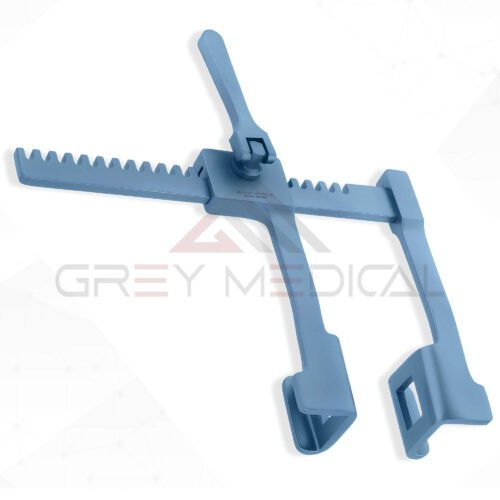

A rib retractor is an essential surgical instrument designed to help surgeons maintain access to the chest cavity during thoracic procedures. It allows the surgical team to gently separate and hold the ribs apart, creating a clear working space while protecting surrounding tissues. Because chest surgery requires careful handling of delicate anatomical structures, reliable instruments play an important role in supporting visibility, control, and precision. Moreover, the quality and design of rib retractor can influence the efficiency of the operating room and the overall surgical workflow.

Understanding the Purpose of a Rib Retractor
A rib retractor helps provide access to the thoracic cavity by spreading the ribs and maintaining the opening during surgery. Surgeons may use it during procedures involving the lungs, heart, or other structures within the chest. Unlike instruments used for general tissue manipulation, this retractor is designed to accommodate the anatomy of the chest and provide controlled separation.
Furthermore, its mechanical design allows the surgical team to maintain a stable opening without continuously holding the instrument by hand. This feature helps surgeons focus on the procedure while keeping the surgical field accessible. Depending on the design, the instrument may include handles, blades, and a mechanism that allows controlled adjustment.
Design and Features of a Rib Retractor
Manufacturers design thoracic retractors with strength, stability, and usability in mind. Typically, the instrument includes two opposing blades that engage the ribs and a spreading mechanism that gradually increases the opening. In addition, its frame must withstand pressure while maintaining reliable performance throughout the procedure.
The blade design matters because it helps distribute force across the contact area. Consequently, surgeons can adjust the opening according to the surgical requirements. Smooth mechanical movement also supports controlled handling, while a sturdy construction helps maintain stability during use.
High-quality surgical instruments often feature stainless steel construction because it offers durability, corrosion resistance, and compatibility with repeated sterilization processes. Therefore, hospitals and surgical facilities value instruments that maintain their structural integrity and finish over time.
Importance in Thoracic Surgery
Thoracic procedures require a clear view of the surgical area and careful access to internal structures. A rib retractor supports this access by maintaining the space between the ribs after the surgical team opens the chest. As a result, surgeons can work within the operating field without unnecessary obstruction from surrounding tissues.
In addition, a dependable retraction system helps maintain consistent positioning throughout the procedure. This stability can support an organized surgical workflow and allow the team to focus on the planned operative steps. However, surgical professionals must always select and handle retractors according to the procedure, patient anatomy, and established clinical protocols.
Choosing Quality Surgical Instruments
Selecting the right surgical instrument involves evaluating its material, construction, mechanical function, and overall quality. For this reason, healthcare facilities often consider instrument durability, ease of cleaning, ergonomic design, and dependable performance when purchasing thoracic surgical equipment.
Moreover, precision manufacturing helps ensure that moving parts operate smoothly and that the instrument remains dependable under demanding conditions. Proper inspection, cleaning, maintenance, and sterilization also help extend the instrument's service life and support safe instrument management practices.
Grey Medical® and Surgical Instrument Excellence
Grey Medical® is a privately owned medical technology company dedicated to innovation and excellence in the craft of surgical instruments. The company emphasizes precision, quality craftsmanship, and attention to detail across its surgical instrument offerings. Additionally, its commitment to reliable manufacturing reflects the importance of providing healthcare professionals with instruments designed for demanding medical environments.
By focusing on quality materials and careful engineering, Grey Medical® supports the needs of medical professionals seeking dependable surgical equipment. Thoracic instruments, including the doyen rib raspatory instrument represent the importance of thoughtful design in surgical practice, where stability, functionality, and precision remain essential.
Conclusion
A rib retractor plays an important role in thoracic surgery by helping maintain chest access and providing a stable surgical opening. Its sturdy construction, adjustable mechanism, and carefully designed blades support controlled exposure during complex procedures. Ultimately, choosing well-crafted surgical instruments and maintaining them properly helps healthcare facilities promote consistent instrument performance and efficient surgical workflows. Through a focus on innovation and craftsmanship, Grey Medical® continues to highlight the value of precision in modern surgical instrumentation.



