


Waiting is part of everyday life. Children may need to wait at a doctor’s appointment, in a restaurant, at the airport, or while travelling with family. For adults, these moments may seem routine, but children can find it difficult to stay occupied when there is little to do.
A few simple activities can make waiting time feel more enjoyable. They do not need to involve screens, expensive toys, or complicated instructions. Small games, conversation, drawing, and hands-on toys can give children something interesting to focus on while they wait.
The best activity depends on the child’s age, interests, and surroundings. A quiet game may work well in a waiting room, while a more interactive activity may be suitable during a family journey.
Play a Simple Observation Game
Observation games are easy to start because they use things that are already around you. Children can look for objects of a particular colour, notice different shapes, or count items they can see.
For example, ask your child to find three blue objects or spot something round. You can take turns choosing what to look for, making the activity feel like a shared game rather than a task.
For older children, make the game more challenging by asking them to find something that begins with a certain letter or identify objects that belong to a particular category. These games can be adapted to different ages and usually require no extra materials.
Try a Guessing Game
Guessing games can make a short wait more interesting. One person thinks of an animal, object, or character, while the other asks questions to work out what it is.
You can also play a simple “What am I?” game by describing an object without naming it. For younger children, use familiar items and give clear clues. Older children may enjoy making the clues more difficult.
Another option is to describe something you can see nearby and let the child guess what it is. Keep the game light and flexible so children can join in without feeling pressured to get every answer right.
Bring a Small Drawing Activity
A small notebook and a few crayons or pencils can be useful for waiting time. Children can draw pictures, make patterns, create characters, or invent a story through illustrations.
You do not need to give them a specific task. Some children enjoy drawing freely, while others prefer simple prompts such as drawing their favourite animal or designing an imaginary vehicle.
For travel, choose materials that are easy to store and use. A small notebook and a limited number of pencils can be more practical than a large art set. In places where drawing materials are unsuitable, children can create pictures using words or describe what they would draw instead.
Use Small Toys for Hands-On Play
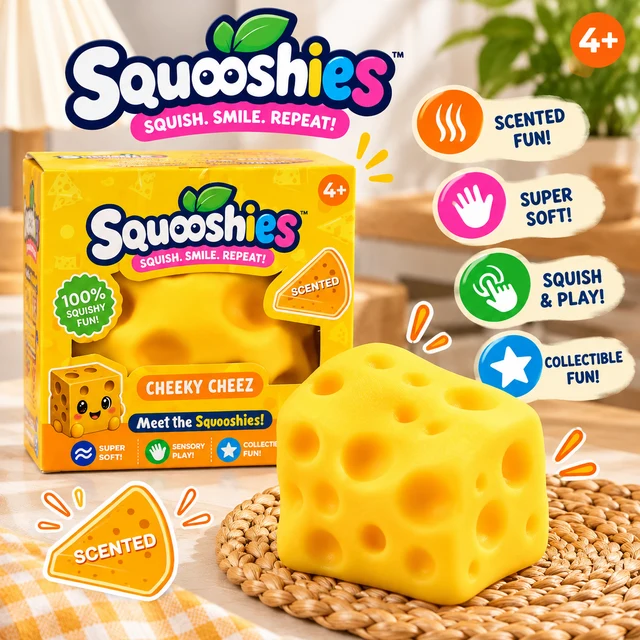
A compact toy can provide a simple activity during a wait. Small toys that are easy to hold and store may fit into a pocket, handbag, or travel pouch.
Some children enjoy handling a soft or textured toy, while others prefer a small figure they can use in pretend play. A toy might become a character in a story, an item in an imaginary shop, or part of a simple game.
For families looking for hands-on toy options, Gifzy’s https://gifzy.co.uk/collections/squeeze-squishy-toys collection offers squishy toys that may be considered for everyday play. Always check age recommendations and safety information, especially when choosing toys for younger children.
Play “I Spy”
“I Spy” is a familiar game that can be played almost anywhere. One person chooses something they can see and gives a clue, such as its colour or first letter. The other person tries to guess the object.
For younger children, start with clear clues and objects nearby. Older children may enjoy using more difficult clues or choosing objects that are not immediately obvious.
The game can be adapted for different settings. During a journey, children can look for objects outside the window, while in a waiting room they can focus on items around them. Be mindful of the surroundings and avoid encouraging children to move around or disturb others.
Make Up a Story Together
Storytelling can turn waiting time into a creative activity. One person begins a story with a sentence, and the next person adds another detail. Continue taking turns until the story reaches an ending.
For example, the story might begin with a small animal that discovers a mysterious box. Your child can decide what happens next, where the character goes, or who it meets along the way.
You can also create stories based on objects nearby. A bag might belong to a travelling explorer, or a toy could be the main character in an adventure. Let children lead the story and enjoy their ideas, even if the plot becomes unexpected.
Try a Quiet Sorting or Matching Game
If you have a few small, safe items with you, children can sort them by colour, shape, or size. They might group similar objects together or arrange them in a pattern.
This activity can be adapted to suit the child’s age. Younger children may enjoy matching two similar items, while older children can create more complicated patterns or invent their own sorting rules.
Only use items that are safe for the child’s age and easy to keep track of. Avoid small pieces with younger children, and make sure the activity is suitable for the place where you are waiting.
Listen and Notice Sounds
Listening games can be useful when children need a quiet activity. Ask them to notice sounds around them, such as a clock, footsteps, birds, or distant traffic.
You can take turns describing what you hear or guessing where a sound might be coming from. In a busy environment, keep the activity simple and avoid encouraging children to make extra noise.
For a calmer option, children can close their eyes briefly and name a few sounds they notice, provided they are comfortable doing so and the setting is safe.
Pack a Small Waiting-Time Kit
A little preparation can make unexpected waits easier. A small pouch or bag can hold a few items that are simple to use and easy to put away.
Depending on the child’s age, the kit might include a small notebook, pencils, a picture book, a compact toy, or a simple activity card. It is usually better to include a few familiar items than to pack too many choices.
Keep the kit organised and check it from time to time. Replacing a used activity or introducing one new item occasionally can help maintain interest without requiring a large collection.
For more toy and gift ideas, you can browse https://gifzy.co.uk/ and consider items that suit your child’s interests and everyday routines.
Match the Activity to the Setting
Not every activity works in every place. A restaurant may be suitable for drawing or a quiet guessing game, while an airport journey may allow more time for storytelling or observation games.
In places such as clinics, libraries, or public transport, quiet activities are often the most considerate choice. During travel, make sure activities do not distract the driver or interfere with safety instructions.
It can also help to explain what is happening in simple terms. Let children know that they may need to wait for a little while and offer an activity they can choose themselves. Having a choice can make the experience feel more manageable.
Final Thoughts
Waiting time does not have to be completely entertaining, but a few simple activities can help children stay interested and make the experience more pleasant. Observation games, guessing games, drawing, storytelling, and small hands-on toys are easy options for many everyday situations.
Choose activities that match your child’s age, interests, and surroundings. Keep materials simple, prioritise safety, and allow children to switch activities when they lose interest. With a little preparation, ordinary waiting moments can become opportunities for conversation, creativity, and shared play.



