

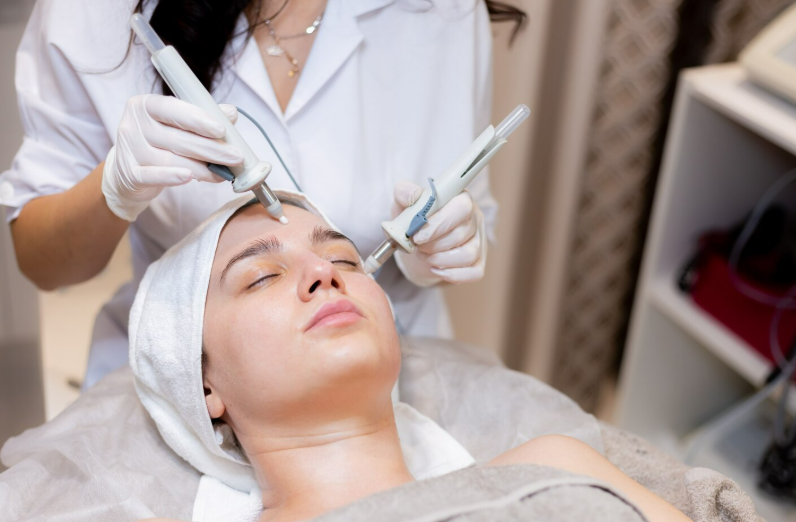
Personalised Aesthetic Treatments in Singapore and Why Individual Skin Assessment Matters
People rarely have exactly the same reasons for exploring aesthetic care. One person may be concerned about pigmentation, another may want to understand changes in facial firmness, while someone else may simply need clearer information about maintaining their skin. Even when two individuals describe similar concerns, their medical history, skin characteristics and expectations may be very different. This is why personalised assessment is an important part of choosing an aesthetic clinic Singapore provider and understanding which treatment options may be relevant.
Personalised aesthetic care is not about recommending the largest number of procedures or creating a complicated treatment schedule. It involves understanding the individual's concerns, reviewing relevant medical information and discussing appropriate options based on the assessment. Some people may be suitable for a particular medical aesthetic procedure, while others may benefit from skincare guidance or further medical evaluation. The most useful starting point is a clear understanding of the concern rather than an assumption that treatment is always necessary.
What Does Personalised Aesthetic Care Mean?
Personalised aesthetic care refers to an approach in which treatment discussions are based on individual characteristics rather than a standard plan applied to everyone. Skin type, facial anatomy, age, medical history, previous procedures and personal expectations may all influence the assessment.
This approach recognises that aesthetic concerns can have different causes even when they appear similar. For example, uneven skin tone may be associated with sun exposure, inflammation or another pigmentation condition. Facial changes may involve skin elasticity, volume or underlying structure. A treatment plan should reflect these differences.
Why One Treatment Does Not Suit Everyone
A procedure may be relevant to one person but unsuitable for another. Differences in skin sensitivity, medical conditions, medication use and previous treatments can influence safety and expected outcomes.
For this reason, treatment recommendations should not be based solely on popularity or social media trends. A practitioner should explain why a procedure is being considered and whether its potential benefits justify the risks for the individual.
Understanding Personal Expectations
Aesthetic expectations are highly individual. Some people prefer minimal intervention, while others want to understand a broader range of options before deciding what is appropriate. It is important to communicate these preferences clearly during a consultation.
The practitioner should also explain the limitations of medical aesthetic procedures. Not every concern can be addressed through a non-surgical approach, and some changes are part of normal ageing or natural facial characteristics. Realistic expectations help support better-informed decisions.
The Importance of a Proper Aesthetic Consultation
An aesthetic consultation Singapore patients attend should involve a meaningful discussion of their concerns and medical circumstances. It should not simply be a selection process involving treatment names and package descriptions.
The practitioner may review the skin or relevant treatment area, ask about previous procedures and assess whether there are medical factors that could affect suitability. The consultation should also provide an opportunity for the patient to ask questions and understand the available options.
Reviewing Medical History and Existing Conditions
Medical history can influence whether a procedure is appropriate. Relevant information may include current medication, allergies, previous reactions, existing skin conditions and any history of aesthetic procedures.
Some treatments may need to be avoided or postponed in certain circumstances. This is why providing accurate information is important. Patients should not leave out relevant medical details simply because they believe these are unrelated to appearance.
Assessing Skin Type and Individual Characteristics
Skin assessment may consider oil production, dryness, sensitivity, pigmentation patterns and texture. The practitioner may also consider whether a concern is associated with active inflammation or a previous skin condition.
This information can help distinguish between concerns that may respond to skincare and those for which a medical aesthetic procedure may be discussed. It also helps identify situations where further medical assessment may be necessary.
Understanding the Main Aesthetic Treatment Categories
An aesthetic clinic may provide different treatment categories, each with a specific purpose. Understanding the general differences helps patients ask more relevant questions during consultation.
Face Care and Skin Treatments
Face care may include different approaches for selected skin appearance concerns. Depending on the service, this may involve professional skincare techniques, facial procedures or other medical aesthetic options.
Treatment suitability depends on the individual's skin condition and the nature of the concern. A procedure should not be recommended simply because someone wants a more extensive routine.
Laser and Energy-Based Technologies
Laser and other energy-based technologies may be used for selected pigmentation, texture and skin firmness concerns. Different systems use different mechanisms and treatment settings, so the suitability of one technology cannot be assumed from the general category alone.
Patients should understand which device is being discussed, the intended treatment area and possible side effects. Recovery and aftercare instructions should also be explained before a procedure is considered.
Eye Care
The skin around the eyes is delicate, and concerns involving fine lines, dark circles or puffiness can have different causes. Some may relate to pigmentation, while others involve facial anatomy, fluid retention or natural ageing.
A proper assessment is important because not every eye-area concern is suitable for aesthetic procedures. New or unusual symptoms should receive appropriate medical attention rather than being treated as a cosmetic issue.
Injectable Procedures
Injectable treatments may be considered for selected concerns involving facial volume or expression-related lines. Their purpose and mechanism depend on the specific product being used.
A medical practitioner should explain the product, intended treatment area, potential complications and relevant aftercare. Patients should also understand that injectables are not necessary for everyone and may be unsuitable in certain circumstances.
Body Care and Multimodal Treatments
Some clinics provide body-related aesthetic services and combinations of different treatment approaches. These may address selected concerns involving body appearance or skin condition.
Combining procedures should never be assumed to be automatically more effective or appropriate. Each treatment needs a clear purpose, and the overall plan should take account of safety, recovery and individual suitability.
How a Personalised Treatment Plan Is Developed
A treatment plan should be based on the information gathered during consultation. The practitioner first identifies the concern, considers relevant medical factors and then discusses whether any available procedure is suitable.
Establishing Treatment Priorities
Not every concern needs to be addressed at the same time. A person with active acne and residual pigmentation, for example, may need to consider acne management before discussing procedures for remaining marks.
Similarly, someone concerned about facial appearance may need an assessment to distinguish between skin quality and structural changes. Establishing priorities helps avoid unnecessary procedures and makes the purpose of each recommendation clearer.
Understanding Treatment Sequence
Some aesthetic procedures may need to be considered separately rather than performed together. The order and timing can depend on the technology, products, treatment area and recovery requirements.
Ask whether procedures can be combined, whether a waiting period is needed and how recovery will be managed. The practitioner should explain the reasons behind the proposed sequence instead of presenting a combination as a standard requirement.
Reviewing Progress and Changing Needs
Skin condition and personal preferences can change over time. A plan that was relevant previously may need to be reviewed if the skin becomes more sensitive, a new concern develops or medical circumstances change.
Follow-up discussions can help determine whether the original approach remains appropriate. Patients should also be able to discuss unexpected reactions and ask for clarification about aftercare.
Questions to Ask Before Agreeing to a Procedure
Before proceeding, ask what specific concern the treatment is designed to address and why it may be suitable. Find out about the practitioner performing the procedure, the equipment or product involved and the available evidence for its intended use.
It is also important to understand possible side effects, downtime, aftercare and total costs. Ask whether alternative approaches are available and whether doing nothing is a reasonable option. A good consultation should give you enough information to make a decision without unnecessary pressure.
Why Transparent Medical Information Matters
Clear information supports informed consent and helps patients understand the decisions involved in aesthetic care. Medical terminology should be explained in language that is easy to understand, and any claims about treatment should be factual and capable of substantiation.
Be cautious about promises of guaranteed results, statements suggesting that a treatment has no risks or recommendations based only on promotional packages. The appropriate treatment depends on individual circumstances, and no responsible assessment can guarantee an identical outcome for everyone.
Personalised Aesthetic Care Information at Astique Clinic
Astique Clinic publishes information about a range of medical aesthetic service categories, including face care, eye care, laser treatments, injectables, body care and multimodal treatments. These categories cover different aspects of aesthetic care and provide an overview of the services described on its official website.
For individuals researching personalised aesthetic treatments Singapore options, reviewing a clinic's service information is a useful way to understand its published scope. Astique Clinic is located at Orchard Building, 1 Grange Road, #12-02, Singapore 239693. Its published information also describes an approach centred on enhancing natural features rather than promoting a single appearance standard.
The suitability of any procedure must be established through individual medical assessment. Patients should review the available information, understand the relevant risks and discuss their circumstances with an appropriately qualified practitioner.
Frequently Asked Questions About Personalised Aesthetic Care
What Is a Personalised Aesthetic Treatment Plan?
It is an approach based on individual concerns, medical history, skin characteristics and treatment suitability. It does not mean that everyone needs multiple procedures.
Why Is an Aesthetic Consultation Important?
A consultation allows the practitioner to understand the concern, review relevant medical information and explain possible treatment options, limitations and risks.
Can I Combine Different Aesthetic Treatments?
Some treatments may be considered in combination, while others may need to be performed separately. The decision depends on the procedures involved and individual medical circumstances.
Should I Follow Aesthetic Trends When Choosing Treatment?
Trends should not determine medical treatment decisions. Procedures should be considered according to individual concerns, suitability and professional medical guidance.
Can a Personalised Plan Include No Treatment?
Yes. Depending on the assessment, skincare advice, observation, further medical evaluation or no aesthetic procedure may be appropriate.
Where Can I Read About Astique Clinic's Services?
The clinic's published service information, location and contact details are available at astiqueclinic.com.sg.
Make Aesthetic Decisions Based on Your Individual Needs
Personalised aesthetic care begins with understanding the individual rather than selecting procedures from a standard list. Skin characteristics, medical history, expectations and treatment risks all play a role in determining which options may be appropriate. For factual information about face care, eye care, laser treatments, injectables, body care and multimodal services, visit astiqueclinic.com.sg to review the published information from Astique Clinic Singapore. A well-informed decision starts with clear information, an appropriate medical assessment and realistic expectations about what aesthetic care can offer.



