

How to Brew Better Coffee with a Moka Pot: A Complete Guide to Extraction and Temperature Control

The moka pot remains one of the most popular home coffee brewing devices worldwide. Known for its compact design, affordability and ability to produce rich, concentrated coffee, it has long been a staple in households, particularly across Europe and Latin America.
However, getting consistently good results from a moka pot can be more challenging than many coffee drinkers expect. Excessive heat, incorrect grind size and poor extraction control can easily produce an overly bitter cup.
With a better understanding of how the brewer works and a few adjustments to the brewing process, coffee enthusiasts can significantly improve extraction quality and bring out more sweetness and complexity, even when using specialty coffee.
Understanding How a Moka Pot Works
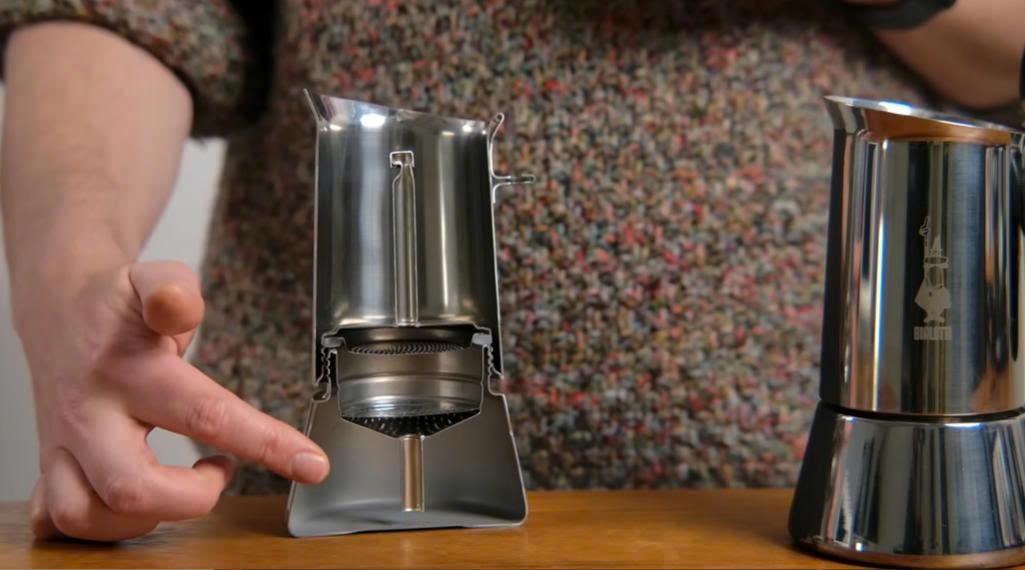
A traditional moka pot consists of three main chambers: a lower boiler, a middle coffee basket and an upper collection chamber.
Water is added to the lower chamber before the brewer is placed on a heat source. As the water heats up, expanding air and steam generate pressure, pushing hot water through the funnel and into the coffee grounds.
The extracted coffee then passes through a metal filter and rises into the upper chamber, where it is collected and ready to serve.
Unlike pour-over brewing methods, where water flows downward through coffee grounds under gravity, the moka pot uses pressure to push water upward through the coffee.
Although its operating principle is relatively simple, temperature management is one of the biggest challenges. Excessive heat can cause extremely hot water and steam to pass through the coffee, resulting in harsh bitterness and an unpleasant aftertaste.
Four Essential Rules for Better Moka Pot Coffee
Several basic practices can improve almost any moka pot brewing process, regardless of the brewer's size or design.
1. Start with Hot Water
One of the most effective techniques is to fill the lower chamber with freshly boiled water rather than starting with cold water.
However, the water should be allowed to cool slightly before brewing, ideally to approximately the low 90°C range.
Starting with hot water shortens the brewing time and helps prevent the coffee grounds from being exposed to excessive heat for too long.
This approach also makes it easier to control the extraction process and produce a more balanced cup.
2. Fill the Coffee Basket Properly
The second important rule is to fill the coffee basket completely.
Most moka pots work with an approximate water-to-coffee ratio of 10:1 by weight. For example, a brewer holding around 300 grams of water may require approximately 30 grams of ground coffee.
The exact ratio can vary depending on the coffee roast level and the size of the basket.
Because coffee density differs between light and dark roasts, the weight of coffee that fits into a full basket will also vary.
As a starting point, filling the basket evenly without compressing the grounds is generally recommended.
3. Improve Coffee Distribution
Coffee preparation inside the basket can also influence extraction quality.
After adding the ground coffee, gently tap the basket to distribute the grounds evenly. If available, an espresso needle distribution tool can help break up clumps and create a more uniform coffee bed.
Another optional improvement is to use a paper filter, such as an AeroPress filter, beneath the upper metal filter.
This additional filtration layer can produce a cleaner cup and may improve extraction consistency.
For larger moka pots, lightly wetting the paper filter helps it stay in position during assembly.
4. Stop Brewing Before Excessive Sputtering
One of the most important rules is to avoid the aggressive sputtering stage at the end of brewing.
As the water in the lower chamber runs low, uncondensed steam can pass through the coffee grounds, causing the characteristic bubbling and spurting sound.
This stage often introduces excessive bitterness into the final beverage.
Keeping the lid open allows the brewer to be monitored throughout the process. As soon as strong sputtering begins, remove the pot from the heat.
If necessary, briefly cool the lower chamber under cold running water to stop further extraction.
Adjusting Grind Size According to Roast Level
Coffee selection is one of the most important variables when brewing with a moka pot.
Different roast levels require different grind sizes and extraction strategies.
Light-roasted coffee is generally more difficult to extract than dark-roasted coffee. It often benefits from a finer grind to help release more of its flavor compounds.
For moka pot brewing, the grind should generally be finer than typical filter coffee but noticeably coarser than espresso.
A grind similar to what might be used for a relatively fine AeroPress recipe can provide a useful starting point.
Dark-roasted coffee, on the other hand, is usually easier to extract. A slightly coarser grind can help prevent excessive extraction and reduce harsh bitterness.
The objective is not simply to maximize extraction, but to achieve a balance between sweetness, acidity, body and bitterness.
How Water Volume Affects Coffee Extraction
The amount of water in the lower chamber is another important variable.
For light-roasted coffee, filling the boiler almost to the base of the safety valve can help push more water through the coffee grounds before the brewing process reaches the sputtering stage.
This can improve extraction and help reveal the more delicate flavors associated with lighter roasts.
For darker coffee, using less water may produce better results.
Filling the boiler to approximately two-thirds or three-quarters of its capacity can result in an earlier brewing finish and a more concentrated beverage.
The resulting coffee is typically stronger and fuller-bodied, while potentially avoiding some of the harsh bitterness associated with excessive heat and extraction.
Temperature Control: The Key to Better Moka Pot Brewing
Managing heat is arguably the most important part of achieving consistent results.
The goal is to generate enough pressure to push water through the coffee grounds without allowing the brewer to overheat.
A useful technique is to apply relatively low heat throughout the brewing process.
On gas stoves, a low flame is generally recommended. With induction cooktops, a low power setting is preferable once coffee begins flowing. Electric cooktops may require preheating because they can take longer to reach the necessary temperature.
Once coffee starts flowing into the upper chamber, reduce the heat as much as possible while maintaining a steady extraction.
If the coffee begins flowing too quickly, temporarily remove the pot from the heat source.
If the flow slows down significantly or stops, apply a small amount of additional heat.
This process of adjusting temperature during extraction is sometimes described as temperature surfing. It helps maintain relatively stable brewing conditions and prevents excessive pressure and temperature from developing toward the end of the process.
The technique may require practice, but it can make a noticeable difference in the final cup.
Measuring Coffee Yield to Improve Consistency
Measuring the amount of coffee produced is another useful way to refine a moka pot recipe.
For example, a six-cup moka pot containing approximately 280 grams of water may produce around 200 grams of brewed coffee.
In general, extracting approximately two-thirds of the initial water volume is a reasonable upper target.
Light roasts may benefit from a higher yield because they often require more water to achieve sufficient extraction.
For darker roasts, a lower yield of around 120–150 grams may be preferable, depending on the desired strength and flavor profile.
Weighing the final beverage allows coffee drinkers to compare brewing results and make adjustments more systematically.
Once brewing is complete, transfer the coffee out of the hot moka pot promptly. Leaving it inside an overheated aluminum chamber can negatively affect the final taste.
Troubleshooting Common Moka Pot Brewing Problems
If the moka pot starts sputtering before producing the desired amount of coffee, there are two main factors to investigate.
Grind size may be too fine. An excessively fine grind can restrict water flow and contribute to unstable brewing conditions. Adjusting the grind slightly coarser may help.
The brewer may be overheating. Excessive heat can cause the water to reach high temperatures too quickly, accelerating the brewing process and triggering premature sputtering.
In this case, reduce the heat once coffee begins flowing. Allowing the pot to spend more time away from the heat source can also help maintain a more controlled extraction.
The size of the moka pot matters as well. Smaller brewers contain less water and require less energy to maintain brewing temperature. Therefore, they may need to be removed from the heat almost immediately after coffee starts flowing.
Larger models contain more water and generally require slightly more heat to maintain a steady flow.
Understanding these differences is essential when adapting a brewing recipe to different moka pot sizes.
How to Serve Moka Pot Coffee
Moka pot coffee produces a concentrated beverage with a relatively strong flavor profile.
It can be enjoyed directly by those who prefer a rich and intense cup, but it also works well as a base for other coffee drinks.
Adding hot water creates a moka pot Americano-style beverage, allowing drinkers to enjoy a longer cup while retaining much of the coffee's character.
Alternatively, adding heated or steamed milk produces a milk-based drink with a rich coffee foundation.
Light-roasted specialty coffees can be particularly interesting when prepared this way, as their more delicate flavor characteristics can become easier to appreciate when the concentrate is diluted appropriately.
Final Thoughts: Getting More from a Traditional Coffee Brewer
The moka pot may look simple, but producing consistently balanced coffee requires attention to several variables, including water temperature, grind size, coffee distribution, brewing time and heat management.
Starting with hot water, filling the basket properly, controlling the heat and stopping extraction before aggressive sputtering are four practical steps that can improve brewing results.
For specialty coffee enthusiasts, experimenting with different roast levels and water volumes can further expand the possibilities of this traditional brewing method.
With a little practice and a more controlled approach to extraction, the moka pot can deliver much more than a strong cup of everyday coffee. It can also become a versatile tool for exploring the flavor characteristics of specialty coffee at home.
https://baocaphe.org/news/



