


Driving in different weather conditions can affect your comfort, especially when sunlight enters through your car windows. Bright sunlight can create glare, heat up the cabin, and make long journeys less comfortable. Choosing a tint shop South London Ontario can help you explore window film options that suit your vehicle and driving needs.
Automotive window tinting involves applying a thin film to the inside of vehicle windows. Depending on the film type, it can reduce solar heat, limit ultraviolet exposure, improve privacy, and give your car a neat appearance. The results depend on the product, installation quality, and local regulations.
Before selecting a tint, consider how you use your vehicle, how much visibility you need, and what level of heat reduction you want. Understanding these factors can help you choose a suitable option without compromising safety.
What Is Automotive Window Tinting
Automotive window tinting uses a specially designed film applied to vehicle glass. Different films offer different levels of visible light transmission, heat rejection, glare reduction, and UV protection.
Some drivers choose tint mainly for appearance, while others focus on cabin comfort and protection from sunlight. Modern automotive window film is available in several shades and materials, allowing drivers to compare features before making a decision.
Window tint is not simply a dark layer of plastic. Film quality and construction can affect its performance. A professional installer can explain the available options and help you understand the differences between basic dyed films, carbon films, and advanced ceramic films.
Key Benefits of Professional Window Tinting
Reduce Sunlight and Cabin Heat
During sunny weather, sunlight passing through vehicle glass can make the interior uncomfortable. Certain window films are designed to reject a portion of solar energy, helping reduce heat buildup inside the cabin.
This may make driving more pleasant, particularly when your vehicle is parked outdoors. The amount of heat reduction varies according to the film's specifications, glass type, and installation quality.
Window tint cannot completely prevent cabin heating. Parking in the shade, using a sunshade, and ventilating the vehicle when appropriate can also help manage interior temperatures.
Support UV Protection
Ultraviolet radiation can affect vehicle interiors over time. Repeated exposure may contribute to fading or deterioration of some materials, including dashboards, seats, and trim.
Many quality window films block a high percentage of UV radiation. This can support interior care and provide an additional layer of protection for occupants. Always check the manufacturer's technical information to understand the film's actual UV performance.
Improve Driving Comfort by Reducing Glare
Strong sunlight can make it difficult to see clearly, especially during early morning or late afternoon driving. Suitable window film may help reduce glare and make the cabin more comfortable.
However, darker tint is not always better. Excessively dark windows can reduce visibility, particularly at night or in poor weather. The film should be selected according to its performance and the legal requirements for the specific window.
Add Privacy and a Clean Appearance
Some drivers prefer a tinted appearance because it can create a consistent look across their vehicle. Depending on the shade and glass design, window film may also make it more difficult for people outside to see into the cabin.
Tint should not be treated as a guarantee of privacy in every lighting condition. Visibility can change depending on the brightness inside and outside the vehicle. Drivers should also avoid leaving valuable belongings in plain sight.
Understanding Different Types of Window Tint
Dyed Window Film
Dyed film is often considered an entry-level option. It can provide a darker appearance and some glare reduction. However, its heat rejection may be lower than that of some advanced films.
This type may suit drivers who mainly want a particular look and are working within a limited budget. Ask about product quality, expected lifespan, and warranty coverage before choosing it.
Carbon Window Film
Carbon film uses carbon-based materials and is commonly selected for its appearance and performance. Depending on the product, it can provide useful heat rejection without relying on metallic layers.
Ask the installer for technical specifications instead of assuming all carbon films perform equally. Product construction and manufacturer quality can vary.
Ceramic Window Film
Ceramic film uses advanced non-metallic materials designed to manage solar heat and UV exposure. Some products offer strong heat rejection while maintaining good optical clarity.
Ceramic film is often positioned as a premium option, so it may cost more than basic alternatives. Compare its specifications and warranty with your budget and driving requirements before making a decision.
How to Choose the Right Tint Shade
Tint shade is usually described by visible light transmission, often shortened to VLT. This figure indicates how much visible light passes through the glass and film together. A lower VLT percentage means less visible light passes through.
Before selecting a shade, consider visibility during nighttime driving, rainy weather, and parking in dim areas. Drivers who regularly travel after dark may prefer a lighter film that offers heat and UV benefits without making the windows too dark.
It is also important to understand the legal requirements in Ontario. Rules can differ according to the window's position and vehicle type. Front-side windows must meet applicable visibility requirements, and windshield restrictions also apply. Confirm current provincial requirements before installation rather than relying only on a shop's shade chart.
Why Professional Installation Matters
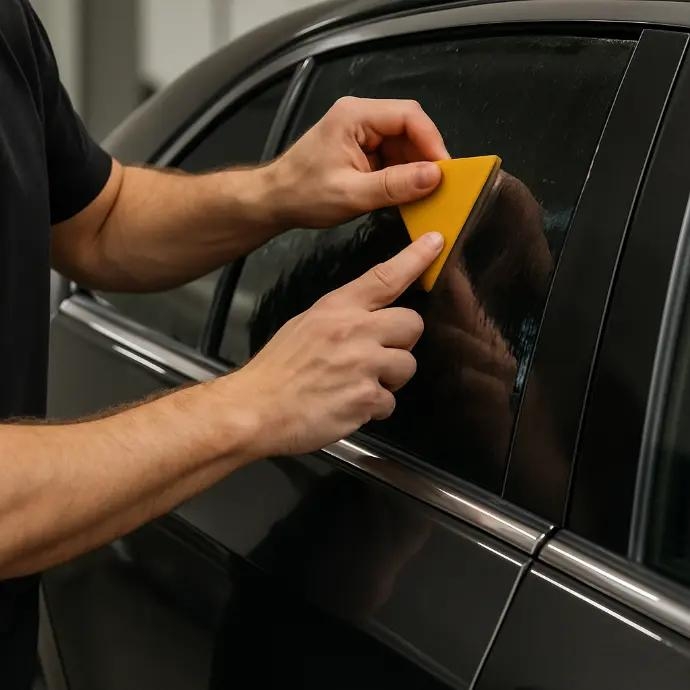
Good installation can make a major difference to the final appearance and lifespan of window film. A trained installer carefully measures and cuts the material, prepares the glass, and applies the film while reducing the risk of bubbles, dust, and uneven edges.
Poor installation may lead to peeling, visible contamination, creases, or distortion. These issues can affect both appearance and driving comfort.
When comparing providers, ask about experience, product brands, warranty terms, and the recommended curing period. A professional should also explain how to care for the windows immediately after installation.
How to Care for Newly Tinted Windows
After installation, follow the installer's instructions about how long to wait before opening the windows. The film may need time to dry and bond to the glass. Temporary haze or small moisture pockets can occur during curing, depending on the product and conditions.
Once the film has cured, use a soft cloth and a cleaner approved for tinted windows. Avoid abrasive pads and sharp tools that could scratch the surface. If you use a scraper or other cleaning equipment, make sure it is safe for the film.
Check the edges occasionally for lifting or damage. If you notice bubbling, peeling, or significant distortion, contact the installer for advice rather than attempting an unapproved repair.
What to Ask Before Booking a Tinting Service
Before confirming an appointment, ask which film options are available and what each one is designed to do. Request details about heat rejection, UV protection, optical clarity, and warranty coverage.
Ask whether the quote includes all selected windows and whether any existing film must be removed first. Removal may add time and cost, especially if the old film is damaged or difficult to take off.
Finally, confirm the appointment duration and aftercare instructions. Clear information helps you plan your day and understand what to expect from the service.
Frequently Asked Questions
1. Does window tint help keep a car cooler?
Certain films reduce solar heat entering the cabin, which can improve comfort. Results vary by film type, glass, sunlight, and vehicle design.
2. Does window tint protect against UV rays?
Many quality automotive films block a high percentage of UV radiation. Check the product specifications to confirm the level of protection offered.
3. Is darker window tint always better?
No. Darker film can reduce visibility, especially at night. Choose a shade that balances comfort, clarity, and Ontario's applicable legal requirements.
4. How long does window tint installation take?
Installation time depends on the vehicle, number of windows, film type, and whether old tint needs removal. Ask the installer for an estimated completion time.
5. How should I clean tinted windows?
After the film has cured, use a soft microfiber cloth and a suitable non-abrasive cleaner. Follow the installer's guidance and avoid sharp tools that could damage the film.
Final Thoughts
Window tinting can improve cabin comfort, reduce glare, support UV protection, and enhance the appearance of your vehicle when the right film is professionally installed. Compare film specifications, choose a legal shade, and follow the recommended aftercare routine to get the best results. If you are exploring vehicle appearance and protection services in the area,
Touch Spot Car Detailing is a provider to consider when discussing your window tinting needs.



