

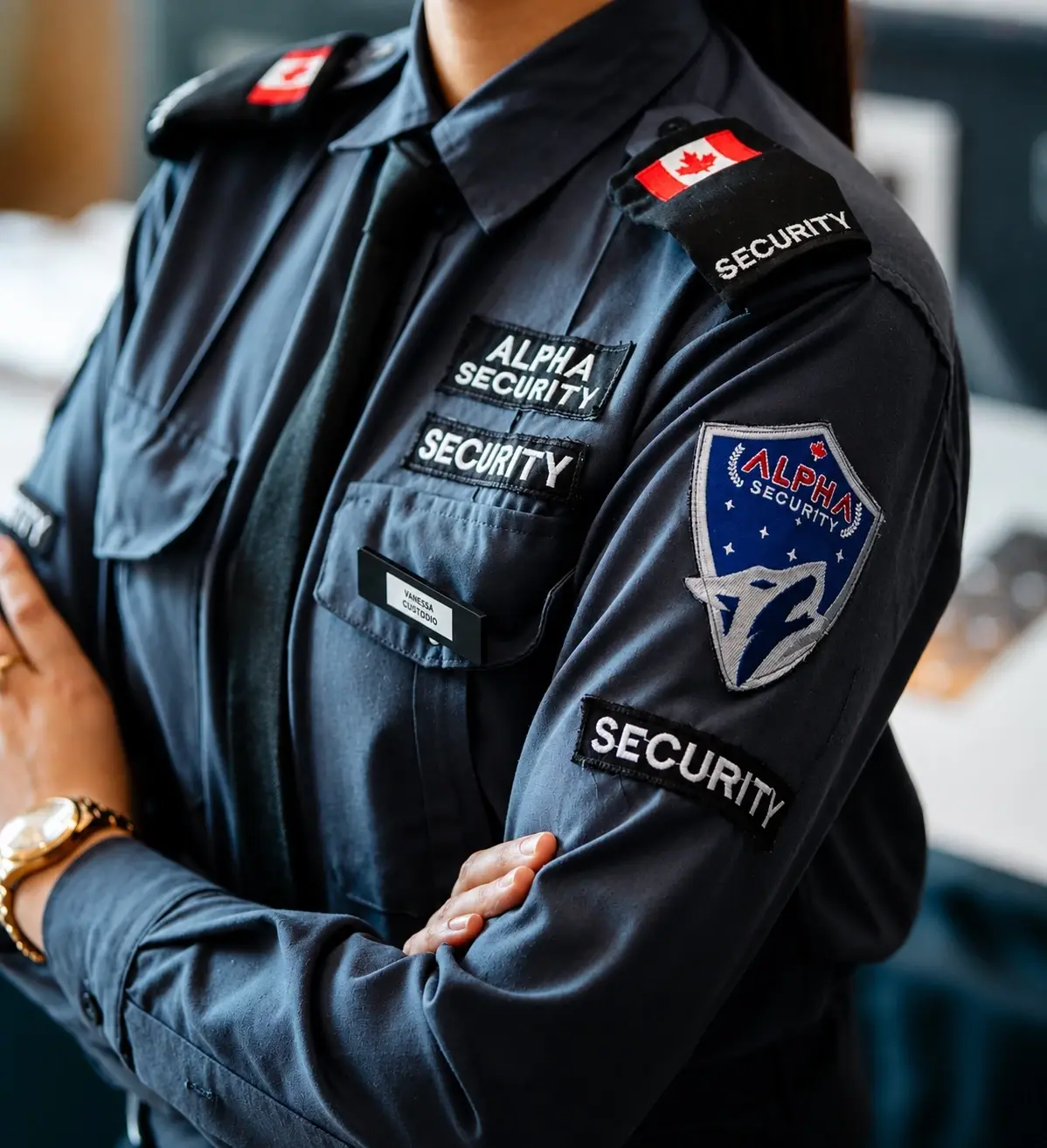

Choosing a canadian security company is an important step for businesses, property managers, and organisations that want to improve safety. A professional provider can help protect employees, visitors, buildings, equipment, and other valuable assets. The right security arrangements can also help reduce risks and create a more organised environment.
Every property has different security needs. An office may require visitor screening and controlled entry, while a warehouse may need regular patrols and after-hours monitoring. Retail stores, residential communities, and event venues may also benefit from security services designed for their daily activities.
Before making a decision, consider the type of protection you need, the risks you want to manage, and the level of service that fits your budget. A clear understanding of these factors will help you compare providers and select a suitable option.
What Makes a Security Provider Reliable
Reliability involves more than providing a uniformed guard. A professional provider should communicate clearly, understand the client's requirements, and explain how its services will operate. It should also have procedures for staff supervision, incident reporting, and handling unexpected situations.
Look for a company that asks questions about your property before recommending a solution. A provider that understands your operating hours, access points, visitor numbers, and possible risks is better positioned to suggest an appropriate security plan.
Proper Licensing and Compliance
Security licensing requirements differ between Canadian provinces and territories. Confirm that the company and its guards meet the rules that apply to the location where services will be delivered. Ask about relevant licences, required training, and any documentation needed for the assignment.
A professional provider should be willing to explain its credentials and responsibilities. Do not assume that requirements are identical across Canada, particularly when arranging services in more than one province.
Professional Guard Training
Security guard training helps personnel understand their duties and respond appropriately to different situations. Training may include observation, communication, conflict de-escalation, emergency procedures, customer service, and incident documentation.
Ask how guards are prepared for the type of site they will protect. For example, a guard working at a construction project may need to understand site access procedures, while an officer assigned to a corporate office may need strong visitor management skills.
Staff Supervision and Accountability
Security supervision helps maintain consistent service quality. Find out who manages the guards, how attendance is monitored, and what happens if a scheduled employee is unavailable. Ask whether supervisors conduct site visits and how clients can report concerns.
Clear accountability helps prevent misunderstandings and ensures that agreed duties are completed. Written instructions and regular communication can also help security staff understand changing priorities.
Security Services for Different Environments
A suitable security plan depends on the environment, the people using the property, and the risks involved. Different services can be combined when a location requires more than one type of protection.
Commercial and Office Security
Commercial security services can help offices manage entry points, monitor visitor activity, and protect business assets. Guards may verify visitor appointments, direct guests, observe common areas, and report unusual activity to management.
Businesses should establish clear rules about restricted areas, staff access, deliveries, and emergency contacts. These procedures help guards perform their duties without disrupting normal operations.
Retail and Shopping Centre Security
Retail environments can face risks such as theft, disputes, unauthorised access, and crowd management concerns. Retail security guards may monitor entrances, provide a visible presence, assist customers, and report suspicious behaviour according to established procedures.
Staff should be trained to communicate calmly and follow company policies. Clear instructions can help protect employees and visitors while maintaining a welcoming customer experience.
Construction Site Protection
Construction projects often contain tools, machinery, building materials, and equipment that need protection. Construction site security may include checking authorised entry, recording visitors, conducting patrols, and monitoring vulnerable areas outside working hours.
Security arrangements should be coordinated with site managers so guards understand delivery schedules, contractor access, and restricted zones. This can reduce confusion and support safer site operations.
Residential and Community Security
Residential buildings and communities may need visitor management, parking area monitoring, and patrols of shared spaces. Residential security services can help residents feel safer while supporting building rules and access procedures.
The provider should understand the community's needs and establish clear ways for residents to report concerns. Privacy and respectful communication are especially important in residential settings.
How to Compare Experience and Reputation
A company's experience should match your particular security requirements. Ask whether it has handled similar properties or assignments and whether it can explain the procedures used to manage common risks.
Check customer reviews across independent platforms, while remembering that individual reviews may not tell the whole story. References from comparable clients can provide additional insight into communication, reliability, and service consistency.
You should also ask how incidents are documented and reviewed. A provider with clear incident reporting procedures can help clients understand what happened, what actions were taken, and whether further steps may be needed.
Avoid relying only on marketing claims. Request specific information about staffing, supervision, service limits, and communication arrangements before signing an agreement.
Understand Pricing and Service Agreements
Security service costs may depend on the number of guards, coverage hours, property size, location, risk level, and required duties. Specialised assignments or overnight coverage may affect the price.
Ask for a written quotation that describes the service in detail. It should explain working hours, responsibilities, supervision, reporting, payment terms, and the process for requesting changes. Confirm whether additional charges may apply for extended shifts or extra coverage.
The cheapest option may not offer the best overall value. Compare the quality of training, reliability, communication, and supervision alongside the price. A suitable agreement should make responsibilities clear and reduce the chance of unexpected costs.
Combine Security Staff With Practical Technology
Technology can support security personnel when it is selected for the property's actual needs. Security cameras, alarms, access cards, and visitor management systems can help staff monitor activity and maintain records.
Technology should complement, rather than automatically replace, suitable human supervision. Cameras may record an incident, for example, but trained personnel can help manage access, communicate with visitors, and report concerns as they arise.
Discuss how technology will be used, who can access recordings, and how information will be protected. The provider and property manager should agree on clear procedures that respect applicable privacy rules.
Frequently Asked Questions
1. How do I choose a reliable security provider?
Check licensing, training, relevant experience, staff supervision, customer feedback, and written service terms. Choose a provider that understands the risks associated with your property.
2. What services can a security provider offer?
Services may include on-site guards, mobile patrols, access control, event security, retail protection, and construction site monitoring. Availability varies by provider and location.
3. Why is security guard training important?
Security guard training helps personnel understand their responsibilities, communicate professionally, document incidents, and follow appropriate procedures during emergencies.
4. Can security services be customised for my business?
Yes. Providers may adjust staffing, working hours, patrol schedules, and duties according to the property and its risks. Confirm the details in a written agreement.
5. Should I compare more than one security provider?
Yes. Comparing quotations, credentials, experience, and service arrangements can help you understand the available options and choose a suitable solution.
Conclusion
A dependable security arrangement begins with understanding your risks and comparing providers carefully. Review licensing, guard preparation, supervision, reporting, technology, and pricing before making a commitment. Clear service expectations can support better communication and consistent protection. Security Services Near Me can be considered by businesses and property managers exploring security options that suit their locations and operational needs.



