


Silent Burnout Is Hiding in Party Culture and Escape Habits
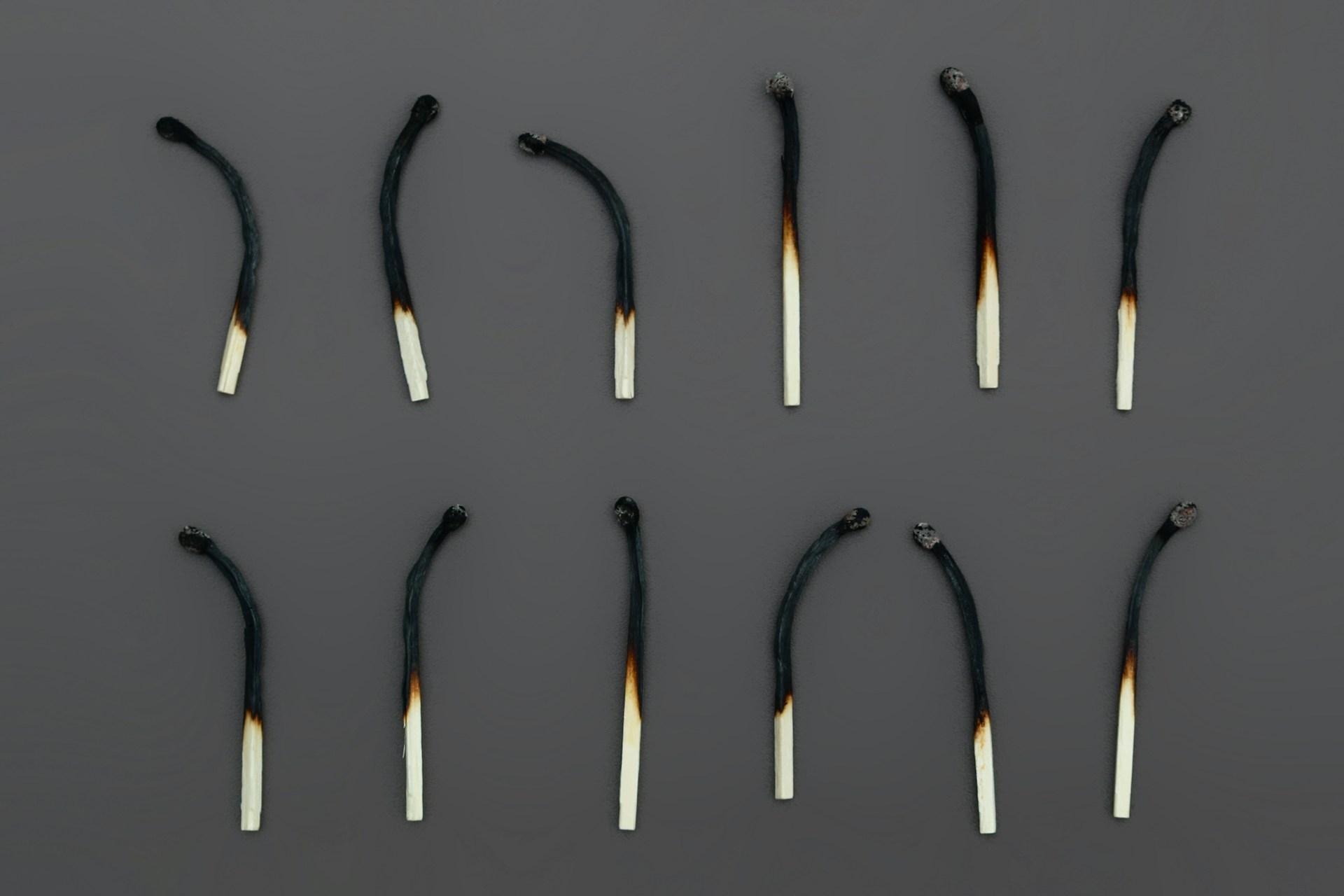
Silent burnout can sit behind busy weekends, loud music, and a lifestyle that looks “fun” from the outside. This article explores how party culture can hide stress, why escape habits sometimes grow into health risks, and what real recovery support can look like.
What Silent Burnout Looks Like
Silent burnout is a kind of deep exhaustion that does not always look like collapse. A person may still show up, laugh, drink, socialize, or keep plans, while feeling drained, numb, or disconnected inside. The World Health Organization describes burnout as a work-related syndrome tied to chronic stress that has not been managed well, which helps explain why it can build slowly and hide in plain sight.
In social settings, burnout can be mistaken for being “social,” “easygoing,” or “always down to go out.” But constant stimulation can also be a way to avoid stress, sadness, shame, or loneliness. That is why silent burnout often overlaps with mental health strain and substance use risk.
Why Party Culture Can Mask Stress
Party culture can make exhaustion look normal. If the group setting rewards late nights, heavy drinking, or always being “on,” people may stop noticing when fun starts to feel like pressure. The shift is subtle: what begins as connection can become a way to avoid feeling too much.
NIDA notes that stress, trauma, anxiety, and depression can all raise the risk of substance use problems, and people may use drugs or alcohol to feel better when healthy support is out of reach. That does not mean every night out leads to harm. It does mean that repeated escape can become a shortcut when someone is trying to manage stress without real recovery tools.
Silent Burnout and Substance Use
Silent burnout and substance use often feed each other. A person feels worn down, reaches for relief, gets temporary numbness, and then wakes up more tired, more anxious, or more disconnected. Over time, that pattern can blur the line between recreation and coping.
This is also where dual diagnosis support can matter, because mental health and substance use challenges often happen together. A person may need help for both at once, not one after the other. That kind of care can be more realistic when burnout, anxiety, depression, and substance use are all part of the picture.
What It Means
It means burnout is not just about being tired. It can show up as irritability, emptiness, low motivation, poor sleep, and a need to keep chasing distraction. In party culture, those signs can be hidden by a busy social calendar.
Why It Matters
If the real stress never gets named, the coping habit usually stays in place. That can delay help, strain relationships, and make recovery feel harder later. Early awareness gives people more choices.
How To Apply It
Pause after social events and ask three simple questions: Did this help me, drain me, or numb me? What did I feel before I went out? What do I need now that is not another round of stimulation? Small check-ins like these can reveal patterns before they grow bigger.
Recovery Means Redefining Fun
Recovery is not the end of joy. It is often the start of more honest joy. For many people, that means learning that connection does not have to come with intoxication, and relief does not have to come with escape.
Health organizations recommend care that supports mental health, prevents worsening symptoms, and makes it easier for people to function in daily life. In practical terms, that can mean sleep, structure, therapy, peer support, movement, art, or quiet time that gives the nervous system a break. In places like Georgia, support can also include mental health care in Atlanta when a person needs a local step beyond self-help.
Healthy Alternatives That Actually Help
Healthy alternatives work best when they are realistic, not perfect. A person dealing with burnout may not suddenly want a full wellness routine. They may need one small change that feels doable this week.
Some useful options include:
-
Creative release, such as writing, music, drawing, cooking, or fixing something with your hands.
-
Intentional rest, which means sleep, low-stimulation time, and fewer late-night commitments.
-
Honest connection, such as meeting one trusted friend for a walk instead of a crowded scene.
-
Recovery support, including therapy, peer groups, or a sober living setting when needed.
-
Better mental health habits, like checking in on mood, food, sleep, and stress before the weekend starts.
A person does not have to give up community to protect mental wellness. They may only need to change the setting, the timing, or the substance use around it.
What Communities Can Change
Community spaces do not have to be built around pressure, noise, or excess. They can make room for better choices by offering alcohol-free events, earlier start times, clearer boundaries, and more honest talk about mental health. That helps people stay connected without needing to perform.
Mental health policy also matters here. The WHO says work and social environments can be shaped to better promote mental health and prevent mental conditions. The same idea applies to social culture: when the norm changes, individuals have more room to heal without feeling singled out.
When To Take It Seriously
It is time to take silent burnout seriously when fun starts to feel compulsory. It is also a warning sign if someone needs substances just to get through social time, or if a weekend leaves them more drained than refreshed. If sleep, mood, or work starts sliding, the problem may be bigger than “stress.”
The SAMHSA National Helpline is a free, confidential, 24/7 service for people facing mental health or substance use concerns. That kind of recovery support can be a starting point when someone is not sure what level of help they need.
FAQ
What is silent burnout?
Silent burnout is ongoing emotional and physical exhaustion that can be hidden by a busy or social lifestyle. A person may look fine while feeling depleted inside.
Can party habits affect mental health?
Yes. Repeated escape habits can cover stress, anxiety, or depression and can make those problems harder to notice or treat.
Is every form of social drinking a sign of a problem?
No. The concern is when alcohol or drugs become the main way to cope, connect, or feel okay. That is when substance use may start to interfere with mental wellness.
What helps most in recovery?
The most helpful steps are usually simple and steady: better sleep, honest support, lower-stimulation routines, and care that addresses both mental health and substance use when needed.
Can culture change without losing connection?
Yes. Communities can keep the sense of belonging while reducing pressure, adding sober options, and making rest feel normal instead of awkward.
Closing Perspective
Silent burnout is easy to miss because it can hide inside behavior that looks energetic, social, or carefree. But underneath, it may be a sign that stress has been ignored for too long. The good news is that recovery can begin with small, practical changes: one honest check-in, one quieter night, one better support step, or one conversation that tells the truth.
- Goth Lifestyle
- Fashion & Style
- Music & Bands
- Art & Photography
- Creative Writing & Poetry
- Events & Scene
- Occult & Spirituality
- DIY & Tutorials
- Beauty & Self-Care
- Relationships & Dating
- Gaming & Media
- Tech & Gadgets
- Body Art & Piercings
- Underground Culture
- Spotlights & Interviews
- Travel & Places
- Lifestyle & Daily Life
- Fitness & Health
- Travel & Adventure
- Books & Literature
- Tech & Gaming
- Movies & TV
- Food & Drinks
- Humor & Memes
- Pets & Animals
- General Arts & Crafts

 English
 Arabic
 French
 Spanish
 Deutsch
 Turkish
 Dutch
Dutch
 Italiano
 Russian
 Romaian
 Portuguese (Brazil)
 Greek
Greek