

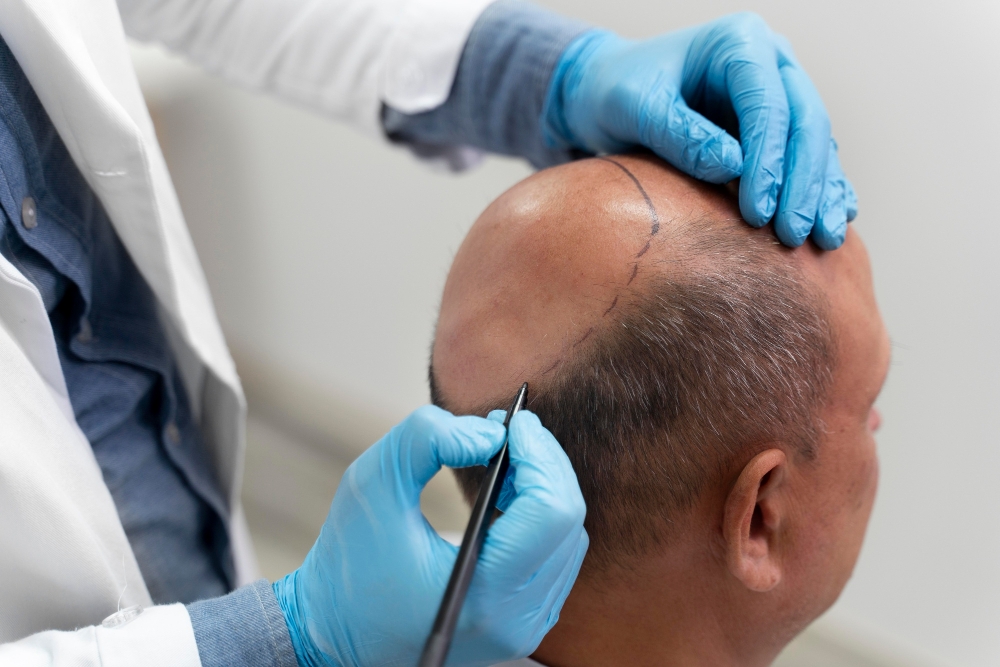
Exploring hair regrowth treatment dubai for Fuller and Healthier Hair

Hair thinning can affect confidence, personal appearance, and overall well-being. It may develop gradually or become noticeable after changes in health, stress, or hormonal balance. Exploring hair regrowth treatment dubai options begins with understanding the underlying cause of hair loss and the condition of the scalp. A personalised approach can help individuals identify suitable treatments, protect existing follicles, and establish realistic expectations for achieving fuller, healthier-looking hair over time.
Understanding the Causes of Hair Loss
Hair loss can occur for several reasons, including hereditary patterns, nutritional deficiencies, hormonal changes, and certain medical conditions. Some individuals experience temporary shedding, while others notice progressive thinning that requires long-term management. A consultation with a qualified specialist can help distinguish between these concerns and identify appropriate treatment options. Understanding the cause is particularly important because treatments that benefit hereditary hair loss may not be suitable for other conditions. Early assessment can also help individuals protect existing hair and make informed decisions about future care.
Personalised Hair and Scalp Assessment
A comprehensive assessment provides the foundation for an effective treatment plan. Specialists typically examine the scalp, evaluate hair density, and review the individual's medical history. They may also recommend laboratory investigations when nutritional deficiencies or hormonal conditions are suspected. Exploring available hair restoration treatments can help individuals understand the range of non-surgical and surgical approaches. A personalised plan considers the extent of thinning, existing follicle health, and treatment preferences to determine the most appropriate next steps.
Non Surgical Laser Hair Regrowth
Low-level laser therapy is a non-invasive option that may help improve hair density in selected individuals experiencing pattern hair loss. Treatment involves exposing the scalp to specific wavelengths of light that may support follicular activity and encourage healthier growth cycles. Individuals considering laser hair regrowth therapy should understand that results depend on the underlying cause of hair loss and consistency of treatment. Although the procedure generally requires little recovery time, multiple sessions may be necessary before noticeable improvements develop.
PRP Treatment for Hair Restoration
Platelet-rich plasma therapy involves collecting a small amount of blood and processing it to concentrate platelets before introducing the prepared plasma into the scalp. The treatment is intended to support existing follicles through growth factors associated with tissue repair. A PRP hair treatment plan may be considered for individuals experiencing certain forms of thinning. Responses vary, and treatment does not guarantee regrowth in areas where follicles have been permanently damaged or lost.
Exploring PRF Hair Treatment
Platelet-rich fibrin is another blood-derived treatment used in some hair restoration plans. Its preparation differs from PRP because it forms a fibrin matrix that may influence the release of growth factors. Individuals exploring PRF hair treatment should discuss the available evidence, expected benefits, and potential risks with a qualified practitioner. Treatment schedules depend on individual needs and clinical assessment. While some patients may notice improvements in hair thickness, outcomes are not guaranteed and maintenance sessions may be recommended.
Medical Approaches to Supporting Hair Growth
Medical treatments can play an important role in managing certain types of hair loss. Depending on the diagnosis, a specialist may recommend topical medications, prescription treatments, or correction of an identified nutritional deficiency. These approaches are most effective when selected according to the underlying condition rather than used without medical guidance. Individuals should discuss possible side effects, contraindications, and treatment duration before beginning therapy. A suitable plan may also include regular monitoring to determine whether the treatment is producing meaningful improvements.
Combining Treatments for Better Outcomes
Some individuals may benefit from a combination of approaches rather than relying on one treatment alone. For example, a specialist may recommend medical management alongside supportive procedures when clinically appropriate. Combining treatments should involve careful consideration of safety, effectiveness, and individual circumstances. The aim is to create a balanced plan that supports existing hair while addressing the underlying cause of thinning. Regular assessments can help determine whether adjustments are necessary and whether additional interventions are appropriate.
Maintaining Healthy Hair and Scalp
Daily care can contribute to healthier-looking hair and support the overall treatment process. Gentle cleansing, appropriate conditioning, and avoiding excessive heat or chemical damage may help reduce breakage. A balanced diet containing adequate protein and essential nutrients is also important for normal hair growth. Individuals experiencing persistent scalp irritation or unusual shedding should seek professional advice. Consistent hair care cannot reverse every form of hair loss, but it can support scalp comfort and preserve the appearance of existing hair.
Setting Realistic Expectations
Hair restoration is usually a gradual process, and visible improvements may take several months. The time required depends on the treatment selected, the severity of thinning, and the individual's response. Photographic documentation and follow-up assessments can help monitor changes in density and coverage. Some treatments require ongoing maintenance to preserve results, while others may not be suitable for particular conditions. Understanding these limitations helps individuals make informed decisions and avoid unrealistic expectations about the speed or extent of regrowth.
Conclusion
Exploring hair regrowth treatment options offers an opportunity to address thinning through personalised medical assessment and appropriate care. A thorough consultation, realistic expectations, and consistent follow-up can help individuals select treatments suited to their needs. Este Medical Group Dubai provides access to a range of hair restoration approaches designed to support individuals seeking fuller and healthier-looking hair. Professional guidance remains essential when evaluating treatment options, understanding potential risks, and developing a long-term plan for hair and scalp health.



