

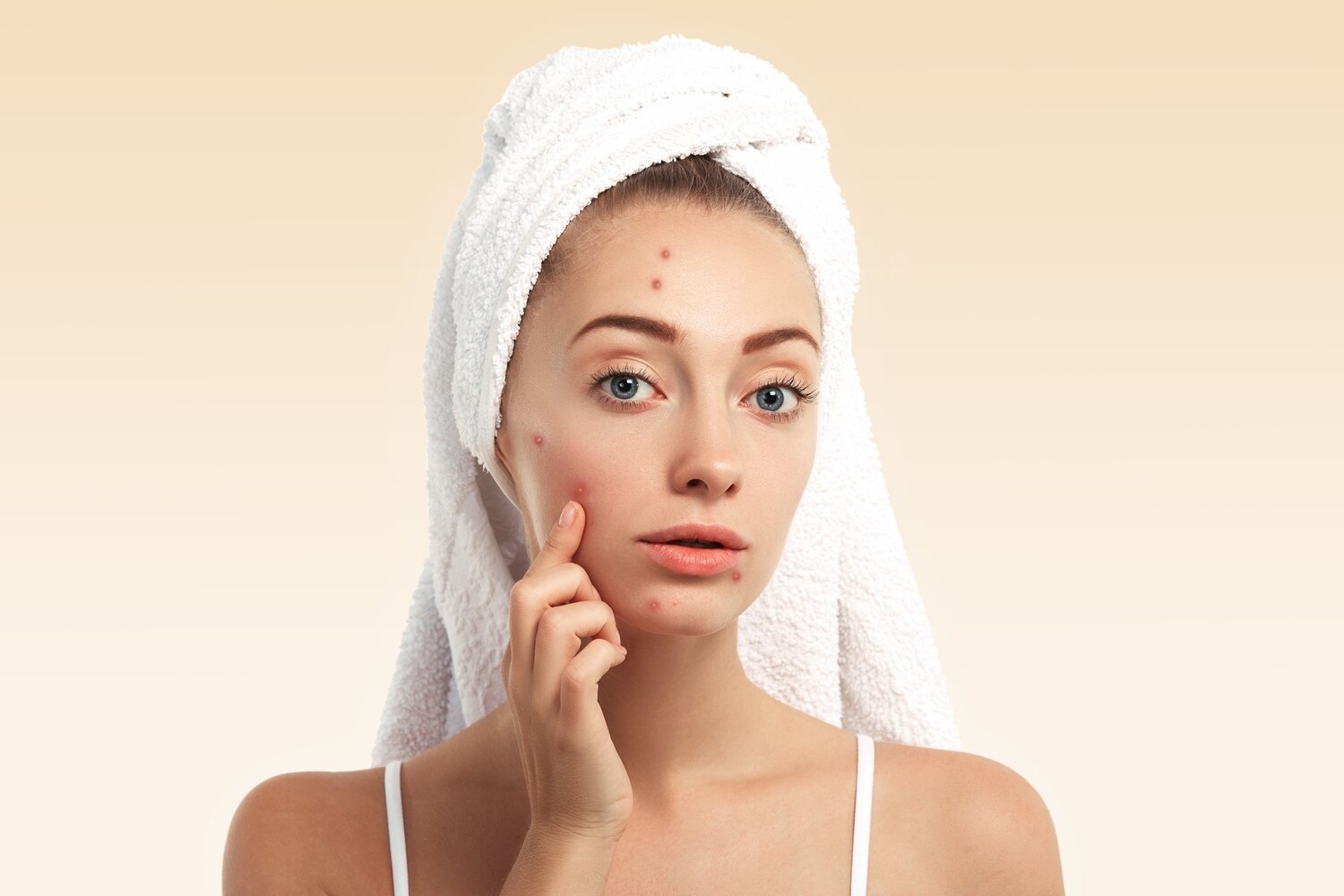
Achieve a Clearer Complexion with Acne Treatment Glasgow for Healthier Looking Skin

Acne is a common skin concern that can affect teenagers and adults, often appearing as blackheads, whiteheads, inflamed spots, or deeper blemishes. It develops when hair follicles become blocked by excess oil, dead skin cells, and other impurities. Acne treatment glasgow is a popular search for individuals looking for professional support to manage breakouts, improve skin texture, and achieve a clearer complexion. Understanding the causes of acne is an important first step towards choosing suitable skincare solutions and developing realistic expectations.
Several factors can contribute to acne, including hormonal fluctuations, increased sebum production, genetics, stress, and certain skincare products. Hormonal changes may stimulate oil glands, making pores more likely to become blocked. Some individuals experience occasional breakouts, while others deal with persistent inflammation that can leave dark marks or permanent scars. Because acne varies in severity and presentation, treatment should reflect the individual's skin condition rather than relying on a general approach that may not address the underlying concern.
Different Types of Acne and Their Characteristics
Acne can develop in several forms, ranging from mild congestion to more inflamed lesions. Blackheads and whiteheads are known as comedonal acne and occur when pores become blocked. Papules appear as small, red bumps, while pustules contain visible pus and may feel tender. More severe forms can include nodules and cysts, which develop deeper within the skin and may cause significant discomfort or increase the likelihood of scarring.
Identifying the type of acne helps determine the most appropriate management approach. Mild congestion may respond to suitable skincare products and gentle exfoliation, whereas persistent inflammatory acne may require medical assessment and prescription treatment. Deep or painful lesions should not be squeezed because this can increase inflammation and the risk of scarring. A professional evaluation can help distinguish between different acne presentations and establish whether specialist treatment or referral is necessary.
Why Professional Acne Assessment Is Important
A professional skin assessment provides an opportunity to understand the causes, severity, and pattern of breakouts. During a consultation, the practitioner may examine affected areas, discuss previous skincare routines, and review medical history, medications, and known sensitivities. Factors such as hormonal changes, existing skin conditions, and previous acne treatments can influence the recommendations. This information helps determine which options may be suitable and whether medical evaluation is needed for persistent or severe symptoms.
Personalised advice can also help prevent unnecessary irritation caused by using several active skincare ingredients together. Products containing exfoliating acids, retinoids, or other active ingredients may benefit certain skin types but can aggravate sensitive or inflamed areas when used incorrectly. Individuals can explore the skin clinic in Glasgow to learn about available professional skincare services and arrange an assessment suited to their concerns.
Professional Treatments for Acne Prone Skin
Professional treatments may help address selected acne concerns by supporting skin renewal, reducing surface congestion, and improving the appearance of uneven texture. The appropriate procedure depends on whether the main concern involves blocked pores, active inflammation, superficial marks, or residual scarring. Some individuals may benefit from treatments that complement their everyday skincare routine, while others may need medical treatment before cosmetic procedures are considered.
Chemical peels are one option that may be recommended for selected cases of mild acne and uneven skin texture. They use carefully chosen exfoliating ingredients to remove accumulated surface cells and encourage skin renewal. Treatment strength should reflect the individual's skin type and sensitivity, as stronger formulations may cause irritation or pigmentation changes. More information about chemical peels in Glasgow can help individuals understand the procedure and discuss whether it is appropriate for their skin condition.
Managing Acne Marks and Uneven Skin Texture
Even after active acne improves, some individuals continue to experience dark marks, redness, or uneven skin texture. Post inflammatory hyperpigmentation develops when inflammation increases melanin production, leaving darker areas where blemishes previously appeared. These marks are not necessarily permanent scars, although they may take several months to fade. Sun exposure can make discolouration more noticeable, making regular sun protection an important part of ongoing skincare.
Structural acne scars develop when inflammation affects the skin's deeper supporting tissues. Some scars appear as small depressions, while others create broader uneven areas or raised tissue. Different concerns require different treatment approaches, and professional assessment helps establish which procedures may offer suitable improvements. Individuals concerned about lasting marks can explore acne scar treatment in Glasgow to understand options that may support smoother looking skin and improved texture.
The Role of Microneedling in Skin Renewal
Microneedling may be considered for selected individuals who experience uneven texture or depressed acne scars after active breakouts have settled. The procedure uses fine needles to create controlled microchannels in the skin, encouraging its natural repair response. This process can stimulate collagen production over time and may help improve the appearance of certain shallow scars. However, microneedling is not generally a first choice for treating active, inflamed acne.
Treatment suitability depends on skin condition, scar type, medical history, and individual healing characteristics. Multiple sessions may be recommended, with sufficient intervals between appointments to allow recovery. Temporary redness, swelling, sensitivity, and irritation can occur following the procedure. Individuals should receive clear information about expected results and aftercare before proceeding. A practitioner can explain whether microneedling is appropriate or whether another approach would better address the individual's primary skin concern.
Building a Consistent Daily Skincare Routine
Everyday skincare plays an important role in managing acne prone skin. A gentle cleanser can help remove excess oil, dirt, and cosmetic residue without unnecessarily disrupting the skin barrier. A lightweight, non comedogenic moisturiser may help maintain hydration, while suitable sunscreen protects against ultraviolet exposure and reduces the likelihood of worsening dark marks. Products should be selected according to individual skin needs rather than the assumption that acne prone skin does not require moisturising.
Introducing new products gradually can make it easier to identify irritation or sensitivity. Ingredients such as salicylic acid and retinoids may help certain types of acne, but they are not suitable for everyone and should be used according to appropriate guidance. Scrubbing, frequently changing products, and picking blemishes can aggravate inflammation. Consistency is more useful than an overly complicated routine, particularly when the skin is already irritated or sensitive.
Lifestyle Factors That Can Influence Acne
Although skincare and professional treatment are important, lifestyle factors may also influence how acne develops and responds to management. Stress can affect hormonal activity and may contribute to increased breakouts in some individuals. Sleep quality, daily habits, and certain medications can also influence skin health. Some people notice associations between particular foods and their acne, although dietary triggers vary and there is no single diet that reliably prevents all breakouts.
A balanced lifestyle can support general wellbeing and complement an appropriate skincare plan. Gentle cleansing after sweating, avoiding unnecessary friction, and keeping frequently used items such as phone screens clean may help reduce irritation and surface impurities. However, lifestyle changes alone may not resolve persistent or severe acne. Individuals experiencing painful lesions, widespread inflammation, or repeated scarring should seek professional medical advice rather than delaying treatment.
Conclusion
Acne can affect skin appearance, texture, and confidence, but suitable management can help reduce breakouts and improve the overall complexion. The most appropriate approach depends on acne type, severity, skin sensitivity, and whether concerns involve active inflammation, pigmentation, or scarring. Professional assessment, consistent skincare, and realistic expectations are essential when exploring treatment options. Addressing acne early may also help reduce the likelihood of lasting marks and structural scars.
For individuals exploring professional skincare support in Glasgow, Este Medical Group provides information about available aesthetic and skin treatments. A consultation can help identify individual concerns, discuss suitable options, and explain the limitations and aftercare associated with different procedures. With informed guidance and a consistent approach to skin health, individuals can work towards a clearer complexion and healthier looking skin.



