

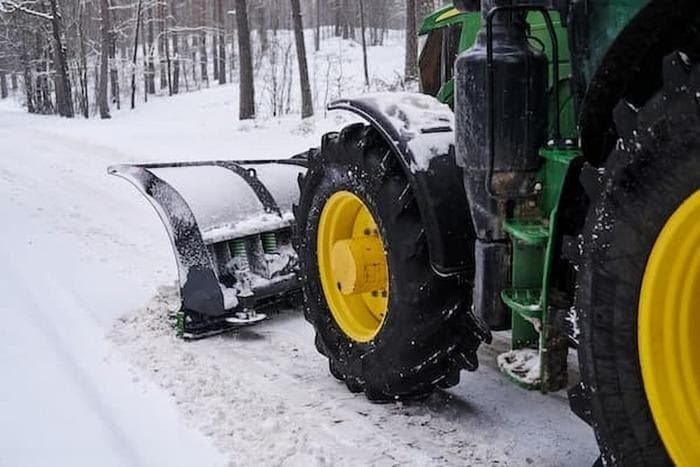

Winter weather can create challenging conditions for homeowners, property managers, and businesses responsible for keeping outdoor areas accessible. Snow accumulation around driveways, walkways, parking areas, and entrances can quickly become difficult to manage without dependable equipment. A properly maintained snowblower helps remove snow efficiently and reduces the physical effort involved in clearing large or frequently used spaces. Regular snowblower service plays an important role in maintaining equipment reliability, identifying mechanical concerns, and preparing machines for demanding winter conditions. Consistent maintenance also helps reduce unexpected interruptions when snowfall makes dependable performance especially important.
Why Regular Snowblower Maintenance Matters
Snowblowers operate in cold temperatures and often work through heavy, wet, or compacted snow. These conditions place pressure on engines, belts, augers, drive systems, and other important components. Without routine maintenance, equipment may develop starting difficulties, inconsistent operation, reduced throwing distance, or mechanical problems that interfere with snow removal. Regular inspections help identify developing concerns before they become more serious.
Preventive care also supports consistent performance throughout the winter season. A snowblower that receives appropriate maintenance is more likely to start when needed and operate according to its intended capabilities. Checking essential components before periods of heavy snowfall can help property owners avoid inconvenient breakdowns. Following the manufacturer's maintenance schedule is particularly important because different snowblower models may have different service requirements based on their design and operating systems.
Recognizing Common Signs of Snowblower Problems
Changes in equipment performance can indicate that a snowblower needs attention. Difficulty starting, unusual engine sounds, excessive vibration, reduced snow discharge, and inconsistent movement are common warning signs. Some issues may appear gradually, while others can develop after a demanding period of operation. Recognizing these symptoms early allows owners to arrange an inspection before the equipment becomes unreliable.
Snow discharge problems may involve clogged passages, damaged auger components, worn belts, or other mechanical concerns. A machine that struggles to move through snow may also have issues involving its drive system, tires, or traction components. Operators should never attempt to clear blockages while the machine is running. Following the manufacturer's shutdown and safety procedures is essential before inspecting or cleaning any snowblower component.
Preparing Snowblowers Before Winter Begins
Preseason preparation helps ensure that equipment is ready before the first significant snowfall. Owners should inspect the machine, check fluid levels where applicable, examine belts, and review the condition of the auger and scraper bar. Batteries, spark plugs, filters, and fuel system components should also receive attention according to manufacturer recommendations. Identifying worn or damaged parts before winter can reduce the risk of equipment interruptions during periods of heavy use.
Fuel quality and storage practices are especially important for machines that remain unused during warmer months. Old fuel may contribute to starting difficulties or inconsistent engine operation. Owners should follow the manufacturer's instructions for fuel handling and storage rather than relying on assumptions that apply to every model. Reviewing seasonal equipment preparation and maintenance considerations can help property owners understand the value of preparing outdoor machinery before extended seasonal changes.
Maintaining the Engine for Dependable Operation
The engine provides the power needed to operate a snowblower's moving components and support effective snow removal. Regular engine maintenance can help preserve starting reliability and consistent operation. Depending on the model, service requirements may include oil changes, spark plug inspections, air filter maintenance, and fuel system checks. These tasks should be completed according to the manufacturer's recommended schedule and operating-hour guidelines.
Cold temperatures can make engine starting more demanding, especially when equipment has not received proper attention before winter. A weak battery, unsuitable fuel condition, or neglected ignition component may contribute to starting problems. Owners should also monitor unusual sounds, excessive smoke, or inconsistent engine behavior. Professional inspection can help determine whether these symptoms require routine maintenance or more extensive repairs. Keeping service records makes it easier to track completed work and plan future maintenance.
Inspecting Augers, Belts, and Drive Components
The auger system is responsible for collecting snow and directing it toward the discharge chute. Its condition has a direct influence on snow removal performance. Damaged or excessively worn components can reduce effectiveness and may create additional mechanical strain. Regular inspections help identify visible damage, loose fasteners, and other concerns that could affect operation.
Belts and drive components also require attention because they transfer power through different parts of the machine. Worn or damaged belts may cause inconsistent auger movement or interfere with the drive system. Tires and traction components should be checked to ensure that the snowblower can move appropriately across the surfaces where it will be used. Professional servicing can help identify components that require adjustment or replacement and ensure that repairs follow the equipment manufacturer's specifications.
Keeping the Discharge System Clear and Functional
The discharge chute directs collected snow away from the cleared surface. When this system becomes blocked or damaged, snow removal can become less effective and operation may be interrupted. Wet snow and compacted material can contribute to blockages, particularly when equipment is used in changing winter conditions. Operators should follow safe operating procedures and use only the tools or clearing methods recommended by the manufacturer.
The chute should also be inspected for visible damage, loose connections, and movement problems. Controls used to adjust discharge direction should operate as intended. Operators should never place their hands inside the chute or auger housing, even when the machine appears to be switched off. Following the manufacturer's complete shutdown and clearing procedure is essential because moving components can remain dangerous after operation stops.
Choosing the Right Maintenance Schedule
Snowblower maintenance requirements depend on equipment design, operating frequency, and the conditions in which the machine is used. A snowblower used occasionally on a short residential driveway may accumulate fewer operating hours than one responsible for clearing large commercial areas. Heavy, wet snow and repeated operation can also increase wear on certain components.
Owners should use the equipment manual as the primary reference for maintenance intervals. Regular checks between scheduled service visits can help identify developing concerns, while professional inspections provide an opportunity to assess components that may not be easy to evaluate without technical experience. A maintenance record containing service dates, operating hours, and replacement details can make long-term equipment care more organized. Preventive attention is generally easier to plan than an unexpected repair during severe winter weather.
Storing Snowblowers After the Winter Season
Proper storage helps protect snowblowers during periods when they are not being used. Before storing equipment, owners should clean away accumulated snow, dirt, and debris, then inspect the machine for signs of wear or damage. Fuel should be managed according to manufacturer instructions, and any recommended lubrication or maintenance should be completed before storage. Keeping equipment in a dry, protected location can help limit unnecessary exposure to moisture and other environmental conditions.
Spring is also a useful time to review repairs that may have been postponed during winter. Addressing worn belts, damaged components, or engine concerns before the next season helps prevent the same problems from returning. Owners who maintain other outdoor machinery can also explore equipment care and preventative maintenance practices for additional insight into protecting machines through planned inspections and timely service.
Improving Winter Readiness Through Responsible Operation
Good operating habits complement regular maintenance. Operators should select a suitable snowblower for the expected snowfall, surface conditions, and size of the area being cleared. Following recommended operating procedures helps reduce unnecessary strain on the machine. Removing obstacles from the clearing area before operation can also help prevent damage caused by hidden objects beneath the snow.
Snow conditions can change significantly during a storm. Heavy, wet accumulation may require slower progress and more careful operation than light, powdery snow. Owners should avoid forcing equipment beyond its intended capacity and should follow the manufacturer's guidance for operating limits. Combining responsible use with regular inspections and timely repairs helps maintain consistent equipment performance throughout the winter.
Conclusion
Dependable snow removal begins with equipment that is properly prepared and maintained. Engine inspections, auger care, belt checks, discharge system maintenance, and appropriate seasonal storage all contribute to reliable snowblower operation. Recognizing warning signs early and following manufacturer recommendations can help reduce unexpected interruptions during demanding winter conditions. Regular snowblower service supports equipment readiness and helps property owners manage seasonal snow removal more confidently. Eagle Power Kubota offers equipment and service resources that help customers prepare for outdoor maintenance responsibilities throughout the year.



