

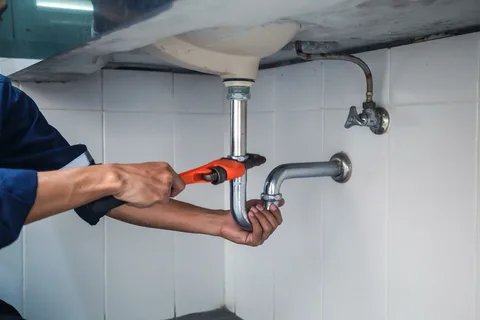

There are few sounds in a home as insidious as the slow, rhythmic drip-drip-drip emanating from an unseen source. Plumbing leaks are the silent enemy of homeowners. While a burst pipe is an obvious emergency, slow, hidden leaks often go unnoticed for months, or even years, wreaking havoc on the structural integrity of a building and causing astronomical water bills.
The Environmental Protection Agency (EPA) estimates that household leaks can waste nearly 1 trillion gallons of water annually nationwide. That is a staggering statistic representing a massive amount of money quite literally draining away.
Understanding how to identify the signs of a leak, where they commonly occur, and the advanced technology used for professional Plumbing Leak Detection is the first line of defense in protecting your home and your wallet.
The High Cost of Ignoring a Plumbing Leak
A leak does not need to be gushing to be destructive. In fact, the slow, weeping leaks are often the most dangerous because they allow mold and rot to establish deep footholds before they are ever detected.
Ignoring a suspected leak, even a minor one, can lead to severe consequences:
Structural Damage
Water is relentless. Over time, even small amounts of leaking water can rot wooden beams, subflooring, and drywall. It can compromise the foundation of your home and cause flooring materials to warp and buckle.
Mold and Mildew Growth
Mold thrives in damp, dark environments. A hidden leak behind a wall or under a sink creates the perfect breeding ground for toxic mold. Once mold sets in, it requires expensive remediation specialists to remove it safely. Prolonged exposure to mold spores can also lead to serious respiratory health issues for your family.
Inflated Utility Bills
The most immediate financial impact of a leak is on your water bill. A toilet that runs continuously or a pinhole leak in a supply line can waste thousands of gallons of water per month, leading to bills that are hundreds of dollars higher than normal.
Common Signs of a Hidden Plumbing Leak
Since most plumbing is hidden behind walls, beneath floors, or in the slab foundation, you usually won't see the water directly. Instead, you must look for the physical evidence that water leaves behind.
If you notice any of the following issues, it is time to investigate for a leak:
Unexplained spikes in your water bill: If your water usage habits haven't changed but your bills have, a leak is the most likely culprit.
The sound of running water: If all faucets and appliances are off, but you can still hear the faint sound of rushing or dripping water, you have a leak somewhere.
Damp, warm, or soft spots on floors: Particularly concerning if you have a slab leak, where hot or cold water lines under the concrete are compromised.
Discoloration on walls or ceilings: Yellow or brown water stains, peeling paint, or bulging wallpaper are clear indications that water is leaking behind the surface.
Musty odors: A persistent, unexplained mildew smell, especially in basements, crawlspaces, or near cabinets, often points to hidden water accumulation.
Low water pressure: A significant drop in water pressure throughout the house could indicate a major leak in the main supply line.
The "Do-It-Yourself" Water Meter Test
If you suspect a leak but aren't certain, the most reliable DIY method is the water meter test. This test can confirm the presence of a leak, though it cannot pinpoint its location.
Turn off all water sources: Ensure that every faucet, dishwasher, washing machine, and irrigation system inside and outside the house is turned off.
Locate your water meter: Usually found in a concrete box near the street or in the basement near the main shut-off valve.
Record the reading: Write down the numbers on the meter dial or take a picture of it.
Wait: Do not use any water for at least two hours. For best results, do this test overnight while everyone is sleeping.
Check the meter again: After the waiting period, check the meter reading without having used any water in the interim.
Analyze the results: If the numbers have changed, or if the small triangle or dial (designed to detect very low flow) is moving, you have a leak somewhere in your system.
Advanced Professional Plumbing Leak Detection Methods
In the past, finding a hidden leak often meant tearing out drywall or digging up flooring based on an educated guess. Modern plumbing leak detection has evolved into a non-invasive, highly scientific process.
Professional plumbers now utilize specialized equipment to locate leaks precisely without causing unnecessary damage to your home.
Electronic Acoustic Listening Devices
These are essentially high-tech stethoscopes for your pipes. Plumbers use sensitive ground microphones and listening discs to "hear" the vibration of water escaping a pressurized pipe through concrete, soil, or walls. By listening at various points, they can isolate the exact location of the leak based on the intensity of the sound.
Infrared (Thermal Imaging) Cameras
Thermal imaging is exceptionally effective for finding hot water leaks behind walls or under floors. An infrared camera detects subtle temperature differences on surfaces caused by the leaking hot water heating up the surrounding building material. The camera displays these differences as a heat map, instantly revealing the path of the leak.
Video Pipe Inspection
For sewer lines and drain pipes, plumbers use waterproof, fiber-optic borescopes. The camera is fed directly into the pipe, transmitting a live video feed to a monitor. This allows the plumber to visually inspect the interior of the pipe for cracks, root intrusion, blockages, or separated joints that are causing leaks.
Line Tracing and Location
Once a leak is detected underground or within a wall, plumbers use electromagnetic line locators. They send a specific frequency signal through the pipe and use a handheld receiver above ground to trace the exact path and depth of the pipe, ensuring that repairs are targeted precisely.
Conclusion
The moment you suspect a plumbing leak, time is of the essence. While minor leaks might seem manageable, they always worsen over time, leading to exponential damage and repair costs. The combination of advanced detection technology and the expertise of a licensed professional is the only way to ensure that hidden leaks are found quickly and repaired permanently.
When it comes to protecting your home's plumbing system, you need a partner you can trust. For expert plumbing leak detection and reliable repair services, contact the specialists at Priscillas plumbing. Our team utilizes state-of-the-art technology to locate and resolve your plumbing issues efficiently, minimizing disruption to your daily life and safeguarding your home from the damaging effects of water intrusion.
Also see our guide.



