

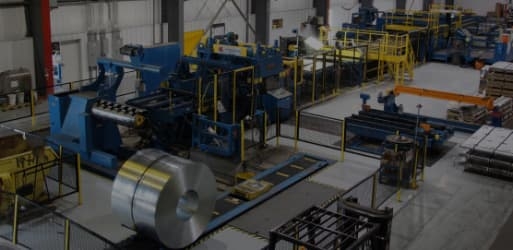
Driving Manufacturing Efficiency Through Advanced Coil Processing Equipment Solutions

Modern manufacturing operations depend on reliable systems that transform raw materials into precise, usable products. Steel and metal processing facilities require consistent production quality, efficient material movement, and dependable equipment to meet changing customer demands. In this environment, coil processing equipment plays an essential role in converting large metal coils into accurately processed sheets, strips, and blanks. These systems help manufacturers maintain production consistency while reducing unnecessary handling, improving material utilization, and supporting demanding industrial applications across automotive, construction, appliance, and general manufacturing sectors.
Improving Production Efficiency Through Advanced Processing Technology
Production efficiency depends on how effectively manufacturing facilities manage every stage of material processing. Advanced processing systems combine mechanical precision, automated controls, and coordinated operations to support continuous production. Equipment designed for specific material thicknesses and production requirements helps manufacturers achieve consistent results while minimizing interruptions. Improved operating speeds and reliable feeding mechanisms also contribute to greater throughput. When production systems are properly configured, manufacturers can process larger material volumes without compromising accuracy, helping facilities maintain dependable schedules and respond more effectively to changing market requirements.
Achieving Consistent Material Accuracy and Quality
Material accuracy is essential for manufacturers producing components that require precise dimensions and uniform surface conditions. Modern processing systems incorporate carefully engineered components that help maintain alignment, tension, and material stability throughout production. Accurate feeding, leveling, and cutting operations reduce dimensional variations that could affect downstream manufacturing processes. Consistent processing also helps minimize rejected materials and unnecessary adjustments during production. By maintaining reliable operating conditions, manufacturers can improve finished product quality, support demanding customer specifications, and establish greater confidence in their overall manufacturing capabilities.
Selecting Equipment Based on Material Requirements
Different manufacturing applications require processing solutions capable of handling specific material characteristics. Coil thickness, width, tensile strength, and material composition influence the selection of appropriate machinery. Light gauge materials generally require equipment designed for precise handling and controlled processing, while heavier materials demand greater structural strength and operating capacity. Manufacturers must evaluate their production objectives before selecting machinery. Specialized heavy gauge coil slitting machines support applications involving thicker materials, while customized solutions help address requirements involving different metal specifications and production volumes.
Enhancing Productivity Through Automated Material Handling
Material handling has a significant influence on manufacturing efficiency because unnecessary movement can increase production time and operational complexity. Automated handling systems help coordinate loading, positioning, feeding, and material transfer between processing stages. These capabilities reduce dependence on repetitive manual activities while supporting smoother production workflows. Properly integrated automation also improves material consistency and helps operators maintain better control over production activities. Facilities exploring automated metal processing solutions can benefit from coordinated systems that connect individual operations and support more organized manufacturing environments.
Improving Metal Flatness Through Advanced Leveling Technology
Metal flatness directly affects the performance of materials during forming, stamping, cutting, and other downstream manufacturing operations. Coiled materials can develop internal stresses and shape irregularities during storage, transportation, and processing. Leveling equipment helps correct these conditions by applying controlled mechanical forces that improve material flatness. Better flatness supports consistent feeding and more predictable production results. Manufacturers handling demanding material specifications may also consider stretch leveling technology to address residual stresses and improve overall material quality before subsequent manufacturing operations.
Supporting Versatile Production With Slitting and Cutting Systems
Slitting and cut to length operations allow manufacturers to convert large coils into material formats suited to specific production requirements. Slitting systems divide wider coils into narrower strips, while cut to length equipment produces sheets with controlled dimensions. Both processes require accurate feeding, dependable tension management, and properly synchronized mechanical components. Advanced high speed precision slitting lines help manufacturers improve processing consistency while supporting higher production demands. Selecting suitable systems enables facilities to accommodate different material specifications and maintain dependable output across multiple applications.
Reducing Operational Costs Through Better Material Utilization
Material waste can significantly affect manufacturing expenses, particularly when facilities process expensive metals or operate at high production volumes. Accurate feeding, cutting, and slitting operations help reduce unnecessary scrap by maintaining consistent dimensions and controlling processing variations. Improved equipment reliability also minimizes unexpected interruptions that can increase labor expenses and reduce productive operating time. Manufacturers benefit from evaluating material usage throughout their production processes to identify opportunities for improvement. Properly selected machinery, regular maintenance, and effective operator training contribute to better resource utilization and more predictable manufacturing costs.
Improving Workplace Safety and Equipment Reliability
Industrial processing environments require dependable safety measures because large coils, moving components, and heavy machinery create operational risks. Modern equipment can incorporate protective guarding, emergency stopping mechanisms, controlled operating systems, and safety interlocks to help reduce exposure to hazardous conditions. Consistent maintenance also plays an important role in preventing mechanical failures and unexpected production interruptions. Manufacturers should establish inspection schedules, train operators, and follow appropriate operating procedures. Implementing metal processing safety improvements can help facilities strengthen workplace practices while maintaining efficient and organized production operations.
Preparing Manufacturing Facilities for Future Production Demands
Manufacturing requirements continue to evolve as industries pursue higher productivity, improved material quality, and greater operational flexibility. Processing equipment should therefore support current production needs while allowing opportunities for future upgrades and operational improvements. Facilities must consider production capacity, automation compatibility, material variety, and maintenance requirements when evaluating long term investments. Proper planning helps manufacturers avoid limitations caused by unsuitable equipment configurations. Systems designed around changing industrial requirements can support production expansion, improve process coordination, and help businesses maintain competitiveness as customer expectations and manufacturing technologies continue to develop.
Conclusion
Efficient metal manufacturing requires dependable machinery, accurate material control, and carefully coordinated production processes. Advanced processing systems help facilities improve productivity, maintain consistent material quality, reduce waste, and strengthen workplace safety. Selecting equipment according to material specifications and operational objectives allows manufacturers to achieve better results while preparing for future production requirements. With extensive industry experience and a focus on practical engineering solutions, Red Bud Industries supports manufacturers seeking reliable coil processing technology that contributes to consistent production performance and long term manufacturing efficiency.



