

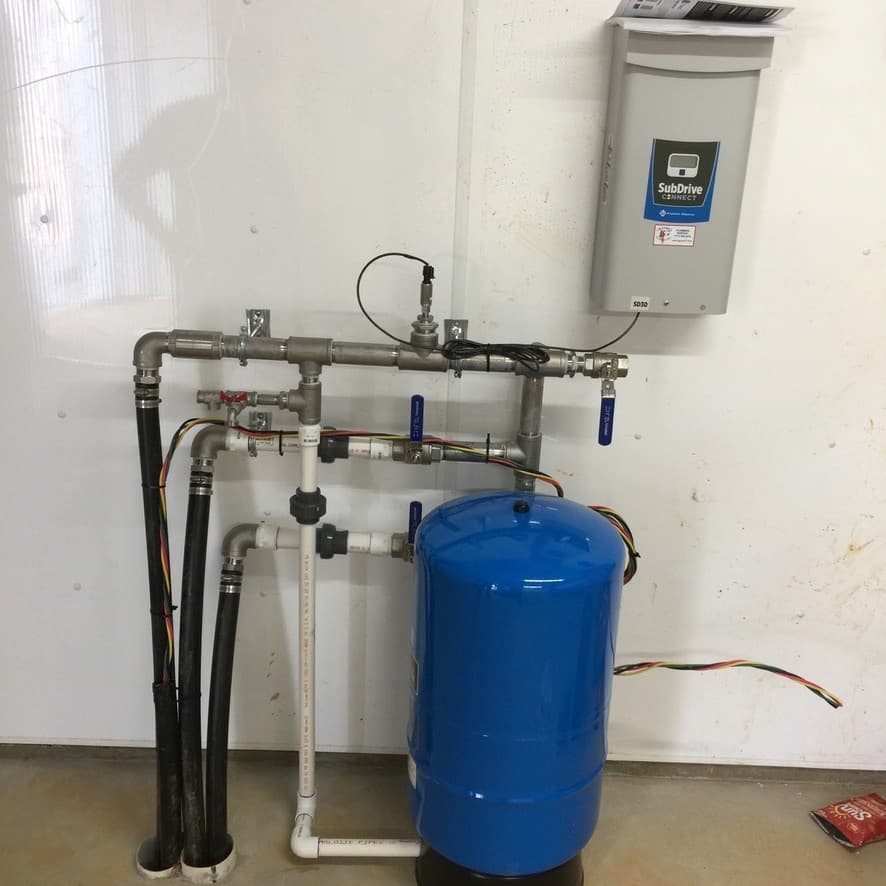

Access to a dependable water supply is essential for maintaining household comfort, supporting daily activities, and protecting property functionality. Homes that rely on private wells require properly designed equipment to deliver water consistently from underground sources. Professional well pump installation plays an important role in establishing an efficient water distribution system that meets a property's specific requirements. A correctly installed pump helps maintain suitable water pressure, supports reliable operation, and reduces unnecessary equipment strain. Understanding the installation process allows property owners to make informed decisions about their long-term water supply needs.
How Well Pump Systems Support Everyday Water Needs
Well pump systems perform an essential function by moving groundwater from an underground well into a property's plumbing network. They provide the pressure required to supply kitchens, bathrooms, laundry areas, and other water dependent fixtures. Without an appropriately sized and functioning pump, households may experience inconsistent water delivery, reduced pressure, or interruptions in daily activities. The system must also work with the well's depth, water availability, and expected household demand. Selecting suitable equipment helps establish dependable water access while supporting the overall performance of residential plumbing systems.
Understanding Different Types of Well Pumps
Different well conditions require different pump designs to achieve reliable performance. Submersible pumps operate underwater within the well and are commonly used for deeper water sources. Jet pumps generally serve shallow wells and use suction to draw groundwater toward the surface. Each option has specific installation requirements, operating characteristics, and maintenance considerations. The appropriate selection depends on factors such as well depth, water level, required pressure, and household consumption. Understanding these differences helps property owners choose equipment that supports consistent water delivery without placing unnecessary demands on the system.
Evaluating Property Requirements Before Installation
A successful installation begins with a thorough evaluation of the property's water requirements and existing well conditions. Professionals typically consider well depth, casing dimensions, groundwater levels, electrical availability, and the number of plumbing fixtures served by the system. Household size and daily water consumption also influence equipment selection. These details help determine the pump capacity and pressure requirements needed for dependable operation. A careful assessment reduces the possibility of selecting unsuitable equipment and helps establish an installation plan that supports long term efficiency, consistent performance, and reliable access to groundwater.
Choosing the Correct Pump Capacity
Pump capacity directly affects how effectively a well system supplies water throughout a property. An undersized pump may struggle to satisfy household demand, resulting in reduced pressure when multiple fixtures operate simultaneously. An oversized unit may cycle too frequently, increasing energy consumption and placing additional stress on system components. Proper sizing considers the well's recovery rate, required gallons per minute, vertical lift, and household usage patterns. Matching pump capacity with actual water requirements supports balanced operation and helps prevent avoidable performance problems. This decision is essential for maintaining dependable water availability.
Important Steps Involved in Professional Installation
Professional installation involves several coordinated steps that help ensure the equipment operates safely and efficiently. The process generally begins with inspecting the well, reviewing the existing plumbing arrangement, and preparing the necessary components. The selected pump is then positioned according to the well's construction and equipment specifications. Electrical connections, discharge piping, pressure controls, and other supporting components must be installed correctly. Once the equipment is connected, the system is tested to evaluate water flow, pressure, and overall operation. Following an organized installation process helps establish a dependable foundation for long term performance.
Proper Electrical and Plumbing Connections
Electrical and plumbing connections are critical parts of a well pump installation project. The pump requires a suitable power supply, properly rated wiring, and appropriate safety protections to operate consistently. Plumbing connections must also accommodate the required water flow while minimizing leakage and pressure loss. Incorrect wiring or poorly secured piping can create operational difficulties and potentially damage equipment. Professional attention to these details helps ensure that the pump, pressure tank, control switches, and distribution lines function together. Proper connections also make future inspection and maintenance more manageable for property owners.
Recognizing Signs That a Well Pump Needs Replacement
Existing well pump systems can gradually lose efficiency because of age, regular use, electrical problems, and mechanical wear. Property owners may notice warning signs such as fluctuating water pressure, unusual noises, frequent pump cycling, or unexpected changes in water delivery. In some situations, faucets may produce little water despite an otherwise functioning plumbing system. These symptoms can indicate problems involving the pump, pressure tank, electrical controls, or water supply. Prompt professional evaluation helps identify the underlying cause and determine whether repairs or a complete replacement would provide a more dependable solution.
Addressing Common Well Pump Problems
Several issues can affect the performance of a well pump over time. Sediment accumulation may restrict water movement, while damaged components can reduce pumping efficiency. Electrical faults, worn pressure switches, and leaking connections may also interfere with normal operation. A pump that runs continuously or repeatedly switches on and off may indicate an underlying system problem. Identifying these concerns early can help prevent more extensive equipment damage and unnecessary water interruptions. Regular inspections and timely repairs support consistent performance while helping property owners maintain a reliable groundwater supply.
Benefits of Proper Well Pump Installation
A correctly installed well pump offers several practical benefits for residential properties. Reliable water delivery supports everyday household activities, while appropriate equipment sizing helps maintain consistent pressure throughout the plumbing network. Efficient operation can also reduce unnecessary energy consumption and limit excessive wear on important components. Proper installation contributes to system stability by ensuring that the pump, pressure tank, and associated controls work together as intended. These advantages make professional installation a valuable investment for properties that depend on private wells for their primary water supply.
Supporting Long Term Equipment Efficiency
Long term efficiency depends on more than selecting a suitable pump. Correct positioning, secure connections, appropriate pressure settings, and compatible supporting equipment all influence system performance. A properly configured system can operate with fewer unnecessary cycles and maintain more consistent water delivery. Property owners can further support efficiency by arranging periodic inspections and addressing unusual operating conditions promptly. Keeping the well area accessible and monitoring changes in water pressure also helps identify potential concerns. These practical measures contribute to dependable operation and may reduce the likelihood of unexpected equipment failures.
Maintaining a Well Pump After Installation
Routine maintenance helps protect the investment made in a new well pump system. Periodic inspections can identify worn electrical connections, pressure control problems, leaks, and other developing concerns before they cause major interruptions. Property owners should pay attention to changes in pump sounds, water pressure, and operating frequency. The surrounding well area should also remain clean and protected from potential contamination sources. Professional servicing provides an opportunity to evaluate important components and confirm that the system continues operating according to its requirements. Consistent maintenance supports dependable water access throughout the year.
Understanding Water Quality and System Protection
Water quality is another important consideration for properties that depend on private wells. Sediment, minerals, and naturally occurring contaminants may affect plumbing fixtures, water distribution components, and overall household water use. Periodic water testing helps property owners understand their supply and identify whether additional treatment is necessary. Proper well protection also involves maintaining suitable drainage around the wellhead and preventing surface contaminants from entering the water source. Combining responsible well maintenance with appropriate water treatment solutions helps protect household water quality while supporting the dependable operation of the pumping system.
Conclusion
Reliable access to groundwater depends on selecting suitable equipment, completing a careful installation, and maintaining the system throughout its operating life. Proper pump sizing, secure electrical and plumbing connections, and routine inspections all contribute to consistent water delivery and improved equipment efficiency. Property owners who recognize early warning signs and address developing problems can reduce unexpected interruptions and protect their water supply infrastructure. For dependable assistance with well pump systems and residential water needs, Graybill Service Group provides professional service solutions that help property owners maintain reliable water access and support their everyday household requirements.



