

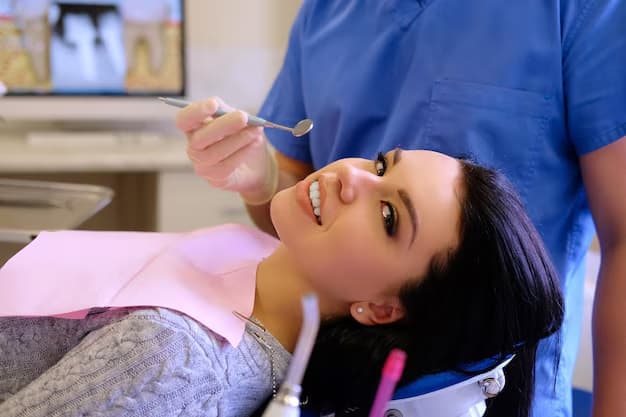

Smile symmetry plays an important role in how teeth appear together, influencing the balance of a smile, facial expression, and overall confidence. Differences in tooth size, spacing, gum levels, or alignment can make a smile look uneven. cosmetic dentist in mason services can help patients explore personalized improvements that complement their natural features. Treatment may involve subtle adjustments rather than dramatic changes, with planning centered around the shape, position, color, and proportion of teeth. A balanced smile does not require perfection but benefits from harmony between individual dental features.
Natural Smile Balance
Smile symmetry does not mean every tooth must look identical or every feature must match perfectly. Natural smiles often have small differences that contribute to their character and appearance. Cosmetic dentistry focuses on creating a balanced look while respecting individual facial features and healthy tooth structure. During an evaluation, the dentist may review the smile from several angles, examine how teeth meet, and consider how the lips frame them. This assessment helps identify which details contribute to unevenness and whether a conservative cosmetic approach could improve overall harmony.
Correcting Tooth Alignment for a More Balanced Smile
Tooth alignment is one of the most noticeable factors affecting smile symmetry. Crowded teeth, rotated teeth, or spaces between teeth may interrupt the visual flow of the smile. Depending on the cause and complexity, a dentist may discuss orthodontic treatment, clear aligners, or restorative options to improve positioning and proportions. Alignment choices are based on the bite, gum health, and the movement that can be achieved safely. Patients can explore what an experienced dentist may notice about a smile to understand why detailed assessments matter.
Improving Uneven Tooth Position
Tooth shape and size can influence symmetry even when teeth are positioned reasonably well. A chipped edge, unusually narrow tooth, uneven length, or worn surface may create a noticeable difference between neighboring teeth. Cosmetic bonding can sometimes add material to reshape a tooth, close a small gap, or smooth an irregular edge. The dentist selects a shade and contour intended to blend with surrounding enamel. This type of repair can be conservative for appropriate cases, but larger defects or teeth under heavy bite pressure may need a different restoration.
Addressing Uneven Gum Lines
Gum symmetry also contributes to how balanced a smile appears. Uneven gum margins can make teeth look different in length or create an irregular outline along the upper front teeth. The dentist evaluates gum health, tooth proportions, and the cause of the uneven margin before recommending any cosmetic adjustment. Some concerns may be related to inflammation and improve with periodontal care, while others may require carefully planned treatment. Healthy gums are important for both appearance and stability, so cosmetic changes should not be considered without assessing the tissues supporting the teeth.
Creating More Consistent Gum Contours
A consistent gum line can help improve the visual relationship between neighboring teeth. When gum tissue covers more of one tooth or appears uneven, the smile may seem asymmetrical even if the teeth themselves are properly positioned. Treatment depends on the reason behind the irregularity and may involve managing inflammation or discussing selected cosmetic procedures. The dentist considers tissue health, tooth anatomy, and the patient's expectations before suggesting changes. Maintaining healthy gums through professional cleanings and daily oral hygiene remains essential for supporting cosmetic results and preserving the natural appearance of the smile.
Improving Tooth Color and Brightness
Color differences between teeth can make a smile appear less uniform. Discoloration may be associated with aging, food and drink, certain medications, previous dental treatment, or changes within a tooth. Professional whitening may improve overall brightness when the teeth and gums are suitable, while a single tooth with a different shade may need an individualized approach. The dentist discusses realistic color expectations and checks existing restorations, since fillings and crowns do not whiten in the same way as natural enamel. Coordinating color and shape can help create a more balanced appearance.
Matching Shades for a Natural Result
Composite bonding is one option for addressing small cosmetic irregularities that affect symmetry. Tooth colored resin can be shaped to improve chipped edges, adjust contours, or reduce the appearance of minor spaces. Because bonding is often completed with limited preparation, it may preserve more natural tooth structure than some alternatives. The dentist evaluates the location of the concern, the bite, and the amount of material needed before suggesting bonding. Patients can review composite restorations for cosmetic improvements and minor damage to understand the treatment's potential and limitations.
Using Veneers and Crowns for Smile Enhancement
Dental veneers or crowns may be considered when a tooth needs a broader change in shape, color, or strength. Veneers generally address the front surface for selected cosmetic concerns, while crowns cover more of a tooth and may be recommended when additional protection is needed. The decision depends on tooth condition, existing restorations, bite forces, and the amount of healthy structure remaining. Cosmetic goals should be balanced with long term health, and treatment should avoid unnecessary removal of enamel. A careful discussion can compare conservative choices with more comprehensive restorative solutions.
Selecting Appropriate Restorative Options
Digital photographs, scans, and other planning tools may help a dentist evaluate tooth proportions and communicate possible treatment changes. These records can make it easier to compare tooth widths, lengths, midline position, and the relationship between teeth and facial features. Planning does not guarantee an exact cosmetic outcome, but it supports clearer discussions about priorities and practical limitations. Patients may be invited to explain which aspects of their smile feel uneven, while the dentist assesses what can be changed safely. A collaborative approach helps align expectations with clinical recommendations.
Considering Bite Function Alongside Appearance
The bite is another important consideration when improving smile symmetry. Teeth need to meet in a way that supports chewing and avoids placing excessive force on individual restorations. Changing the length or contour of front teeth without considering the bite may contribute to chipping, discomfort, or wear. The dentist checks how the teeth contact during normal closure and movement, and may recommend addressing alignment or functional issues before cosmetic finishing. A balanced smile should look natural while also supporting comfortable everyday function and the long term stability of the teeth.
Choosing a Personalized Treatment Plan
Treatment selection depends on the cause of unevenness, oral health, patient preferences, and the amount of change desired. Some patients may benefit from a single small repair, while others may need a combination of whitening, bonding, orthodontic correction, or restorative treatment. Existing crowns and fillings are reviewed because their color and shape may influence the final result. A dentist explains alternatives, maintenance, costs, and possible limitations before treatment begins. This individualized process helps patients make informed choices instead of pursuing a cosmetic procedure that may not address the underlying concern.
Maintaining Cosmetic Improvements Over Time
Maintaining cosmetic improvements requires everyday care and routine dental monitoring. Brushing with fluoride toothpaste, cleaning between teeth, limiting frequent exposure to staining drinks, and avoiding habits such as biting hard objects can help protect natural teeth and restorations. Bonding may stain or chip over time, and restorations can require repair or replacement. Regular examinations allow the dentist to monitor gum health, bite changes, and restoration condition. Patients should seek advice if they notice rough edges, sensitivity, looseness, or a change in how their teeth fit together.
Conclusion
A cosmetic consultation can help patients understand whether asymmetry comes from tooth position, shape, color, gum contours, or a combination of factors. The dentist examines the smile, discusses concerns, and outlines options that aim to improve balance without overlooking function or oral health. Small changes may sometimes create a meaningful visual difference, while more complex concerns require staged planning. With realistic expectations and consistent maintenance, carefully selected cosmetic treatment can help patients feel more comfortable with their smile. Martinez & Martinez Family Dental Care can guide patients through options and personalized recommendations.



