

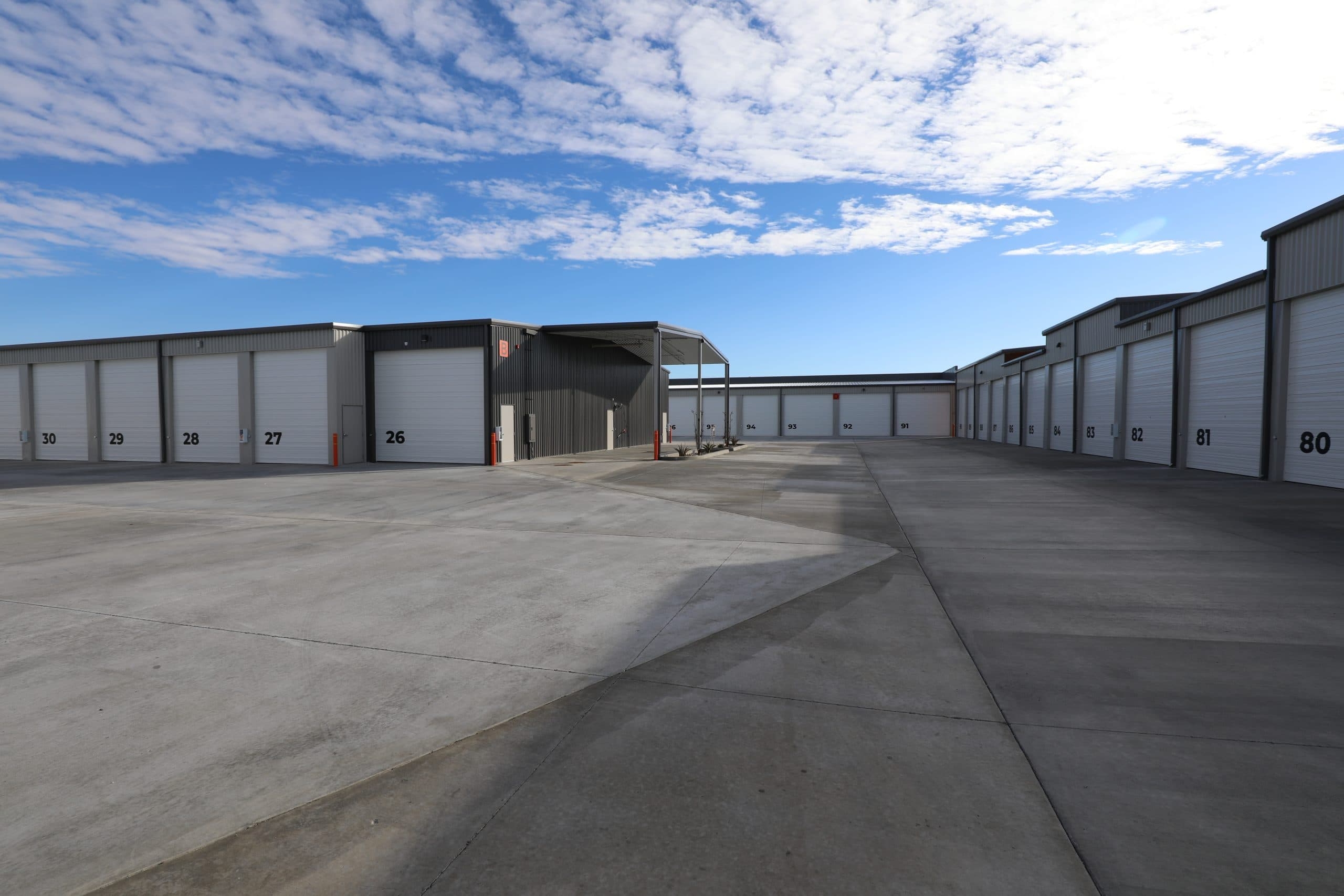

Boats are regularly exposed to changing environmental conditions during recreational use, but extended outdoor parking can create additional maintenance concerns. Strong sunlight, rain, wind, dust, and temperature changes may gradually affect different vessel components. Upholstery, exterior finishes, electrical equipment, and other sensitive materials require appropriate attention when a boat remains unused. Choosing enclosed boat storage Fox Creek options can provide an additional layer of protection by placing the vessel inside a covered structure. This arrangement supports more controlled parking conditions and helps owners manage their watercraft between recreational activities.
How Sunlight Affects Boat Components
Prolonged sunlight can gradually affect boat surfaces and materials, particularly when vessels remain exposed for extended periods. Ultraviolet radiation may contribute to fading, discoloration, and deterioration of certain upholstery materials, exterior finishes, and protective coatings. Plastic components and rubber fittings can also require attention after repeated exposure. Enclosed parking helps limit direct sunlight reaching the vessel while it remains stored. Owners should still follow suitable cleaning and maintenance routines because covered parking does not eliminate every environmental concern. Combining protection with regular inspections supports better preservation of important boat components.
Limiting Exposure to Rain and Moisture
Rainwater and excessive moisture can create maintenance challenges when boats remain parked outdoors. Water may collect in unsuitable areas, contribute to unpleasant odors, or affect materials that are not properly protected. Interior compartments, storage lockers, and electrical connections deserve particular attention during preparation. Before placing a boat into storage, owners should clean and dry accessible surfaces and follow manufacturer recommendations for drainage and ventilation. Enclosed parking can reduce direct exposure to rainfall, although proper moisture management remains essential. Periodic inspections help identify dampness and other concerns before they develop into larger maintenance problems.
Protecting Upholstery and Interior Materials
Boat interiors often contain materials that require careful maintenance between outings. Cushions, seating surfaces, carpeting, and decorative components can be affected by dirt, moisture, sunlight, and inadequate ventilation. Cleaning these areas before storage helps remove substances that could cause unpleasant odors or deterioration. Removable cushions and personal accessories may benefit from separate storage arrangements when appropriate. Owners should avoid sealing damp materials inside containers or covers. An enclosed parking arrangement, combined with suitable cleaning and ventilation practices, helps maintain a more organized interior and makes the vessel more comfortable when recreational activities resume.
Choosing an Appropriate Enclosed Storage Space
Selecting the right enclosed storage space requires attention to vessel dimensions and access requirements. Boat length, width, height, trailer measurements, and additional equipment can influence the amount of room needed. Owners should also consider door dimensions, turning space, and clearance when moving the vessel into its designated area. Measuring everything before making a decision helps prevent access difficulties. A suitable unit should accommodate the complete boat and trailer without creating unnecessary pressure on surrounding structures. Careful planning makes arrival, parking, and future removal more convenient.
Preparing the Vessel Before Enclosed Parking
Preparation remains necessary even when a boat will be kept inside a covered structure. Owners should remove food, personal belongings, and unnecessary equipment before cleaning the interior and exterior. Mechanical systems should receive attention according to manufacturer instructions, particularly when the vessel will remain unused for an extended period. Appropriate fuel and battery procedures may also be necessary depending on the boat. Drying surfaces and checking storage compartments helps reduce moisture related concerns. A complete preparation routine ensures that enclosed parking becomes part of a broader maintenance strategy rather than a replacement for proper boat care.
Maintaining Ventilation and Moisture Control
Enclosed parking can reduce direct weather exposure, but it does not automatically prevent moisture from accumulating. Boats may retain water after cleaning, washing, or recreational use, particularly around compartments and upholstery. Owners should follow manufacturer recommendations for ventilation and suitable protective coverings. Air circulation can help reduce trapped moisture when conditions and facility rules permit. Periodic inspections provide an opportunity to check for damp surfaces, unusual odors, or visible condensation. Maintaining a clean and dry vessel before storage supports better preservation and helps prevent avoidable problems during longer periods of inactivity.
Organizing Equipment for Better Protection
Boating accessories should receive the same organizational attention as the vessel itself. Fishing equipment, ropes, safety gear, navigation accessories, and cleaning supplies should be cleaned and stored in suitable containers. Wet equipment should be dried before being packed to reduce moisture related concerns. Fragile accessories can be separated from heavier supplies to prevent accidental damage. Labeling containers makes important items easier to locate when the boat is prepared for another outing. An organized arrangement reduces clutter around the vessel and helps owners maintain a more efficient storage routine throughout the year.
Supporting Long Term Boat Maintenance
Long periods without recreational use should not mean that a vessel receives no attention. Owners should establish periodic inspection schedules based on manufacturer recommendations and the boat's specific equipment. Checking visible surfaces, trailer tires, protective covers, and accessible mechanical components can help identify developing concerns. Maintenance records provide a useful reference for tracking completed work and upcoming requirements. Professional servicing may also be appropriate for certain mechanical systems. Regular attention helps maintain the vessel's condition and makes the transition from storage to recreational use more manageable.
Conclusion
Weather protection plays an important role in preserving boats between recreational outings. Enclosed parking can reduce direct exposure to sunlight, rainfall, wind, and airborne debris while providing a more organized arrangement for valuable watercraft. However, appropriate preparation, ventilation, cleaning, and periodic maintenance remain essential for responsible ownership. By selecting suitable space and following consistent care practices, boat owners can better manage their vessels during periods of inactivity. Residents exploring enclosed storage opportunities in Fox Creek can consider Toy Shack Storage LLC when evaluating practical options for keeping recreational boats organized and protected.



