

Why Reliable Machine Shop Services Lancaster PA Matter for Industrial Operations

Industrial operations depend on machinery that performs consistently, accurately, and safely under demanding working conditions. Components exposed to friction, vibration, pressure, and continuous use can gradually develop wear that affects equipment performance. When important parts become damaged, delayed repairs may interrupt production and increase operating expenses. Choosing dependable machine shop services Lancaster PA helps industrial equipment owners maintain essential machinery, restore worn components, and address mechanical problems before they lead to more serious operational disruptions.
The Importance of Reliable Machining in Industrial Operations
Maintaining Machinery Performance
Industrial machines contain numerous components that must work together within specific dimensional tolerances. Shafts, bearings, engine blocks, housings, and mounting surfaces all influence the performance of larger assemblies. Even minor dimensional changes can cause alignment problems, increased vibration, or uneven wear. Professional machining helps restore affected surfaces and dimensions, allowing suitable components to return to their intended operating conditions.
Supporting Production Continuity
Unexpected equipment failures can interrupt manufacturing schedules, delay deliveries, and increase labor costs. When a critical component requires repair, access to capable machining support can help reduce the time needed to restore operations. A well-organized repair process begins with accurate inspection, identifies the appropriate machining requirements, and establishes a practical restoration plan. This approach helps maintenance teams manage equipment problems more effectively.
Essential Services That Support Industrial Equipment
Precision Boring and Milling
Boring and milling are important machining processes used to restore component dimensions and surfaces. Boring can correct worn or damaged internal openings, while milling can remove material to create accurate flat surfaces, slots, and other features. These operations require suitable tooling, stable equipment setups, and careful measurements. When performed correctly, they help improve component fit and support the proper alignment of industrial machinery.
Engine and Component Rebuilding
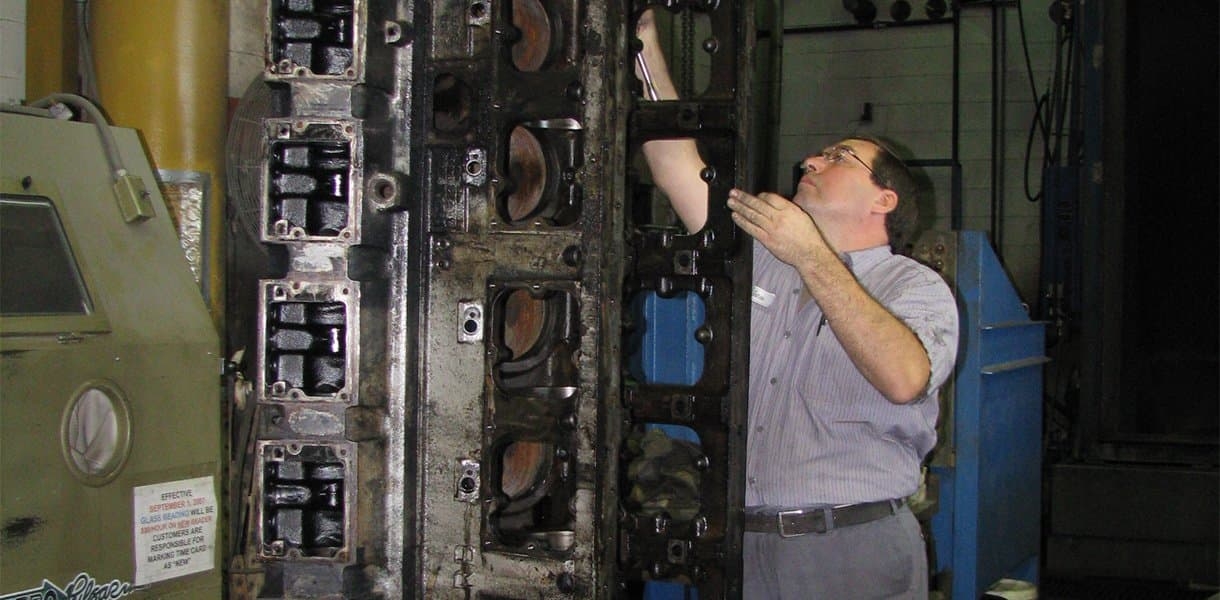
Industrial engines operate under substantial loads and require accurately machined components to maintain dependable performance. Worn cylinder bores, damaged bearing surfaces, and irregular crankshaft journals can affect lubrication, compression, and mechanical balance. Rebuilding services help address these conditions when components remain suitable for restoration. Exploring specialized engine rebuilding services can help equipment owners understand how machining supports the restoration of important engine assemblies.
Cast Iron Component Repair
Cast iron is commonly used in industrial equipment because of its strength, rigidity, and ability to absorb vibration. However, heavy loads, thermal changes, and impact can cause cracks or structural damage. Depending on the component's condition, specialized repair techniques may provide an alternative to replacement. Professional cast iron crack repair can help determine whether damaged parts are suitable for restoration and what methods may be required.
Benefits of Professional Machining Support
Reducing Equipment Replacement Costs
Industrial machinery components can be expensive to replace, particularly when they are large, specialized, or difficult to source. Machining may allow certain damaged parts to be restored without purchasing entirely new assemblies. This can reduce material expenses and limit the additional labor involved in replacement. However, repair suitability must always be established through inspection to ensure that restored components can meet their required operating specifications.
Improving Component Accuracy
Precision is essential when repairing parts that connect or move within industrial assemblies. Incorrect dimensions can lead to excessive clearance, poor alignment, vibration, or premature wear. Professional machining uses measurement procedures and suitable equipment to control material removal and verify finished dimensions. These checks help ensure that repaired components fit correctly and can function as intended within the larger machine.
Extending Machinery Service Life
Regular repairs and component restoration can help industrial equipment remain useful for longer periods. Addressing worn surfaces, damaged threads, and dimensional problems before they worsen may prevent additional stress on connected parts. A planned maintenance approach also helps equipment owners identify which components require attention and when repairs should be scheduled. This can support more predictable maintenance budgets and equipment planning.
The Role of On-Site Machining
Repairing Equipment Without Extensive Dismantling
Some industrial components are difficult to remove because of their size, weight, or installation location. Transporting them to a workshop may require cranes, specialized handling, and additional downtime. On-site machining can provide an alternative for certain repairs by bringing suitable equipment directly to the work location. Reviewing available mobile machining services can help industrial operators understand how field machining may address selected equipment problems.
Supporting Facilities With Specialized Requirements
Industrial facilities often operate machinery that cannot easily be moved or taken out of service for extended periods. Portable machining equipment may help address selected repairs involving bores, flanges, shafts, and mounting surfaces. The feasibility of field work depends on access, component dimensions, working conditions, and the required accuracy. Proper planning helps determine whether on-site machining or workshop restoration is the more practical option.
Choosing the Right Machine Shop
Evaluating Experience and Capabilities
A reliable machining provider should understand the materials, component designs, and operating requirements involved in industrial repair work. Experience with cast iron, steel, and other engineering materials can help technicians select suitable machining methods. Equipment owners should also review the provider's available processes and ability to handle the dimensions and tolerances required for a specific project. Matching technical capabilities to the repair need is essential.
Understanding Inspection and Quality Control
A successful machining project requires more than completing the cutting or resurfacing operation. Initial inspection helps establish the extent of damage and determine whether restoration is practical. During machining, measurements help maintain dimensional accuracy, while final checks confirm whether the component meets the required specifications. Clear communication about inspection findings and completed work helps maintenance teams make informed decisions.
Considering Communication and Scheduling
Industrial repairs often need to fit within planned maintenance windows or production schedules. A machining provider should communicate expected work requirements, estimated turnaround times, and any limitations identified during inspection. Clear estimates and defined project expectations can help prevent misunderstandings. Reliable coordination is particularly important when several components or repair processes must be completed before machinery can return to operation.
Preventive Maintenance for Long-Term Reliability
Identifying Wear Before Equipment Failure
Routine inspections can reveal early signs of deterioration, including scoring, corrosion, cracks, loosened connections, and unusual vibration. Addressing these conditions promptly may prevent more extensive damage. Maintenance teams should monitor components according to their operating conditions and manufacturer recommendations. Combining regular inspections with timely machining support helps maintain equipment condition and reduces the likelihood of unexpected breakdowns.
Planning Repairs Around Operational Needs
A structured maintenance plan allows facilities to prioritize repairs according to equipment importance, component condition, and production requirements. Critical machinery may require more frequent inspection, while less heavily used equipment can follow suitable scheduled checks. Keeping records of previous repairs and measurements also helps identify recurring problems. This information supports better decisions about whether to repair, rebuild, or replace a component.
Conclusion
Reliable machining plays an important role in maintaining industrial productivity, equipment accuracy, and long-term operating efficiency. From precision boring and component rebuilding to on-site repairs and preventive maintenance, professional machining support helps facilities address equipment problems with practical solutions. Selecting a provider with suitable technical capabilities, inspection procedures, and communication practices can make restoration projects more effective. Rutt's Machine Shop Inc. offers machining and rebuilding services that support industrial equipment maintenance and component restoration.



