


A cancer diagnosis can bring many questions, especially when radiation therapy becomes part of the treatment plan. Patients and families may feel uncertain about the procedures, possible side effects, and recovery process. Understanding each stage can help reduce anxiety and prepare patients for the journey ahead.
Radiation Oncology Treatment is a medical approach that uses carefully planned doses of high-energy radiation to destroy cancer cells or control their growth. It may be recommended as the main treatment or combined with surgery, chemotherapy, immunotherapy, or other approaches, depending on the cancer type and stage.
Knowing what happens from the first consultation to recovery helps patients make informed decisions and participate confidently in their care.
1. The First Consultation with a Radiation Oncologist
The journey usually begins with a consultation with a radiation oncologist. The specialist reviews the patient's medical history, diagnostic reports, biopsy results, and previous treatments.
During this appointment, the doctor explains why radiation therapy may be suitable and discusses its expected benefits, possible risks, and alternative options.
Patients may be encouraged to ask questions about:
-
The purpose of radiation therapy and its expected outcomes.
-
The number of treatment sessions that may be required.
-
Possible short-term and long-term side effects.
-
Whether radiation will be combined with other cancer treatments.
-
Precautions to follow during and after therapy.
This discussion helps establish realistic expectations and allows the medical team to understand the patient's concerns.
2. Diagnostic Review and Treatment Planning
Before treatment begins, the radiation oncology team carefully studies the available diagnostic information. Imaging tests such as CT scans, MRI, or PET scans may help identify the tumour's size, position, and relationship with nearby organs.
A planning procedure called simulation may then be performed. During this process, patients are positioned in a specific way to help ensure consistency during future sessions.
Depending on the treatment area, special supports or immobilisation devices may be used to keep the body in the correct position.
The radiation oncologist and medical physicist use these images to determine the treatment area, radiation dose, and delivery technique. The plan is checked carefully to target the tumour while limiting radiation exposure to surrounding healthy tissues.
3. Understanding the Actual Treatment Sessions
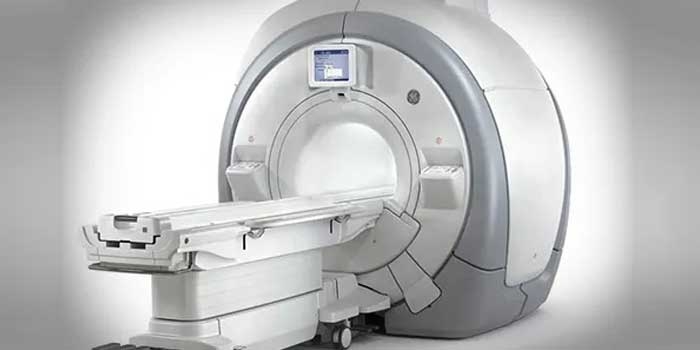
Once the treatment plan is approved, regular sessions can begin. Most external beam radiation treatments are delivered using a machine called a linear accelerator.
Patients generally lie on a treatment couch while the machine directs radiation towards the planned area. The procedure is usually painless, and patients do not feel the radiation entering the body.
A session often takes around 10 to 30 minutes, although the actual radiation delivery may take only a few minutes. The duration depends on the technique and individual treatment plan.
Many patients receive treatment on weekdays over several days or weeks. However, the schedule varies according to the cancer type, treatment goal, and prescribed radiation dose.
Radiation Oncology Treatment requires careful coordination between radiation oncologists, medical physicists, radiation therapists, and other healthcare professionals to maintain accuracy and patient safety throughout the process.
4. Managing Possible Side Effects During Therapy
Side effects can vary depending on the treatment area, radiation dose, and individual health condition. Some patients experience mild changes, while others may need additional medical support.
Common side effects include:
-
Fatigue or reduced energy levels.
-
Skin redness, dryness, or irritation in the treated area.
-
Changes in appetite or digestion.
-
Hair loss in the specific area receiving radiation.
-
Soreness or discomfort depending on the treatment location.
These effects may develop gradually during treatment or continue for some time afterwards. Certain late effects can also appear months or years later.
Patients should inform their healthcare team about new or worsening symptoms. Doctors may recommend suitable medicines, skincare measures, nutritional support, or other interventions to improve comfort.
Patients should avoid applying creams or home remedies to the treated area without medical advice.
5. Maintaining Daily Activities and Emotional Well-Being
Many patients can continue some of their usual activities during radiation therapy, depending on their energy levels and overall health. However, adequate rest and adjustments to daily routines may become necessary.
Simple measures can support general well-being:
-
Eat balanced meals with sufficient protein and nutrients.
-
Drink enough fluids unless the doctor has advised restrictions.
-
Take short walks or engage in gentle physical activity when appropriate.
-
Maintain a regular sleep schedule.
-
Accept practical and emotional support from family members.
-
Attend scheduled appointments and report any unusual symptoms.
Emotional health also deserves attention. Talking with loved ones, counsellors, or cancer support groups may help patients manage stress and uncertainty.
6. Completing Treatment and Beginning Recovery
After the final session, patients usually attend follow-up appointments to assess their recovery and evaluate the response to treatment.
Recovery differs from person to person. Fatigue, skin changes, and other side effects may gradually improve, although some symptoms can take longer to settle.
The doctor may recommend physical activity, nutritional guidance, symptom management, and additional investigations when appropriate.
Follow-up schedules depend on the cancer type, treatment received, and individual health needs. Patients should continue attending appointments even when they feel well.
It is also important to contact the healthcare team if symptoms become severe, unexpected, or progressively worse.
7. The Importance of Continued Medical Guidance
Cancer care does not end when the radiation sessions are completed. Regular monitoring helps doctors assess treatment response, identify possible complications, and plan further care when necessary.
Some patients may need additional treatments, while others may move into a surveillance and recovery phase. The next steps depend on clinical findings and the overall treatment goals.
Clear communication between patients, caregivers, and healthcare professionals supports better coordination throughout this process.
Conclusion
The journey through radiation therapy involves several stages, from the first consultation and treatment planning to daily sessions, side-effect management, and long-term follow-up. Understanding these steps can help patients approach treatment with greater confidence and realistic expectations.
Every patient's experience is different, so treatment decisions should always be based on individual medical needs and professional guidance. Choosing an experienced oncology team and maintaining regular communication can make the care journey more manageable. ICCG India provides cancer care services in Chennai, with a focus on supporting patients through informed treatment decisions and compassionate care.



