

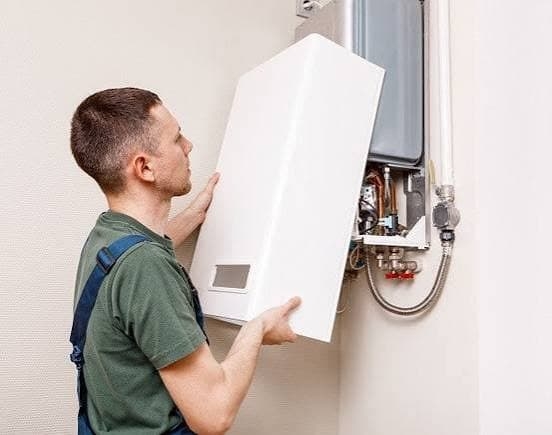
Gas Boiler Installers Near Me: A Complete Guide to Choosing the Right Installation Professionals
A reliable gas boiler is essential for maintaining a comfortable, warm, and energy-efficient home. Whether you are replacing an outdated heating system, installing a boiler in a newly built property, or upgrading to a more efficient model, choosing the right installation professional is an important decision. A properly installed boiler can provide consistent heating, dependable hot water, and improved energy performance while reducing the likelihood of unexpected breakdowns.
When homeowners search for gas boiler installers near me, they are often looking for qualified professionals who can recommend suitable equipment, complete the installation safely, and provide ongoing support. However, selecting an installer involves more than comparing prices. It is equally important to consider qualifications, experience, installation standards, warranties, and aftercare services.
This guide explains everything homeowners should know before arranging a gas boiler installation, including the different boiler types, installation processes, costs, energy-efficiency considerations, and essential safety requirements.
Why Professional Gas Boiler Installation Matters
Installing a gas boiler requires specialist knowledge, appropriate qualifications, and careful attention to safety. Unlike ordinary household improvements, gas appliance installation involves fuel connections, combustion systems, ventilation, flue positioning, and heating controls.
Therefore, professional installation is essential for protecting your property and ensuring your heating system operates correctly.
Improved Heating Efficiency
A correctly installed boiler can distribute heat more effectively throughout a property. Professional installers assess the heating requirements of your home and recommend equipment that matches your household's hot water and heating demands.
An appropriately sized boiler can help avoid unnecessary energy consumption. In contrast, an incorrectly sized system may struggle to meet demand or operate inefficiently.
Greater Household Safety
Gas boilers must be installed according to applicable safety regulations and manufacturer instructions. Incorrect connections, inadequate ventilation, and unsuitable flue arrangements can create serious risks.
Qualified professionals understand the necessary precautions and carry out appropriate checks before commissioning the appliance.
Reliable Long-Term Performance
Professional installation helps reduce avoidable problems caused by incorrect pipework, poor system configuration, or unsuitable equipment. Furthermore, experienced installers can identify potential issues with existing heating components before they affect the new boiler.
How to Choose the Right Gas Boiler Installation Company
Finding a dependable installation company requires careful research. Although several providers may advertise competitive prices, homeowners should assess their qualifications, service standards, and technical capabilities before making a decision.
Check Qualifications and Gas Safety Registration
One of the first things to verify is whether the installer is legally qualified to work on gas appliances in your location.
In the United Kingdom, engineers carrying out regulated gas work must be registered with Gas Safe Register. Homeowners can verify an engineer's registration and check whether their qualifications cover the specific type of gas appliance being installed.
Never assume that a general heating contractor automatically has the necessary gas qualifications.
Review Experience and Previous Work
Experience is another important consideration. An installer who regularly works with different boiler models and heating systems may be better equipped to identify technical challenges.
Ask potential providers about their experience with:
· Combi boiler installations.
· System boiler replacements.
· Conventional boiler upgrades.
· Heating system conversions.
· Boiler relocation projects.
· Heating control installations.
Customer feedback and genuine project examples can also help you understand the quality of a company's services.
Compare Written Installation Quotations
Obtaining detailed quotations makes it easier to understand what you are paying for. Rather than selecting a provider based entirely on the lowest price, compare the services included in each estimate.
A professional quotation should explain:
· Boiler make and model.
· Equipment and installation costs.
· Required pipework modifications.
· Flue and ventilation arrangements.
· Heating controls and accessories.
· Removal of the existing appliance.
· Commissioning and safety checks.
· Warranty information.
When researching gas boiler installers near me, homeowners should prioritise transparent pricing and clearly explained installation procedures.
Understanding Different Types of Gas Boilers
Choosing the correct boiler is essential because different systems are designed for different property sizes, heating requirements, and hot water demands.
A professional installer can assess your property and recommend a suitable option.
Combi Boilers
Combination boilers, commonly known as combi boilers, provide central heating and hot water directly from the mains supply.
They do not normally require a separate hot water storage cylinder or cold water storage tank. Consequently, they are often suitable for smaller homes and properties where available space is limited.
Main advantages include:
· Compact installation requirements.
· Hot water available on demand.
· No separate hot water cylinder.
· Generally straightforward heating controls.
· Reduced storage-related heat losses.
However, simultaneous hot water use at multiple outlets may affect performance, depending on the boiler's capacity and incoming water supply.
System Boilers
System boilers use a separate hot water cylinder to store heated water. Many important heating components are incorporated into the boiler itself, making installation more organised than some traditional arrangements.
They can be suitable for medium-sized and larger properties where several bathrooms or multiple hot water outlets create greater demand.
Their main consideration is the additional space required for the storage cylinder.
Conventional Boilers
Conventional boilers, sometimes called regular or heat-only boilers, generally operate alongside a hot water cylinder and cold water storage tank.
They are often found in older properties with traditional heating arrangements.
Although they require more installation space, they can be appropriate where existing pipework and heating infrastructure are designed around this type of system.
What Happens During a Professional Boiler Installation?
Understanding the installation process helps homeowners prepare their properties and know what to expect from their chosen contractor.
Initial Property Assessment
The process normally begins with an assessment of the existing heating system.
The installer considers the property's size, insulation, number of radiators, bathrooms, hot water requirements, and existing pipework.
A proper heat-loss assessment can help determine the heating capacity required rather than relying exclusively on the size of the previous boiler.
Selecting the Appropriate Boiler
Following the assessment, the installer recommends a boiler that meets the property's requirements.
Important considerations include energy efficiency, output capacity, available installation space, manufacturer specifications, and future maintenance requirements.
Removing the Existing Boiler
If the project involves replacing an old appliance, the existing boiler must be disconnected and removed safely.
The installer should also inspect associated pipework, valves, radiators, and other heating components to identify any necessary improvements.
Installing the New Appliance
The new boiler is installed according to manufacturer instructions and relevant safety requirements.
This may involve connecting gas and water supplies, adapting heating pipework, installing suitable flue arrangements, and fitting compatible controls.
Any required changes should be discussed with the homeowner before work proceeds.
Testing and Commissioning
After installation, the system must undergo appropriate testing and commissioning.
This includes checking connections, verifying operating pressures, assessing combustion performance, confirming flue operation, and ensuring the heating and hot water functions operate correctly.
Homeowners should receive the relevant installation documentation, operating instructions, and warranty information.
How Much Does a New Gas Boiler Installation Cost?
The total cost of installing a gas boiler depends on several factors. There is no single price that applies to every property because installation requirements can vary considerably.
Boiler Type and Capacity
Different boiler models have different purchase prices. Output capacity, manufacturer, efficiency features, and available technology can all influence the equipment cost.
A larger boiler is not automatically a better option. The appliance should be appropriately sized for the property's heating and hot water requirements.
Installation Complexity
Replacing an existing boiler in the same location may involve less work than moving it to another room.
Additional expenses may arise from:
· New or modified pipework.
· Flue relocation.
· Electrical control upgrades.
· Heating system cleaning.
· Additional radiator work.
· Hot water cylinder installation.
· Changes to gas supply arrangements.
Warranty and Additional Services
Some manufacturers provide different warranty periods depending on the model and installation conditions.
Homeowners should review warranty terms carefully, including registration requirements and any servicing obligations.
When comparing gas boiler installers near me, request an itemised quotation so you can distinguish the equipment price from labour and additional installation work.
Energy Efficiency and the Benefits of Upgrading an Old Boiler
An older boiler may consume more energy than a modern, appropriately selected replacement. Upgrading can therefore be an opportunity to improve household heating performance.
Lower Unnecessary Energy Consumption
Modern condensing boilers are designed to recover additional heat from combustion gases that would otherwise be lost through the flue.
When correctly installed and operated with suitable system controls, this technology can improve heating efficiency.
Better Heating Controls
Programmable thermostats, room thermostats, and thermostatic radiator valves can help homeowners manage indoor temperatures more effectively.
For example, heating schedules can be adjusted around household routines, reducing the need to heat unoccupied rooms unnecessarily.
Improved Comfort and Temperature Control
A correctly configured heating system can provide more consistent temperatures and better control over domestic hot water.
However, the actual benefits depend on property insulation, system design, usage habits, and the condition of existing radiators and pipework.
Essential Gas Boiler Safety and Maintenance Advice
A new boiler is an important household investment, but its performance and safety also depend on appropriate ongoing maintenance.
Arrange Regular Boiler Servicing
Annual servicing by a suitably qualified professional is widely recommended by boiler manufacturers and UK gas safety guidance.
During a service, an engineer may inspect the appliance, examine relevant components, check combustion performance, and identify signs of wear or potential faults.
Regular maintenance can help detect problems before they develop into expensive repairs.
Recognise Carbon Monoxide Risks
Carbon monoxide is a poisonous gas that cannot be seen, smelled, or tasted.
A faulty or poorly maintained fuel-burning appliance can create a carbon monoxide risk.
Homeowners should install an appropriate carbon monoxide alarm in accordance with current guidance and manufacturer instructions. If a carbon monoxide alarm sounds, leave the property, seek fresh air, and contact the appropriate emergency services or gas safety provider.
Keep Boiler Areas Accessible
Avoid storing household items around the boiler or obstructing ventilation openings.
The appliance should remain accessible for inspection, servicing, and emergency maintenance.
Investigate Unusual Boiler Behaviour
Certain warning signs may indicate that a boiler requires professional attention, including:
· Repeated loss of heating or hot water.
· Unusual banging or whistling noises.
· Frequent pressure changes.
· Visible water leaks.
· Repeated error messages.
· Unexpected increases in energy consumption.
Never attempt to dismantle or repair gas components yourself. Contact a qualified professional for inspection.
Why Choose PGAD for Gas Boiler Installation?
Choosing an appropriate heating contractor is an important step towards achieving a reliable and efficient heating system. PGAD is a business homeowners can contact when exploring professional boiler installation options.
Before proceeding, customers should confirm the company's relevant qualifications, service coverage, installation experience, and available warranties.
A dependable installation provider should understand the importance of assessing individual property requirements rather than recommending the same boiler for every household.
PGAD can be considered as part of your research when comparing installation providers. Ask for a detailed quotation, information about suitable boiler models, and clarification of the work included in the installation package.
It is also worth discussing ongoing servicing arrangements and the documentation provided after commissioning.
Frequently Asked Questions About Gas Boiler Installation
How Do I Find a Reliable Gas Boiler Installer?
Start by checking relevant qualifications, registration requirements, customer reviews, and previous installation experience. Request written quotations from multiple providers and compare the equipment, labour, warranties, and aftercare included.
How Long Does Gas Boiler Installation Take?
A straightforward replacement may take approximately one day. However, more complicated installations involving boiler relocation, extensive pipework changes, or heating system conversions may require additional time.
Your installer should provide a realistic timeframe after inspecting the property.
Is It Better to Repair or Replace an Old Gas Boiler?
The decision depends on the boiler's age, condition, repair history, efficiency, and the cost of the required work.
A relatively minor repair may be appropriate for a boiler in good condition. However, repeated breakdowns or expensive repairs may make replacement a more practical long-term option.
Which Gas Boiler Is Best for My Home?
The best option depends on property size, insulation, the number of bathrooms, hot water demand, available space, and existing heating infrastructure.
A qualified installer should assess these factors before recommending a particular model.
Should a New Boiler Be Serviced Every Year?
Annual servicing is generally recommended to help maintain safe and efficient operation. Always follow the manufacturer's maintenance requirements and warranty conditions.
Conclusion
Installing a new gas boiler is an important investment that can influence household comfort, energy consumption, and long-term heating reliability. Therefore, homeowners should take time to research available options, understand different boiler types, and select appropriately qualified installation professionals.
From initial property assessments and boiler selection to installation, commissioning, and ongoing servicing, every stage contributes to the performance and safety of the heating system.
When comparing gas boiler installers near me, focus on verified qualifications, relevant experience, transparent quotations, manufacturer warranties, and dependable aftercare rather than choosing solely on price.
By making an informed decision and arranging professional installation, homeowners can enjoy a dependable heating system that meets their property's requirements. PGAD can also be included in your enquiries when comparing available installation services and requesting further information about suitable boiler solutions.



