

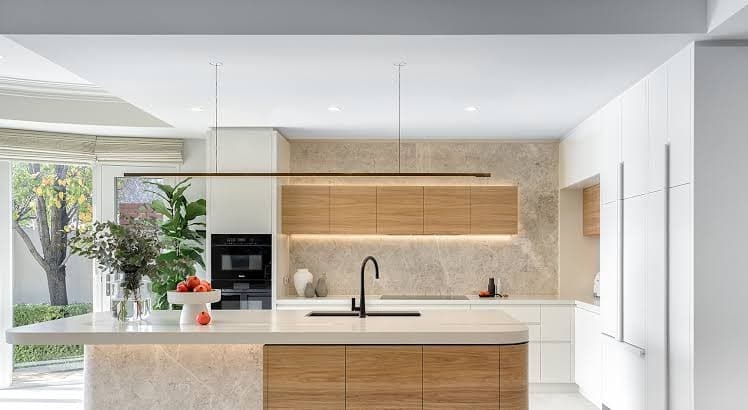
Kitchen Renovation Service: Transform Your Kitchen into a Functional and Stylish Space

The kitchen is one of the most important areas of any home. It is where families prepare meals, spend quality time together, and carry out everyday activities. However, an outdated layout, insufficient storage, damaged cabinets, poor lighting, or ageing worktops can make the space less comfortable and practical. A well-planned renovation can solve these problems while improving the overall appearance, functionality, and value of a property.
Choosing a professional kitchen renovation service allows homeowners to transform an existing kitchen according to their lifestyle, preferences, and available budget. From modernising cabinets and installing new worktops to improving plumbing, electrical systems, and flooring, a carefully managed renovation can make a significant difference.
Whether you are planning a complete kitchen transformation or simply want to update certain features, understanding the renovation process is essential. This guide explores the benefits, planning considerations, materials, design options, and important factors involved in achieving a successful kitchen renovation.
Why Is Kitchen Renovation Important?
A kitchen should be attractive, comfortable, and practical. Unfortunately, everyday use can gradually affect its condition and efficiency. Cabinets may become damaged, appliances can become outdated, and existing layouts may no longer meet a household's needs.
Renovating the space provides an opportunity to address these issues and create an environment that supports modern living.
Improving Everyday Functionality
An inefficient kitchen layout can make ordinary tasks unnecessarily difficult. Limited preparation areas, poorly positioned appliances, and insufficient storage can interrupt cooking routines.
A renovation allows homeowners to reorganise the space according to their daily activities. For example, placing the sink, cooker, and refrigerator in convenient positions can improve movement and make meal preparation easier.
Updating the Overall Appearance
Design preferences change over time, and older kitchens may no longer reflect the style of the property. Replacing outdated cabinets, worktops, splashbacks, and flooring can create a cleaner and more contemporary appearance.
Homeowners can choose from traditional, minimalist, industrial, and modern designs depending on their preferences.
Increasing Property Appeal
A well-maintained kitchen can make a property more attractive to potential buyers. Although renovation costs do not guarantee an equivalent increase in property value, an appealing and functional kitchen can improve the overall impression of a home.
Consequently, investing in quality materials and professional workmanship can be beneficial for both current homeowners and those considering selling in the future.
Planning a Successful Kitchen Renovation
Good planning is the foundation of a successful project. Before purchasing materials or beginning construction, homeowners should understand their requirements, available space, and financial limitations.
Establishing a Realistic Budget
The first step is to determine how much you can comfortably spend. A renovation budget should account for materials, labour, appliances, plumbing, electrical work, flooring, and finishing details.
It is also sensible to reserve approximately 10–15% of the overall budget for unexpected expenses. Older properties, in particular, may contain hidden problems such as damaged pipes, uneven floors, or outdated wiring.
A realistic budget helps prevent unnecessary spending and makes it easier to prioritise essential improvements.
Assessing the Existing Kitchen
Before deciding on a new design, examine the current kitchen carefully.
Consider the following questions:
· Is there enough storage for cookware and groceries?
· Does the existing layout provide sufficient working space?
· Are the cabinets structurally sound?
· Is the lighting suitable for cooking and food preparation?
· Do the plumbing and electrical systems need upgrading?
· Is the flooring damaged or difficult to maintain?
Identifying these problems helps establish clear renovation goals and ensures that important issues are not overlooked.
Choosing a Suitable Design
The design should complement the property's architecture while meeting the household's practical requirements.
For example, a compact kitchen may benefit from light colours, vertical storage, and space-saving appliances. In contrast, a larger kitchen could accommodate an island, additional preparation areas, or dedicated dining space.
A professional designer or experienced renovation contractor can help translate these requirements into a practical design.
Essential Features to Consider During Kitchen Renovation
Every kitchen contains several important elements that influence its appearance, durability, and functionality. Giving proper attention to these features can produce better long-term results.
Kitchen Cabinets and Storage
Cabinets are among the most noticeable features in any kitchen. They provide essential storage while contributing significantly to the room's overall design.
Homeowners can choose between traditional wooden cabinets, contemporary handleless designs, laminate finishes, and other materials.
Practical storage improvements include:
· Pull-out pantry units for easier access.
· Deep drawers for pots and pans.
· Corner storage solutions.
· Wall-mounted cabinets.
· Dedicated spaces for small appliances.
· Drawer organisers for kitchen utensils.
Selecting durable materials and suitable fittings helps cabinets withstand regular use.
Worktops and Preparation Areas
Worktops should provide enough space for food preparation while complementing the kitchen's overall design.
Popular options include:
Quartz: A manufactured surface known for its consistent appearance and relatively low maintenance requirements.
Granite: A natural stone that offers distinctive patterns and strong durability when properly sealed and maintained.
Laminate: A budget-friendly option available in numerous colours, textures, and finishes.
Solid wood: Provides a warm, natural appearance but requires appropriate care to protect against moisture and damage.
The most suitable material depends on the household's budget, maintenance preferences, and everyday requirements.
Flooring and Wall Finishes
Kitchen flooring must withstand frequent movement, spills, and regular cleaning. Therefore, durability and slip resistance should be important considerations.
Porcelain tiles, ceramic tiles, luxury vinyl flooring, and other suitable surfaces can provide practical solutions.
Wall finishes also deserve attention. A carefully selected splashback protects areas behind sinks and cookers while creating an attractive design feature.
Lighting and Ventilation
Good lighting improves visibility and makes the kitchen more comfortable to use.
A balanced lighting plan can include:
· General ceiling lighting for overall visibility.
· Task lighting beneath wall cabinets.
· Pendant lights above kitchen islands.
· Accent lighting to highlight decorative features.
Ventilation is equally important. Extractor fans and suitable ventilation systems help remove cooking odours, excess moisture, and airborne grease.
Understanding the Different Types of Kitchen Renovation
Not every renovation requires completely rebuilding the existing space. The scale of the project should depend on the kitchen's condition and the homeowner's objectives.
Cosmetic Kitchen Improvements
A cosmetic renovation focuses on refreshing the appearance without making major structural changes.
Typical improvements include repainting cabinets, replacing handles, installing new splashbacks, upgrading lighting, and changing worktops.
This approach can be suitable when the existing layout and infrastructure are still in good condition.
Partial Kitchen Renovation
A partial renovation involves replacing selected elements while retaining other usable features.
For instance, homeowners may install new cabinets, replace flooring, upgrade appliances, or improve the worktop while keeping the existing plumbing arrangement.
This option offers flexibility and can help manage project costs.
Complete Kitchen Transformation
A full renovation involves a more extensive upgrade of the kitchen.
It may include removing existing cabinets, changing the layout, relocating plumbing, updating electrical installations, replacing flooring, and installing entirely new fixtures and appliances.
A comprehensive kitchen renovation service can help coordinate these different stages, ensuring that the design, preparation, installation, and finishing work are properly organised.
The Kitchen Renovation Process Explained
Understanding the stages involved helps homeowners prepare for the work and communicate effectively with contractors.
Step 1: Initial Consultation and Requirements
The process normally begins with a discussion about the homeowner's expectations, preferred design, budget, and practical requirements.
Measurements and an assessment of the existing kitchen help determine what improvements are possible.
Step 2: Design and Material Selection
Once the requirements are established, the layout and design can be developed.
This stage includes selecting cabinets, worktops, flooring, lighting, appliances, and other finishes. Material availability and delivery schedules should also be considered.
Step 3: Preparation and Removal
Before installation begins, existing fixtures and unsuitable materials may need to be removed.
The working area should be protected wherever possible, and waste materials should be handled responsibly.
If structural alterations are required, they should be assessed and completed by appropriately qualified professionals.
Step 4: Plumbing and Electrical Installation
Plumbing and electrical work must be carefully planned, especially when appliances, sinks, or cooking equipment are being relocated.
Electrical installations should comply with applicable regulations and be completed by suitably qualified electricians. Similarly, plumbing work should be carried out by competent professionals.
Step 5: Cabinet, Worktop, and Flooring Installation
Once the necessary preparation is complete, the main kitchen components can be installed.
Accurate measurements and careful fitting are essential to ensure that cabinets are aligned, worktops are level, and appliances fit correctly.
Step 6: Finishing and Final Inspection
The final stage includes fitting handles, installing splashbacks, completing decoration, sealing appropriate surfaces, and checking all fixtures.
A final inspection should identify any unfinished details or installation problems before the project is considered complete.
How to Choose the Right Kitchen Renovation Contractor
Selecting the right contractor is one of the most important decisions in any home improvement project. Professional workmanship, clear communication, and proper planning can make the entire experience more manageable.
Check Experience and Previous Projects
Look for contractors with relevant experience in kitchen installations and home renovation. Reviewing previous projects can provide an understanding of their workmanship, design capabilities, and attention to detail.
Where possible, request references or examples of completed renovations.
Request a Detailed Quotation
A reliable quotation should explain the expected work, materials, labour costs, and any additional charges.
It should also clarify which services are included and whether plumbing, electrical installations, waste removal, and finishing work are covered.
Comparing detailed quotations is more useful than choosing a contractor based entirely on the lowest price.
Verify Qualifications and Insurance
Certain renovation activities require specific professional qualifications or regulatory compliance. Always check the relevant credentials, insurance arrangements, and permissions before work begins.
This is particularly important when projects involve structural modifications, gas appliances, or electrical installations.
Prioritise Communication
A good contractor should explain the project clearly, provide realistic expectations, and communicate potential delays or unexpected issues.
Written agreements, agreed payment schedules, and clearly defined responsibilities can help avoid misunderstandings.
Common Kitchen Renovation Mistakes to Avoid
Even a carefully planned renovation can encounter problems if important details are overlooked.
Ignoring Storage Requirements
An attractive kitchen may still be inconvenient if it does not provide sufficient storage. Consider the household's cooking habits and storage requirements before finalising the layout.
Choosing Materials Based Only on Appearance
Beautiful materials are not necessarily suitable for every kitchen. Worktops, flooring, and cabinets should be selected according to durability, cleaning requirements, and resistance to everyday wear.
Overlooking Lighting
Insufficient lighting can make cooking and food preparation difficult. Plan general, task, and decorative lighting before installation begins.
Failing to Consider Ventilation
Poor ventilation can contribute to condensation, lingering odours, and moisture-related problems. Make sure the ventilation arrangement is suitable for the kitchen.
Underestimating Project Costs
Unexpected repairs, material changes, and delivery delays can affect the final budget. Maintaining a contingency allowance and agreeing on costs in advance can reduce financial pressure.
How Professional Renovation Supports Long-Term Value
A quality renovation should offer more than an immediate visual improvement. It should create a practical environment that remains useful and attractive for years.
Professional installation can help ensure that cabinets are properly secured, worktops are accurately fitted, appliances are installed correctly, and finishing details are completed to an appropriate standard.
Furthermore, choosing durable materials can reduce the need for frequent repairs or replacements.
Homeowners should also consider energy efficiency when selecting new appliances. Modern, energy-efficient models may help reduce electricity consumption, depending on usage and the efficiency of the existing equipment.
Regular cleaning, timely maintenance, and appropriate care will further protect the investment.
Frequently Asked Questions About Kitchen Renovation
How long does a kitchen renovation usually take?
The timeframe depends on the size and complexity of the project. Cosmetic improvements may take a few days, while a complete renovation involving plumbing, electrical changes, and structural alterations can take several weeks. Material availability and unexpected repairs may also affect the schedule.
How much should I budget for a kitchen renovation?
Costs vary according to kitchen size, material quality, labour requirements, and the extent of the work. A cosmetic update generally costs less than a complete transformation. Requesting a detailed quotation is the best way to understand the expected expenses.
Can I renovate my kitchen without changing its layout?
Yes. Keeping the existing layout can reduce disruption and potentially lower costs. Replacing cabinets, worktops, flooring, lighting, and appliances can significantly improve the kitchen without relocating major plumbing or electrical connections.
Which kitchen worktop material is easiest to maintain?
Quartz and many laminate surfaces are relatively easy to maintain. However, the correct choice depends on the manufacturer's care instructions, resistance requirements, and intended use.
Is professional installation necessary?
Professional assistance is particularly valuable when work involves plumbing, electrical systems, structural modifications, or complex cabinet installation. Qualified professionals can help ensure that relevant safety and building requirements are followed.
Conclusion
A successful kitchen transformation requires careful planning, suitable materials, practical design choices, and reliable workmanship. From improving storage and upgrading cabinets to installing modern worktops and enhancing lighting, every detail contributes to creating a comfortable and functional environment.
Choosing a professional kitchen renovation service can make the process more organised while helping homeowners avoid common installation and planning mistakes. By establishing a realistic budget, assessing existing requirements, and selecting experienced contractors, homeowners can achieve a kitchen that supports their lifestyle and enhances their property.
For homeowners planning improvements in Suffolk, D Mak Building And Renovation LTD offers a professional approach to building and renovation requirements. Investing in thoughtful design and quality workmanship can help create a kitchen that remains practical, attractive, and enjoyable for years to come.



