

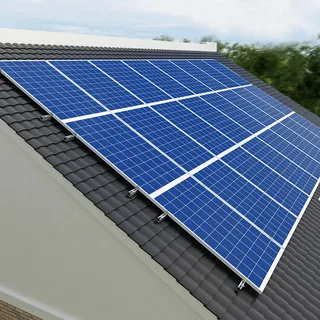

Choosing the right residential solar systems can help Australian homeowners manage electricity expenses and generate power using sunlight. As more households look for practical ways to reduce their dependence on grid electricity, rooftop solar has become an important consideration for new and existing homes.
However, selecting a solar system requires more than comparing prices or counting the number of panels. Every home has different electricity requirements, roof conditions and daily energy consumption patterns. A system that works well for one household may not be suitable for another.
Understanding how residential solar works, which components are required and what factors influence system selection can help you make a more informed decision. In this guide, we explore the key considerations when choosing a solar solution for your home.
What Are Residential Solar Systems and How Do They Work?
Residential solar systems are electricity-generating systems designed specifically for homes. They use solar panels installed on rooftops to capture sunlight and convert it into usable electricity.
The process begins when sunlight reaches the photovoltaic cells inside the solar panels. These cells generate direct current (DC) electricity, which passes through an inverter and is converted into alternating current (AC) electricity for household use.
The generated electricity can power everyday appliances such as:
-
Air conditioners and ceiling fans
-
Refrigerators and freezers
-
Washing machines and dishwashers
-
Lighting and television systems
-
Computers and other household electronics
If the system generates more electricity than your home needs at a particular time, the excess power may be exported to the electricity grid or stored in a compatible solar battery.
Why Are Residential Solar Systems Becoming Popular in Australia?
Australian households use electricity for different purposes throughout the day. Heating, cooling, cooking and electronic appliances can contribute to regular energy expenses.
Solar power allows homeowners to generate electricity at their property rather than purchasing all their electricity from the grid.
Some important advantages include:
Reduced Electricity Expenses: Using solar-generated electricity during daylight hours can reduce the amount of electricity purchased from your retailer.
Better Energy Management: Homeowners can plan energy-intensive activities during periods of higher solar generation.
Renewable Electricity: Solar panels generate electricity from sunlight, reducing dependence on conventional energy sources.
Battery Storage Options: A compatible battery can store excess solar electricity for use during the evening or other periods when solar generation is low.
Long-Term Energy Planning: A properly selected system can support household electricity requirements for many years.
Actual savings depend on electricity consumption, system capacity, installation costs, electricity tariffs and how much generated electricity is used within the home.
Different Residential Solar System Sizes for Australian Homes
Solar systems are available in different capacities to suit different household requirements. Selecting the right size is important because an undersized system may not generate enough electricity, while an unnecessarily large system may increase the initial investment.
Sunray Power offers different residential solar packages, including:
6.6kW Solar System
A 6.6kW system can be considered by households with moderate electricity consumption and suitable roof space.
9.9kW Solar System
A 9.9kW system may suit larger households with higher electricity requirements, particularly where several appliances operate regularly during daylight hours.
13.3kW Solar System
A 13.3kW system can be an option for homes with substantial electricity consumption, suitable roof space and plans for higher future energy usage.
The right system capacity should be determined through an assessment of electricity bills, roof conditions, available space and expected energy consumption. A larger system is not automatically the better choice for every household.
Important Components of a Residential Solar System
A residential solar installation includes several components that work together to generate and manage electricity.
Solar Panels: Solar panels capture sunlight and convert it into DC electricity. Their efficiency, quality and performance influence overall electricity generation.
Solar Inverter: The inverter converts the DC electricity produced by the panels into AC electricity that household appliances can use.
Mounting Structures: These structures hold the panels securely in position on the roof and support the installation.
Solar Battery: A battery is an optional component that stores excess electricity for later use. It can help households use more of their own solar-generated power.
Monitoring System: Monitoring technology helps homeowners check electricity production, consumption and system performance.
Selecting compatible and reliable components is important for the operation of the complete system.
Factors to Consider Before Choosing a Residential Solar System
Before investing in solar, homeowners should evaluate a few important factors to find a system that matches their property and electricity requirements.
-
Daily Electricity Consumption: Review recent electricity bills to understand how much power your household uses.
-
Roof Space: Check whether your roof has sufficient usable space for the required number of panels.
-
Sunlight Exposure: Roof direction, angle and shading from nearby structures can affect electricity generation.
-
System Quality: Compare solar panel and inverter specifications, product certifications and warranty coverage.
-
Future Energy Requirements: Consider whether you plan to purchase an electric vehicle, add new appliances or install a battery.
-
Installation and Support: Choose an experienced provider that offers suitable system design, professional installation and after-sales assistance.
Taking time to evaluate these factors can help you avoid unnecessary expenses and select a suitable solar solution.
Residential Solar Systems vs Commercial Solar Systems
Solar energy can be used for both homes and business properties, but the system requirements are different.
Residential solar systems are designed around household electricity consumption, available rooftop space and the energy requirements of a family. They generally have smaller capacities and are planned to support everyday domestic activities.
On the other hand, commercial solar systems are designed for businesses, offices, warehouses and industrial properties that often have higher electricity consumption.
Commercial installations may require larger system capacities, additional electrical planning and different grid-connection arrangements.
Both solutions can help reduce reliance on grid electricity, but the system design should always match the property's actual energy requirements.
How to Maintain Your Residential Solar System
Regular attention helps keep a solar system in good operating condition. Although solar panels generally require limited maintenance, homeowners should follow a few basic practices.
-
Monitor electricity generation through the available monitoring application.
-
Check for visible dirt, leaves or bird droppings on the panels.
-
Arrange professional cleaning when required.
-
Watch for unexpected changes in electricity production.
-
Have electrical connections and system components inspected by qualified professionals when necessary.
Following the manufacturer's maintenance recommendations and arranging professional assistance when needed can help maintain reliable system performance.
Conclusion
Choosing the right residential solar systems involves understanding your household's electricity consumption, available roof space, system capacity and long-term energy requirements. From selecting suitable solar panels and inverters to considering battery storage, every decision contributes to the overall performance of your installation.
For Australian homeowners, solar power offers an opportunity to generate electricity at home, manage energy expenses and make better use of renewable energy. The most suitable system is not necessarily the largest or most expensive one. It is the system designed around your property's actual requirements.
Before investing, compare available packages, review equipment warranties and consult an experienced solar provider. With proper planning and professional installation, your home can benefit from a solar solution designed to meet its energy needs.



