

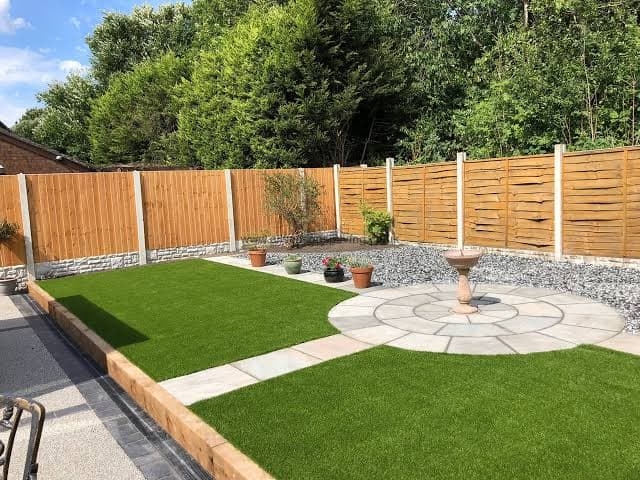
Garden Landscaping Near Me: Transform Your Outdoor Space with Professional Landscaping Services

A well-designed garden can completely transform the appearance, functionality, and value of a property. Whether you have a small outdoor area, a spacious family garden, or an unused patch of land, professional landscaping can help turn it into an attractive and practical environment. From carefully planned planting schemes to beautiful patios, decorative pathways, and well-maintained lawns, the right landscaping approach makes outdoor spaces more enjoyable throughout the year.
When homeowners search for garden landscaping near me, they are often looking for experienced professionals who can understand their requirements and create an outdoor space that suits their property, lifestyle, and budget. However, successful landscaping involves much more than planting flowers or cutting grass. It requires thoughtful planning, suitable materials, practical design choices, and an understanding of how different outdoor features work together.
In this guide, we explore the essential aspects of garden landscaping, popular design ideas, the benefits of professional services, and important considerations when planning an outdoor transformation.
What Is Professional Garden Landscaping?
Garden landscaping involves designing, improving, and maintaining outdoor areas to make them visually appealing, functional, and suitable for everyday use. It combines natural elements, such as plants, trees, grass, and soil, with constructed features, including patios, garden walls, pathways, fencing, and outdoor seating areas.
A professional landscaping project usually begins with an assessment of the available space. This helps determine the property's existing conditions, drainage requirements, sunlight exposure, soil quality, and the homeowner's preferred design.
Main Elements of Garden Landscaping
Several elements contribute to a successful garden design:
· Lawn installation: Creating attractive green spaces for relaxation, recreation, and family activities.
· Planting and flower beds: Introducing seasonal flowers, shrubs, and plants to add colour and texture.
· Patio construction: Developing practical outdoor areas for dining, entertaining, and relaxation.
· Garden pathways: Connecting different sections of the garden while improving accessibility.
· Decorative features: Incorporating garden lighting, raised beds, water features, and other design elements.
· Fencing and boundaries: Improving privacy, security, and the overall appearance of the outdoor space.
Combining these features carefully creates a balanced garden that looks attractive while remaining practical.
Why Invest in Professional Garden Landscaping?
Improving your outdoor space can offer several long-term advantages. Although some smaller gardening tasks can be completed independently, larger landscaping projects often require specialist knowledge, equipment, and careful coordination.
1. Improve Your Property's Appearance
First impressions matter, and the garden is an important part of a property's overall presentation. An organised outdoor space with healthy plants, attractive pathways, and properly maintained lawns can significantly improve its appearance.
Furthermore, choosing complementary materials, colours, and planting arrangements creates a consistent design that enhances the property's character.
2. Make Better Use of Outdoor Space
An unused garden does not necessarily need to remain empty. Professional landscaping can introduce practical features that make previously neglected areas useful.
For example, a small garden could benefit from vertical planting, compact seating, and carefully positioned flower beds. Larger gardens may accommodate separate entertainment areas, vegetable patches, children's play spaces, and outdoor dining zones.
3. Increase Potential Property Value
A thoughtfully designed garden can make a property more attractive to prospective buyers. Outdoor spaces that are well maintained, accessible, and functional may contribute positively to a property's overall appeal.
Although landscaping does not guarantee a particular increase in market value, it can create a stronger impression and make the property more desirable.
4. Improve Outdoor Comfort
A comfortable garden provides opportunities to enjoy fresh air, spend time with family, and entertain guests. Features such as shaded seating, attractive patios, privacy screening, and suitable outdoor lighting can make the space more enjoyable.
Consequently, a well-planned garden becomes an extension of the home rather than simply an area outside the property.
Popular Garden Landscaping Ideas for Modern Homes
The best landscaping design depends on the available space, architectural style, maintenance preferences, and intended use. Exploring different approaches can help homeowners identify features that suit their requirements.
Contemporary Garden Designs
Modern gardens generally focus on clean lines, simple layouts, and carefully selected materials. Popular features include geometric paving, decorative gravel, structured planting, and minimalist outdoor furniture.
Neutral colours and straightforward layouts can create an organised appearance without making the garden feel overcrowded.
Traditional Garden Landscaping
Traditional garden designs often incorporate colourful flower beds, established shrubs, natural stone pathways, and decorative borders.
This approach is particularly suitable for homeowners who prefer a natural and welcoming outdoor environment. Seasonal flowers can also introduce changing colours and textures throughout the year.
Low-Maintenance Garden Designs
Some homeowners want an attractive garden without spending excessive time on maintenance. In these situations, selecting appropriate plants and practical materials is essential.
Low-maintenance landscaping may include:
· Decorative gravel and stone surfaces.
· Slow-growing shrubs.
· Hardy perennial plants.
· Artificial or carefully selected natural turf.
· Clearly defined planting areas.
· Easy-to-clean patio surfaces.
However, low-maintenance does not mean maintenance-free. Plants still require appropriate care, while paving and other surfaces benefit from regular cleaning.
Family-Friendly Outdoor Spaces
Families may benefit from gardens that provide different areas for relaxation and recreation.
For instance, a landscaped garden could include a lawn for children, a patio for outdoor meals, and a sheltered seating area for adults. Safe pathways and suitable boundary arrangements can also improve accessibility and everyday usability.
Important Factors to Consider Before Starting a Landscaping Project
Before beginning any major garden improvement, it is important to understand the property's requirements. Proper preparation can reduce unnecessary costs and help prevent avoidable problems.
Assess the Available Space
Start by measuring the garden and identifying its existing features. Consider the position of trees, walls, fences, sheds, drains, and other permanent structures.
Think about how you want to use the space. A garden designed primarily for entertaining will have different requirements from one intended for growing vegetables or providing a safe family play area.
Understand Soil and Drainage Conditions
Soil quality directly affects plant growth. Some plants prefer well-drained soil, while others tolerate heavier or moisture-retaining conditions.
Drainage is equally important. Poor water management can lead to standing water, damaged lawns, unhealthy plants, and problems around paved surfaces.
A professional assessment can help identify drainage concerns and determine suitable solutions before construction begins.
Consider Sunlight and Shade
The amount of sunlight different sections receive throughout the day influences plant selection and garden layout.
For example, sun-loving plants may struggle in heavily shaded areas, while some shade-tolerant varieties can grow successfully beneath trees or beside buildings.
Understanding these conditions helps create planting arrangements that remain healthy and attractive.
Establish a Realistic Budget
Landscaping costs depend on the project's size, materials, labour, ground preparation, and complexity.
It is useful to divide the project into essential improvements and optional additions. This makes it easier to prioritise important features while keeping the overall investment manageable.
How to Choose the Right Landscaping Professionals
Finding suitable professionals is an important part of achieving a successful garden transformation. When comparing providers for garden landscaping near me, homeowners should consider more than the initial quotation.
Review Previous Landscaping Projects
Ask to see examples of completed work. Photographs and project descriptions can provide an understanding of the contractor's design approach, workmanship, and experience with different garden styles.
Where possible, look for projects similar in size and complexity to your own.
Check Services and Expertise
Not every landscaping provider offers the same services. Some specialise in garden design and planting, while others also undertake patios, fencing, paving, drainage improvements, and broader outdoor renovation work.
Choose a provider whose capabilities match the requirements of your project.
Request a Detailed Quotation
A reliable quotation should explain the proposed work, materials, labour, preparation requirements, and expected timescale.
It should also clarify whether waste removal, site preparation, and finishing work are included. Comparing detailed quotations makes it easier to understand differences in price and service.
Discuss Communication and Project Planning
Good communication helps prevent misunderstandings during a landscaping project. Before work begins, discuss the design, expected completion date, payment arrangements, and how unexpected issues will be handled.
A clearly agreed project plan gives both parties a better understanding of their responsibilities.
The Garden Landscaping Process: What to Expect
Understanding the stages involved in landscaping can help homeowners prepare for the work and make informed decisions.
Step 1: Initial Consultation
The process generally begins with a discussion about the homeowner's ideas, preferences, budget, and practical requirements.
The landscaping professional may inspect the garden to identify existing conditions and potential challenges.
Step 2: Garden Design and Planning
Once the requirements are understood, a suitable design can be developed. This may include proposed planting locations, paving arrangements, lawn areas, boundaries, and decorative features.
Planning at this stage helps ensure that different elements work together.
Step 3: Site Preparation
Preparation may involve clearing unwanted vegetation, removing old materials, levelling ground, improving soil, and addressing drainage concerns.
Proper preparation creates a suitable foundation for subsequent landscaping work.
Step 4: Installation and Construction
The next stage involves carrying out the agreed improvements. Depending on the project, this could include installing patios, laying turf, building pathways, constructing garden borders, and introducing new plants.
Step 5: Final Inspection and Maintenance Guidance
After installation, the completed work should be checked to identify any unfinished details. Homeowners should also receive practical guidance on watering, planting care, lawn maintenance, and cleaning outdoor surfaces.
Sustainable Landscaping: Creating an Environmentally Responsible Garden
Sustainability is becoming an important consideration in modern garden design. Thoughtful landscaping can help reduce water consumption, support local wildlife, and encourage healthier outdoor environments.
Choose Plants Suitable for Local Conditions
Selecting plants that naturally suit the local climate and soil conditions can reduce unnecessary watering and maintenance.
Native plants and wildlife-friendly varieties may also provide valuable habitats and food sources for pollinators.
Use Water Efficiently
Rainwater collection systems, suitable drainage arrangements, and drought-tolerant planting can help manage water more effectively.
Mulching around plants is another useful technique because it helps retain soil moisture and can reduce weed growth.
Encourage Biodiversity
A garden can support biodiversity through a combination of flowering plants, shrubs, trees, and wildlife-friendly features.
Providing suitable habitats for birds, bees, butterflies, and other beneficial species can make an outdoor space more environmentally valuable.
Consider Sustainable Materials
Reclaimed timber, responsibly sourced paving, and recycled landscaping materials may offer practical alternatives to newly manufactured products.
The suitability of each material should be assessed according to durability, appearance, maintenance requirements, and environmental impact.
How Much Does Garden Landscaping Cost?
The cost of a landscaping project varies according to several factors, so there is no single price that applies to every garden.
Important cost considerations include:
· Garden size and accessibility.
· Amount of ground preparation required.
· Type and quality of materials.
· Patio, paving, or pathway installation.
· Lawn preparation and turfing.
· Plant selection and planting quantities.
· Drainage and structural requirements.
· Labour and project duration.
For an accurate estimate, arrange an assessment and request an itemised quotation. It is also sensible to allow some budget flexibility for unexpected ground conditions or additional work discovered during the project.
Why Consider The Renovation Experts for Your Garden Improvement Project?
Choosing the right team can make a significant difference to the planning and delivery of an outdoor improvement project. The Renovation Experts can be considered by homeowners looking to explore renovation and landscaping solutions that improve the appearance and functionality of their properties.
Before appointing any contractor, discuss your preferred design, practical requirements, available budget, and expected results. Reviewing previous work and confirming the services included in the quotation will help establish whether the proposed approach meets your expectations.
A carefully planned project should balance visual appeal with durability, accessibility, and manageable maintenance requirements.
Frequently Asked Questions About Garden Landscaping
What does garden landscaping usually include?
Garden landscaping can include garden design, lawn installation, planting, flower beds, patios, pathways, fencing, decorative features, and drainage improvements. The exact services depend on the property's requirements and the contractor's capabilities.
How long does a garden landscaping project take?
The timescale depends on garden size, design complexity, weather conditions, material availability, and the amount of preparation required. Smaller improvements may take a few days, while extensive landscaping projects can take several weeks.
What is the best time of year for landscaping?
Spring and autumn are often suitable seasons for many planting activities because temperatures and soil conditions can support plant establishment. However, construction work can take place throughout much of the year when weather and ground conditions are appropriate.
Can a small garden be professionally landscaped?
Yes. Small gardens can benefit considerably from thoughtful design. Vertical planting, compact furniture, attractive paving, and carefully selected plants can help maximise available space without making it feel crowded.
How can I maintain my landscaped garden?
Regular watering, seasonal pruning, lawn care, weed removal, soil improvement, and cleaning paved areas help maintain a landscaped garden. Maintenance requirements vary according to the selected plants, materials, and design.
How do I find reliable landscaping professionals?
Start by reviewing local providers, checking previous projects, comparing detailed quotations, and discussing the proposed work. Confirming the contractor's relevant experience, insurance, and agreed responsibilities can also help you make a more informed decision.
Conclusion
A professionally planned garden can improve the appearance, usability, and enjoyment of any property. Whether you want a contemporary outdoor retreat, a traditional garden filled with colourful plants, or a practical family-friendly space, successful landscaping begins with understanding your requirements and selecting suitable materials and design features.
When researching garden landscaping near me, take time to compare professional services, review previous projects, understand the costs involved, and establish a clear plan before work begins. Paying attention to soil conditions, drainage, sunlight, sustainability, and ongoing maintenance will help create an outdoor space that remains attractive and functional over time.
With careful planning and the right professional support, your garden can become a valuable extension of your home. The Renovation Experts can be a starting point when exploring landscaping and property improvement solutions that bring your outdoor vision closer to reality.



