

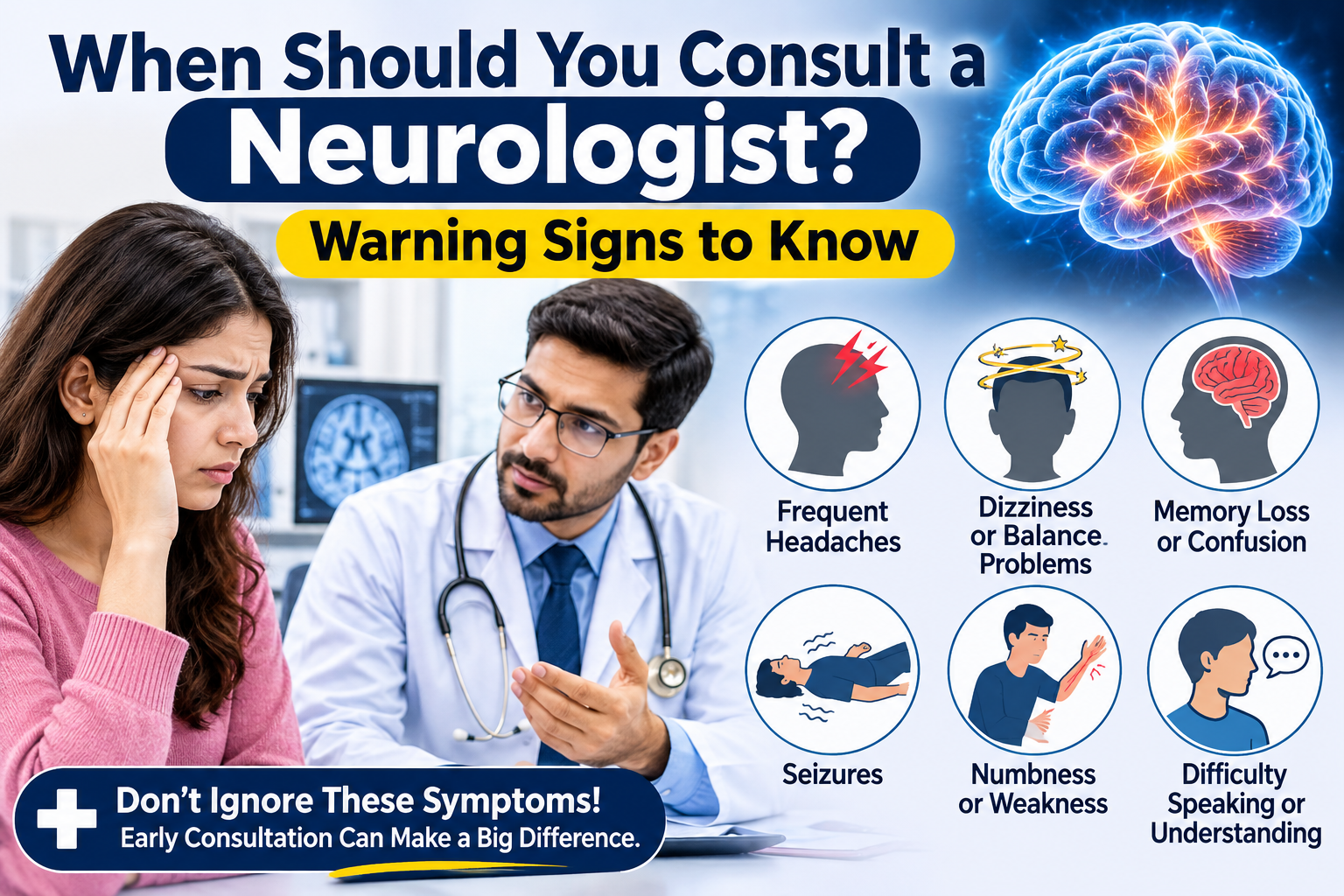

The brain, spinal cord, and nerves play an important role in controlling almost every function of the human body. From movement and memory to speech and sensation, the nervous system helps us perform everyday activities. However, certain health problems can affect the nervous system and lead to symptoms that should not be ignored. Recognising these warning signs early can help prevent complications and support timely treatment.
If you experience frequent headaches, dizziness, numbness, or problems with coordination, consulting a specialist at a Neurology Hospital in Jaipur can help identify the underlying cause. Neurologists are trained to diagnose and manage conditions affecting the brain, spinal cord, and peripheral nerves. Early medical evaluation can make a significant difference in managing neurological disorders.
1. Frequent or Severe Headaches
Occasional headaches are common, but frequent or unusually severe headaches may indicate an underlying health problem. Migraines, tension headaches, and other neurological conditions can cause recurring head pain.
You should consult a neurologist if your headaches:
-
Occur frequently or become more intense.
-
Are accompanied by vomiting or vision problems.
-
Interfere with daily activities.
-
Develop suddenly and feel extremely severe.
A specialist can evaluate the symptoms and recommend suitable treatment.
2. Persistent Dizziness and Balance Problems
Feeling dizzy occasionally may happen due to dehydration or low blood pressure. However, repeated dizziness, difficulty walking, or loss of balance may sometimes be associated with neurological conditions.
A neurological assessment can help determine whether the problem is related to the brain, inner ear, or nervous system.
3. Numbness or Tingling Sensations
Persistent numbness, tingling, or a pins-and-needles sensation in the hands, feet, arms, or legs should not be ignored. These symptoms may occur due to nerve compression, peripheral neuropathy, or other neurological disorders.
If numbness develops suddenly, especially on one side of the body, seek emergency medical attention because it could be a sign of stroke.
4. Memory Loss and Confusion
Occasionally forgetting things is normal, but frequent memory problems or unexplained confusion may require medical attention. These symptoms can be associated with conditions affecting brain function, including dementia and other neurological disorders.
A neurologist can assess memory changes and recommend appropriate investigations and care.
5. Muscle Weakness and Uncontrolled Movements
Unexpected muscle weakness, tremors, muscle stiffness, or difficulty controlling body movements may indicate a neurological problem.
Conditions such as Parkinson's disease and certain nerve disorders can affect muscle coordination and movement. Early diagnosis helps specialists develop an appropriate management plan.
6. Seizures or Epileptic Episodes
Seizures can cause uncontrolled movements, temporary loss of awareness, unusual sensations, or changes in behaviour. Even a first-time seizure requires prompt medical evaluation.
A neurologist may recommend tests such as an EEG or brain imaging to understand the cause and determine suitable treatment.
7. Speech and Vision Difficulties
Sudden difficulty speaking, understanding words, blurred vision, or loss of vision can indicate a serious neurological condition.
These symptoms may be associated with a stroke or another medical emergency. Immediate medical attention is essential rather than waiting for symptoms to disappear.
8. Persistent Sleep Problems
Sleep disturbances can sometimes be connected to neurological conditions. Problems such as unusual movements during sleep, restless legs, and excessive daytime sleepiness may require specialist evaluation.
A neurologist can help identify possible causes and suggest appropriate treatment.
When Should You Seek Immediate Medical Attention?
Some neurological symptoms require emergency care rather than a routine appointment. Seek immediate medical help if you experience:
-
Sudden weakness or numbness on one side of the body.
-
Sudden difficulty speaking or understanding speech.
-
A sudden, extremely severe headache.
-
Sudden loss of vision or balance.
-
A seizure, particularly a first-time seizure.
Do not delay treatment when these warning signs appear.
Conclusion
Neurological symptoms can affect your daily routine, independence, and overall quality of life. Paying attention to unusual changes in memory, movement, sensation, and coordination can help you recognise potential health problems early. Regular medical evaluation and timely treatment are important for managing neurological conditions effectively.
If you notice any persistent or unusual neurological symptoms, consider consulting an experienced specialist at a Multispeciality Hospital in Jaipur for proper evaluation, diagnosis, and treatment. Early medical guidance can help you take informed steps towards better brain and nervous system health.



