

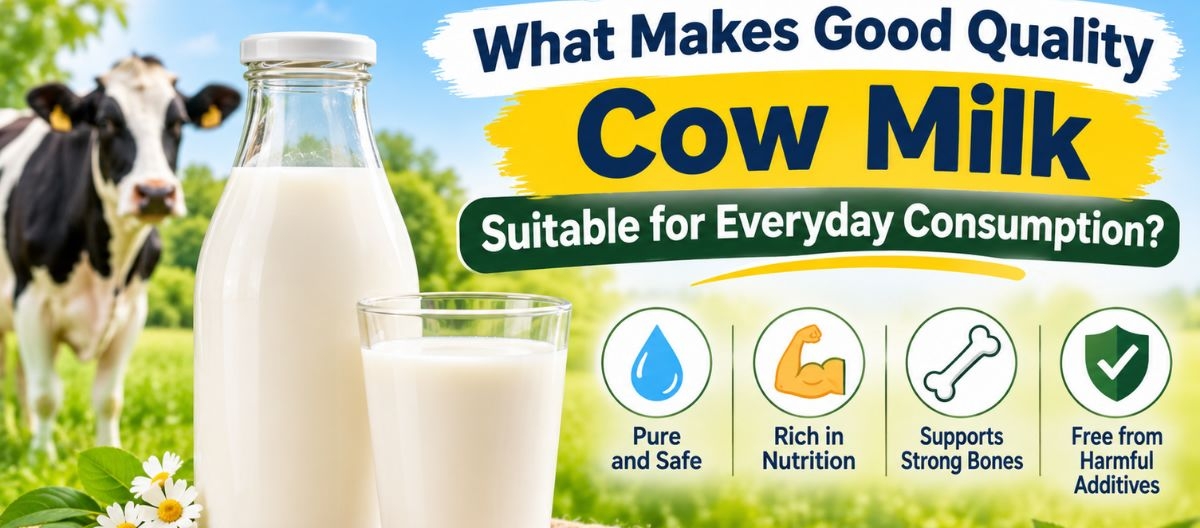

Milk is a regular part of many households, used for preparing tea, coffee, breakfast, smoothies, and a variety of everyday meals. Since it is consumed frequently, choosing good quality milk is important for maintaining a balanced diet and ensuring food safety. However, not all milk products are handled, processed, or stored in the same way. Factors such as the health of dairy cows, hygienic milking practices, proper processing, freshness, and storage conditions all influence the quality of milk. Understanding these aspects can help families make better choices when purchasing milk for daily use.
1. Proper Nutritional Composition
Good quality cow milk naturally contains several essential nutrients that contribute to everyday nutrition. It provides protein, calcium, phosphorus, vitamin B12, and other nutrients that support normal body functions, muscle maintenance, and bone health.
The nutritional composition of milk may vary depending on the cow's breed, feed, stage of lactation, and farming conditions. Milk with a balanced nutritional profile can be a valuable addition to meals when consumed as part of a varied diet. Choosing Cow Milk in Chennai from a reliable source allows consumers to consider the product's nutritional value alongside its freshness and handling standards.
2. Healthy Cows and Responsible Feeding Practices
The quality of milk begins with the health and care of dairy animals. Healthy cows that receive adequate nutrition, clean drinking water, proper shelter, and regular veterinary attention are an important part of responsible dairy farming.
A cow's diet can influence the composition and characteristics of its milk. Farmers generally provide a combination of fodder, grass, and other suitable feed based on the animals' nutritional needs. Maintaining clean surroundings and ensuring proper animal care also help support consistent dairy production.
When choosing milk, it is worth understanding how the dairy farm manages its animals and whether it follows responsible feeding and hygiene practices.
3. Hygienic Milking and Handling
Cleanliness is one of the most important factors affecting milk quality. Milk can become contaminated if the milking equipment, storage containers, farm environment, or handling procedures are not properly maintained.
Good dairy practices include cleaning equipment regularly, maintaining hygienic milking areas, using clean containers, and handling milk carefully after collection. Milk should be transferred and stored under suitable conditions to minimise the risk of contamination and spoilage.
Proper hygiene throughout the collection process helps preserve the milk's quality before it reaches processing facilities or consumers.
4. Freshness and Proper Processing
Freshness plays a significant role in the taste, quality, and usability of milk. Milk collected and handled properly is less likely to develop undesirable changes when stored under the right conditions.
Processing methods such as pasteurisation help reduce harmful microorganisms and make milk safer to consume. While some people associate raw milk with natural freshness, unpasteurised milk can contain dangerous pathogens even when it looks and smells normal. Pasteurised milk is generally the safer option for everyday consumption.
Consumers should check the packaging date, expiry date, processing details, and storage instructions before purchasing milk.
5. Natural Taste, Smell, and Appearance
Good quality milk usually has a clean, mild aroma and a uniform appearance. Depending on its fat content and processing method, it may have a slightly creamy texture and a natural white or off-white colour.
Milk should not have a sour smell, unusual discoloration, visible impurities, or an abnormal texture. However, appearance and smell alone cannot confirm whether milk is safe, as harmful microorganisms may not produce noticeable changes.
Checking the product label and purchasing from a dependable dairy supplier are more reliable ways to assess milk quality.
6. Proper Storage and Cold Chain Maintenance
Milk is a perishable food product that requires careful storage. Maintaining the appropriate temperature during transportation, delivery, and refrigeration helps slow bacterial growth and preserve quality.
When buying milk, check whether it has been stored properly and whether the packaging is intact. Once you bring it home, refrigerate it promptly and follow the storage instructions provided on the pack. Avoid leaving milk at room temperature for extended periods, particularly in warm weather.
Consistent temperature control is especially important for households that regularly purchase Fresh Milk in Chennai, where maintaining suitable storage conditions during delivery and after purchase helps protect freshness.
7. Reliable Sourcing and Consistent Quality
A dependable milk supplier should maintain consistent quality standards and provide clear information about sourcing, processing, packaging, and delivery. Consumers benefit when dairy brands are transparent about their practices and take customer concerns seriously.
Reliable sourcing also means knowing that milk is collected, tested, handled, and delivered through appropriate procedures. Checking product details and choosing a supplier with a consistent track record can make everyday milk purchases more reassuring.
Conclusion
Good quality cow milk is determined by much more than its appearance or taste. Healthy dairy animals, nutritious feeding practices, hygienic milking, appropriate processing, freshness, and proper storage all contribute to milk that is suitable for everyday consumption. By paying attention to these factors, families can make informed decisions and include milk as part of a balanced daily diet with greater confidence.



