


Metal fabrication involves several processes, including cutting, welding, grinding, deburring and surface finishing. Each process affects the quality and appearance of the finished component. Even minor surface irregularities can increase rework and affect production efficiency.
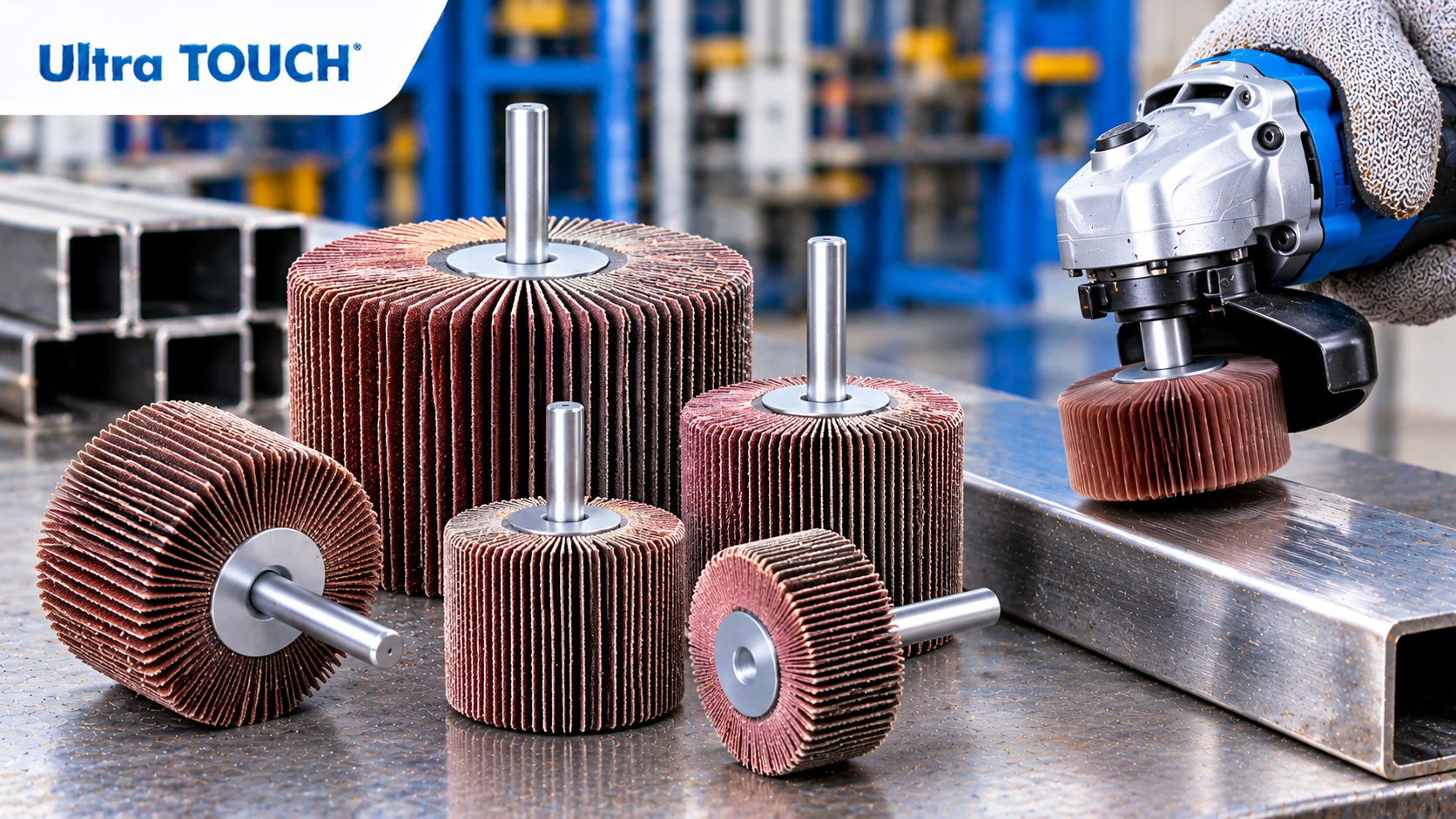
A Flap Wheel helps fabrication professionals achieve smooth and uniform surfaces through controlled material removal. Its flexible abrasive structure makes it suitable for various metalworking applications. From automotive workshops to heavy engineering facilities, professionals use this abrasive tool to meet different surface finishing requirements.
What Is a Flap Wheel and How Does It Work?
It is an abrasive tool that features multiple overlapping abrasive flaps. These flaps gradually wear down during operation, exposing fresh abrasive grains. This mechanism helps maintain consistent grinding and finishing performance throughout its usable life.
The flexible structure allows controlled contact with the workpiece. It also helps operators work on curved surfaces, welded joints and irregular metal components.
Modern Flap Wheel Manufacturers offer different abrasive grades, sizes and backing materials to meet diverse industrial requirements.
Importance of Flap Wheels in Metal Fabrication
Surface finishing plays an important role in manufacturing high-quality metal components. Selecting suitable abrasive tools helps manufacturers maintain production standards and reduce unnecessary material removal.
1. Smoothening Welded Joints
Welding often leaves uneven surfaces and excess material around joints. Abrasive flaps help blend these irregularities into the surrounding surface while maintaining greater control over material removal.
This process is particularly useful in structural steel fabrication, machinery manufacturing and automotive component production.
2. Effective Burr Removal
Metal cutting and machining processes often leave sharp edges and burrs. Removing these imperfections improves handling safety and prepares components for further processing.
Experienced Flap Wheel Suppliers help fabrication businesses select suitable abrasive grades according to material hardness and finishing requirements.
3. Surface Preparation Before Coating
Metal surfaces require proper preparation before painting, powder coating or other surface treatments. Rust, oxidation and surface irregularities can affect coating adhesion.
Controlled abrasive finishing helps remove unwanted surface imperfections and creates a more uniform surface. However, operators must follow the surface preparation requirements specified by the coating manufacturer.
4. Consistent Surface Quality
Maintaining uniform surface quality across multiple components is essential in large-scale manufacturing. Flexible abrasive flaps help operators achieve consistent finishing results when used with suitable pressure and operating speeds.
Industrial Applications of Flap Wheels
These abrasive tools support a wide range of industrial applications across different manufacturing sectors.
|
Industry |
Major applications |
|
Automotive |
Component finishing and deburring |
|
Metal fabrication |
Weld blending and edge finishing |
|
Construction |
Structural steel surface preparation |
|
Heavy engineering |
Machinery component finishing |
|
Furniture manufacturing |
Metal frame finishing |
|
Shipbuilding |
Surface cleaning and weld preparation |
|
Stainless steel processing |
Surface blending and scratch removal |
Industrial buyers often work with Flap Wheel Wholesalers to maintain adequate abrasive inventory and support continuous manufacturing operations.
Factors to Consider When Selecting Flap Wheels
Choosing the correct abrasive tool requires an understanding of the material, application and expected surface quality.
Abrasive Material
Aluminium oxide is widely used for general metal grinding and finishing. Zirconia alumina and ceramic abrasives can also suit demanding applications, depending on their specifications.
Grit Size
Different grit grades serve different finishing requirements.
-
24–36 grit: Heavy material removal
-
60–80 grit: General grinding and weld blending
-
100–120 grit: Smooth surface finishing
-
220–320 grit: Fine surface finishing
Wheel Diameter
Common diameters include 4, 5 and 7 inches. Always select a size compatible with the grinder and its protective guard.
Operating Speed
Check the maximum rated RPM of the abrasive tool before installation. Never exceed its recommended operating speed.
How Flap Wheels Support Industrial Productivity
Selecting appropriate abrasives can improve production efficiency without compromising surface quality. When operators use the correct abrasive grade, they can reduce unnecessary finishing stages, limit excessive material removal and achieve more consistent results.
Working with reliable Flap Wheel Manufacturers in India can also help industrial buyers access suitable product variants for different manufacturing processes.
Other potential operational benefits include reduced rework, better material removal control, fewer tool replacements and improved finishing consistency.
However, actual performance depends on the abrasive quality, workpiece material and operating conditions.
Best Practices for Safe and Efficient Operation
Proper handling and operating techniques help improve abrasive performance and workplace safety. Operators should inspect abrasive tools before installation, use compatible machinery and apply controlled pressure during finishing. They should also wear suitable eye protection, hearing protection and respiratory protection.
Store abrasive products in a dry environment away from excessive moisture. Replace damaged or excessively worn products immediately. For stainless steel applications, use suitable dedicated abrasives to minimise cross-contamination from carbon steel.
Why Choose Ultra Touch for Industrial Abrasives?
Ultra Touch offers abrasive solutions for professional and industrial metalworking applications. Its product range includes different abrasive grades, wheel diameters and backing configurations.
Businesses looking for a suitable Flap Wheel can explore its product range according to their grinding, deburring, weld blending and surface preparation requirements. Selecting the right abrasive configuration helps fabrication professionals balance finishing quality, operational efficiency and material removal.
Conclusion
Surface finishing is an essential part of modern metal fabrication. Suitable abrasive tools help manufacturers improve surface consistency, remove unwanted imperfections and prepare components for subsequent manufacturing processes.
By considering abrasive material, grit size, operating speed and application requirements, industrial professionals can achieve better finishing results while maintaining safe and efficient working practices. Ultra Touch offers abrasive solutions to support diverse industrial surface finishing requirements.
Frequently Asked Questions (FAQs)
1. What are flap wheels used for in metal fabrication?
They are used for weld blending, deburring, grinding, scratch removal and surface preparation.
2. Which grit size is suitable for weld blending?
A 60–80 grit abrasive is generally suitable for moderate weld blending. Heavier material removal may require a coarser grit.
3. Can abrasive flap wheels be used on stainless steel?
Yes. However, operators should select abrasives specifically suitable for stainless steel to minimise contamination.
4. What is the difference between a flap disc and a grinding wheel?
A flap disc uses overlapping abrasive flaps, while a conventional grinding wheel uses bonded abrasive grains. Flap discs generally offer greater flexibility for blending and finishing.
5. How can I extend the service life of an abrasive wheel?
Use the correct operating speed, apply controlled pressure, select appropriate grit and follow the manufacturer's storage instructions.



