

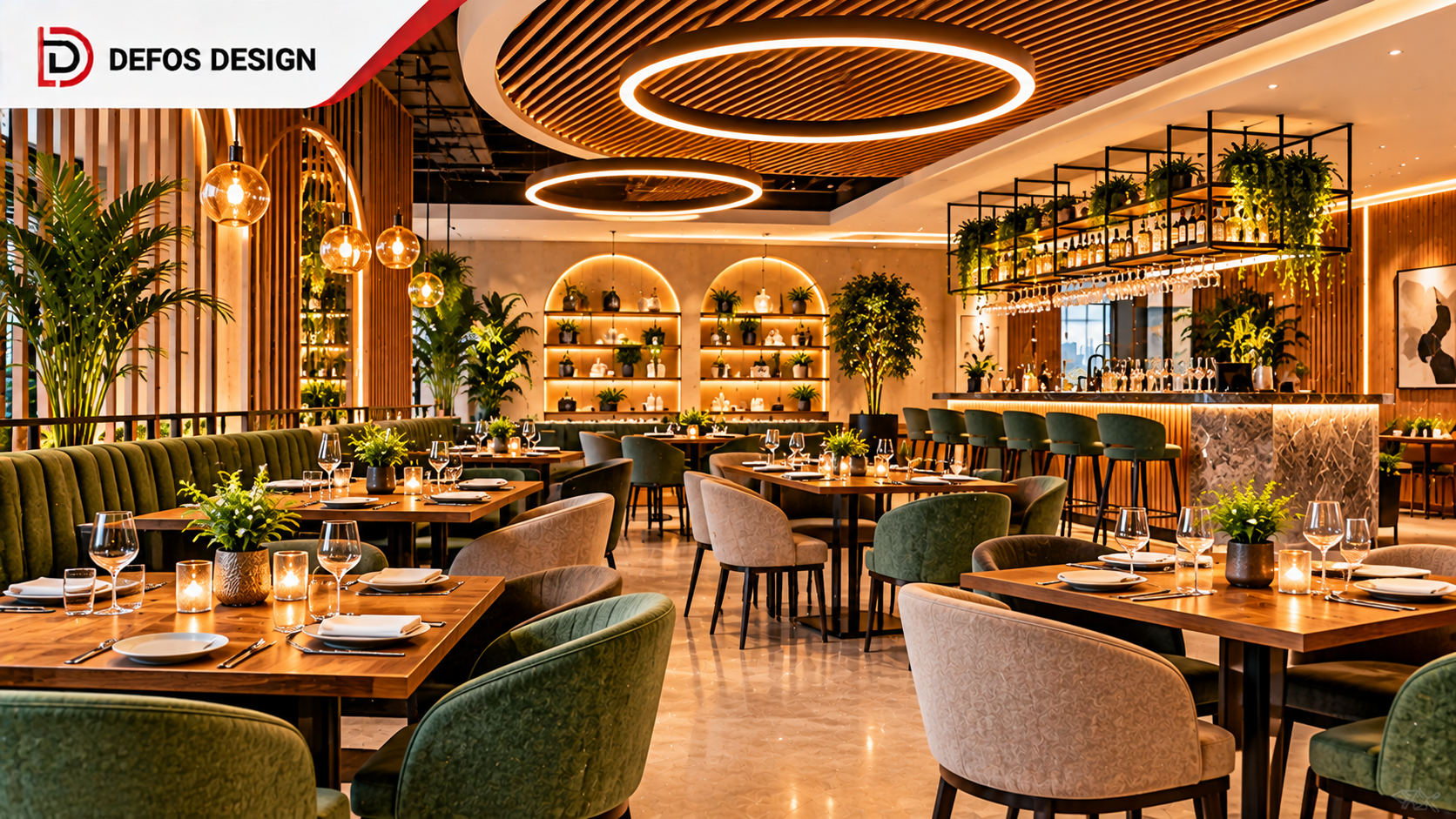

A successful restaurant needs more than an attractive interior and a good menu. It requires a well-planned space that supports customer comfort, staff movement and daily operations. From seating arrangements to lighting and kitchen accessibility, every design element serves a purpose.
Professional Restaurant Design helps business owners create a functional dining environment while maintaining a distinctive brand identity. Whether it is a premium restaurant, a quick-service outlet or a casual dining café, thoughtful space planning can support long-term business growth and improve the overall dining experience.
Why Is Restaurant Design Important for Businesses?
A restaurant's interior influences how customers perceive the brand. Comfortable seating, organised spaces and suitable lighting contribute to a welcoming atmosphere.
A well-designed dining environment offers several business benefits:
-
Better utilisation of available floor space
-
Improved customer experience
-
Efficient movement of restaurant staff
-
Consistent brand identity
-
Simplified cleaning and maintenance
-
Improved accessibility for guests
Business owners should balance visual appeal with practical requirements rather than focusing entirely on decoration.
Key Elements of an Effective Restaurant Interior
Every dining establishment has different operational needs. However, certain interior elements remain essential across most restaurant formats.
1. Functional Space Planning
A well-organised floor plan allows customers and employees to move comfortably. Designers should consider seating capacity, service stations, entrances and kitchen accessibility during the planning stage.
A balanced layout also helps prevent unnecessary congestion during peak dining hours.
2. Comfortable Seating Arrangements
Furniture selection should reflect the restaurant's theme and customer expectations. Booth seating, individual tables and communal dining arrangements serve different purposes.
Businesses investing in Restaurant Design in India should consider customer preferences, available space, dining formats and expected visitor volume before finalising seating arrangements.
3. Lighting and Ambience
Lighting plays an important role in creating the desired dining atmosphere. Warm lighting can complement fine dining spaces, while brighter lighting may suit quick-service restaurants. A combination of ambient, accent and task lighting can improve both functionality and visual appeal.
4. Material Selection and Durability
Restaurant interiors experience frequent use and regular cleaning. Flooring, furniture, wall finishes and countertops should offer suitable durability, moisture resistance and ease of maintenance. Selecting appropriate materials can also help reduce long-term maintenance expenses.
How Interior Planning Improves Restaurant Operations
The interior layout directly affects how employees perform their daily responsibilities. Poorly organised service areas can create unnecessary movement and delays.
Professional Restaurant Interior Designing Services can help businesses develop layouts that align with operational requirements.
Important considerations include:
-
Shorter movement routes between kitchens and dining areas
-
Accessible order collection and billing counters
-
Dedicated storage and service stations
-
Adequate clearance between furniture
-
Organised customer waiting areas
-
Suitable ventilation and acoustic planning
Business owners should also consider applicable fire safety, accessibility and food hygiene requirements during project planning.
Choosing the Right Interior for Different Restaurant Formats
Different dining formats require different approaches to interior planning. Business owners should understand their operational model before selecting a design concept.
|
Restaurant Type |
Design Considerations |
|
Fine Dining Restaurant |
Premium furniture, elegant lighting and spacious seating |
|
Quick-Service Restaurant |
Accessible counters, efficient layouts and easy-to-clean surfaces |
|
Café |
Comfortable seating, creative décor and warm lighting |
|
Family Restaurant |
Spacious seating, accessibility and comfortable surroundings |
|
Theme-Based Restaurant |
Custom furniture, distinctive décor and consistent branding |
The interior should complement the restaurant's cuisine, pricing strategy and target audience.
How to Choose the Right Restaurant Interior Design Partner
Selecting an experienced design partner requires careful evaluation. Business owners should compare project capabilities, material quality, design portfolios and execution processes before making a decision.
When evaluating Restaurant Design Companies, consider the following factors:
-
Experience in commercial interior projects
-
Customised design capabilities
-
Project execution timelines
-
Furniture and material quality
-
Transparent project costs
-
Knowledge of operational requirements
Discuss your business objectives, budget and long-term expansion plans before approving the final concept.
Common Interior Planning Mistakes to Avoid
Restaurant owners should avoid these common mistakes during project development:
-
Prioritising decoration over functionality
-
Overcrowding dining areas with furniture
-
Selecting difficult-to-maintain materials
-
Ignoring ventilation and noise management
-
Neglecting storage requirements
-
Overlooking future expansion needs
Addressing these concerns during the initial planning stage can help prevent unnecessary renovation expenses.
Why Choose Defos Design for Restaurant Interiors?
Defos Design offers customised commercial interior solutions that balance aesthetics, functionality and brand identity. For businesses investing in Restaurant Interior Design in India, Defos Design provides services that include concept development, furniture selection, lighting design, interior planning and project execution.
The company focuses on creating dining environments that reflect individual business requirements and customer expectations. Whether you are launching a new restaurant or renovating an existing establishment, Defos Design can help bring your interior concept to life.
Conclusion
A thoughtfully planned restaurant interior is a long-term business investment. It supports operational efficiency, customer comfort and brand recognition while creating a welcoming dining environment.
By focusing on space utilisation, durable materials, functional layouts and consistent branding, restaurant owners can develop interiors that serve both practical and commercial objectives. Connect with Defos Design to explore customised interior solutions for your upcoming restaurant project.
Frequently Asked Questions (FAQs)
1. What are the essential elements of a restaurant interior?
Space planning, lighting, furniture, ventilation, acoustics, material selection and branding are essential elements.
2. How does restaurant interior planning improve operational efficiency?
An organised layout reduces unnecessary staff movement, improves accessibility and supports smoother food service.
3. What factors influence restaurant interior costs?
Floor area, furniture, material quality, lighting, design complexity and installation requirements influence overall project costs.
4. How can small restaurants maximise available space?
Small restaurants can use multifunctional furniture, wall-mounted storage, compact seating arrangements and efficient floor plans.
5. Can existing restaurant interiors be redesigned?
Yes, businesses can renovate existing interiors to improve functionality, update branding and enhance customer comfort.



