

Hex Nuts in Industrial Projects: Planning, Selection and Bulk Sourcing
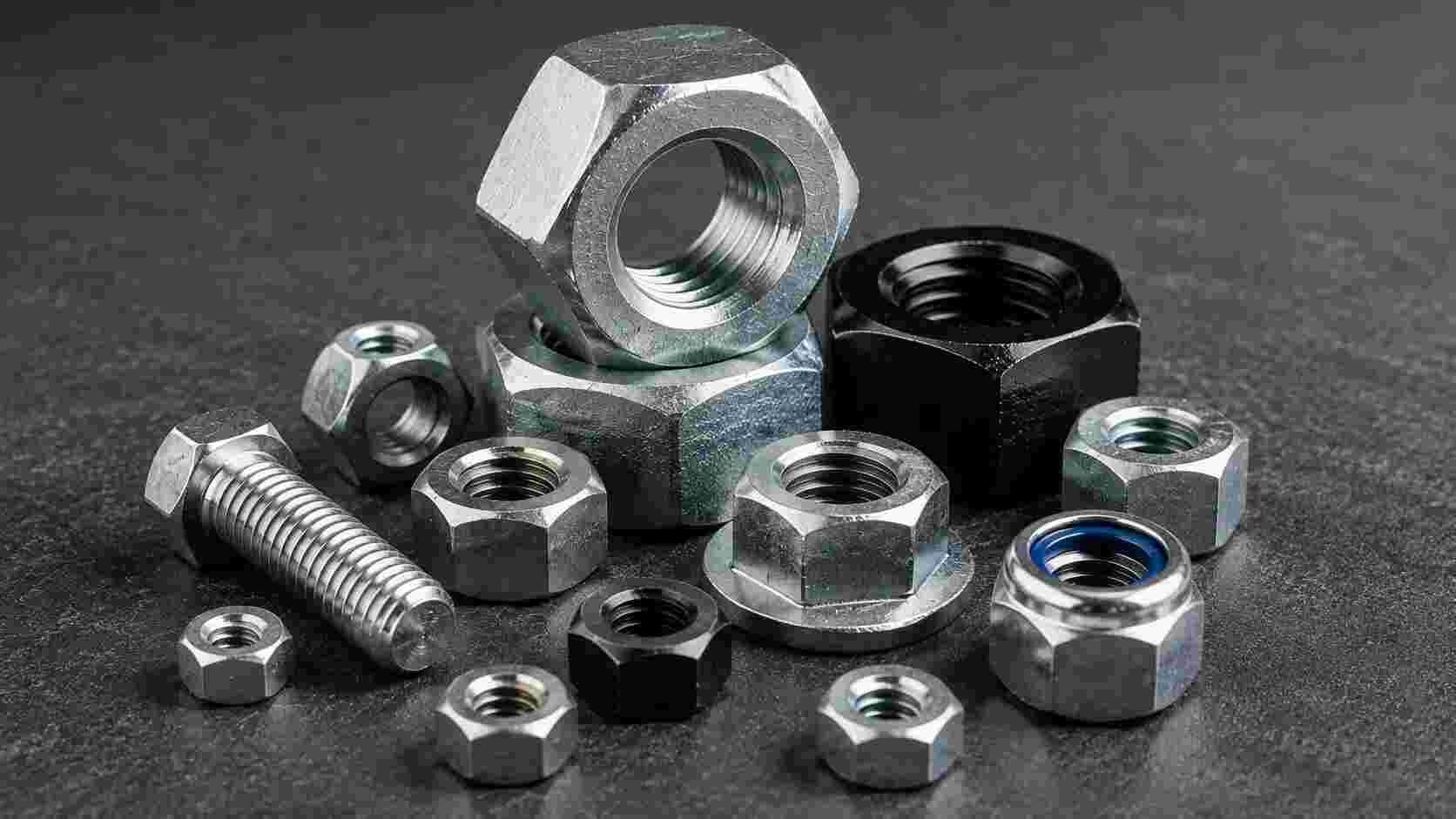
Every industrial project involves numerous components that must work together to achieve reliable results. While machinery, structural materials and production equipment receive considerable attention, fastening components are equally important for maintaining secure mechanical connections. A Hex Nut is widely used in industrial projects because its practical design allows convenient installation and compatibility with different threaded fastening arrangements.
For contractors, equipment manufacturers and procurement managers, selecting the right fastening components is an important part of project planning. Incorrect dimensions, unsuitable materials or inconsistent product specifications can create installation difficulties and unnecessary procurement costs. Understanding how hex nuts fit into industrial requirements helps businesses make better purchasing decisions.
Why Hex Nuts Are Important in Industrial Project Planning
Industrial projects often involve machinery installation, metal fabrication, equipment assembly and structural connections. These activities require fastening components that match engineering drawings and operating requirements.
Hex nuts are designed with six external sides and internal threads that engage with compatible bolts or threaded rods. Their shape allows technicians to use common spanners and sockets during installation and maintenance.
In project-based purchasing, hex nuts offer several practical advantages:
-
Easy installation using standard fastening tools.
-
Availability in multiple sizes and materials.
-
Compatibility with different threaded bolt arrangements.
-
Suitability for various engineering and fabrication applications.
-
Convenient replacement during maintenance activities.
When planning large projects, procurement teams should identify fastening requirements early to avoid last-minute sourcing difficulties.
Important Specifications to Check Before Ordering Hex Nuts
Selecting fastening components requires attention to technical details. Businesses comparing products from Hex Nut Manufacturers should understand the specifications that influence product compatibility.
1. Thread Diameter and Pitch
Thread diameter determines the nominal size of the fastening connection, while pitch indicates the distance between adjacent threads. Both measurements must match the mating bolt or threaded rod.
2. Across-Flats Dimensions
The across-flats measurement determines the spanner or socket size required for tightening. Correct dimensions help technicians use suitable tools during installation.
3. Nut Thickness
Thickness is another important dimensional factor because it influences thread engagement and compatibility with the intended assembly.
4. Material and Strength Requirements
Carbon steel, stainless steel, alloy steel and brass are used for different fastening applications. The appropriate option depends on the working environment, mechanical loading and required properties.
5. Surface Finish
Zinc plating, galvanising, black oxide and other finishes may be selected depending on corrosion exposure and application requirements.
Experienced Hex Nut Manufacturers in India should be able to provide relevant product specifications to help buyers evaluate suitability before confirming an order.
How Bulk Purchasing Influences Industrial Procurement
Large manufacturing units and engineering contractors frequently require fastening components in substantial quantities. Managing these purchases requires proper coordination between technical, procurement and inventory departments.
Businesses sourcing through Hex Nuts Suppliers should consider the following factors.
Requirement forecasting: Estimate the number of fastening components required for the complete project, including suitable replacement stock.
Specification approval: Confirm product dimensions, material, thread type and finish before releasing purchase orders.
Quantity planning: Divide requirements according to production schedules, project stages and storage capacity.
Delivery coordination: Arrange dispatch schedules that match installation and manufacturing timelines.
Quality documentation: Maintain relevant inspection reports and product specifications wherever required.
These practices help minimise purchasing confusion and make bulk procurement more organised.
Understanding Different Industrial Sourcing Channels
Industrial buyers can obtain fastening components through manufacturers, suppliers, dealers and wholesalers. Each channel serves different purchasing requirements.
Hex Nuts Suppliers
Hex Nuts Suppliers in India help businesses source products in different dimensions, materials and finishes. They may support industrial customers with stock availability, packaging and delivery coordination.
Hex Nuts Dealers
Hex Nuts Dealers in India generally cater to regional buyers, fabrication workshops, contractors and maintenance teams requiring smaller quantities or replacement products.
Hex Nuts Wholesalers
Hex Nuts Wholesalers in India commonly handle bulk distribution and larger purchasing requirements. They can be useful for distributors, retailers and businesses managing recurring inventory needs.
The right sourcing channel depends on purchase volume, delivery expectations, product availability and the level of technical support required.
Industrial Sectors That Depend on Hex Nut Fasteners
Hex nuts are used across multiple industries because threaded fastening connections are required in different types of mechanical assemblies.
Automotive Manufacturing: Used in suitable mounting arrangements, brackets, chassis components and mechanical assemblies.
Construction and Fabrication: Applied in fabricated structures, equipment installations and general engineering connections.
Industrial Machinery: Used in pumps, motors, compressors, machine frames and production equipment.
Agricultural Equipment: Found in tractors, irrigation equipment and agricultural machinery.
Electrical Engineering: Used in suitable electrical enclosures, mounting systems and equipment installations.
Each industry has specific fastening requirements. Buyers should follow engineering drawings and applicable standards rather than assuming that one specification will suit every application.
Common Procurement Challenges and Their Solutions
Industrial purchasing teams may face several challenges when sourcing fastening components for ongoing projects.
Incorrect specifications: Ordering products without checking thread details can result in fitting problems. Maintaining approved technical drawings helps prevent such errors.
Inconsistent batches: Differences in dimensions or material properties can affect assembly operations. Buyers should establish clear specifications and inspection requirements.
Unplanned inventory shortages: Poor demand forecasting can delay installation work. Maintaining an organised inventory plan helps improve availability.
Price-based decisions: Choosing products only by quotation value may overlook important technical requirements. Procurement teams should compare specifications, quality and delivery terms together.
A systematic purchasing approach helps businesses manage these challenges more effectively.
Kiran Industries: Supporting Industrial Fastening Requirements
Kiran Industries, established in 1985 in Rajkot, Gujarat, provides industrial fastening solutions for applications across automotive, construction, machinery and general engineering sectors.
When evaluating Hex Nut Manufacturers, industrial buyers should consider product specifications, manufacturing capabilities, quality procedures and the ability to understand project-specific requirements.
Kiran Industries focuses on standard and customised fastening solutions according to customer requirements.
Businesses can explore the Hex Nut Manufacturers in India product page for further information. For related fastening requirements, visitors can also explore Bolt Manufacturers in India and Flange Nut Manufacturers.
Sharing technical drawings, required dimensions, material preferences, surface finish and order quantities can help buyers communicate their requirements more clearly.
Frequently Asked Questions About Hex Nuts
1. What information is needed to order hex nuts in bulk?
Buyers should provide thread diameter, pitch, material, dimensions, finish, applicable standards and required quantity.
2. Can hex nuts be used in construction projects?
Yes. They are used in suitable fabricated structures, equipment installations and mechanical connections, subject to engineering specifications.
3. Why should thread specifications be checked before ordering?
Correct thread compatibility helps ensure proper engagement between the nut and bolt and reduces the risk of fitting problems.
4. Which industries commonly purchase hex nuts?
Automotive, construction, machinery, agricultural equipment, electrical engineering and general manufacturing industries commonly use hex nuts.
5. How can buyers evaluate Hex Nuts Wholesalers?
Compare product specifications, bulk availability, pricing, quality documentation, packaging and delivery arrangements.
6. Are customised hex nut requirements possible?
Customisation may be available depending on manufacturing capabilities, material, dimensions, design and order requirements.
Conclusion
Successful industrial procurement requires careful planning, accurate specifications and dependable sourcing arrangements. Hex nuts remain essential components in numerous mechanical assemblies, making their correct selection important for project execution and maintenance. Businesses comparing Hex Nut Manufacturers should evaluate product compatibility, material suitability, dimensional consistency and supply capabilities. A well-planned purchasing process helps industrial buyers manage fastening requirements efficiently while supporting smooth project operations.



