

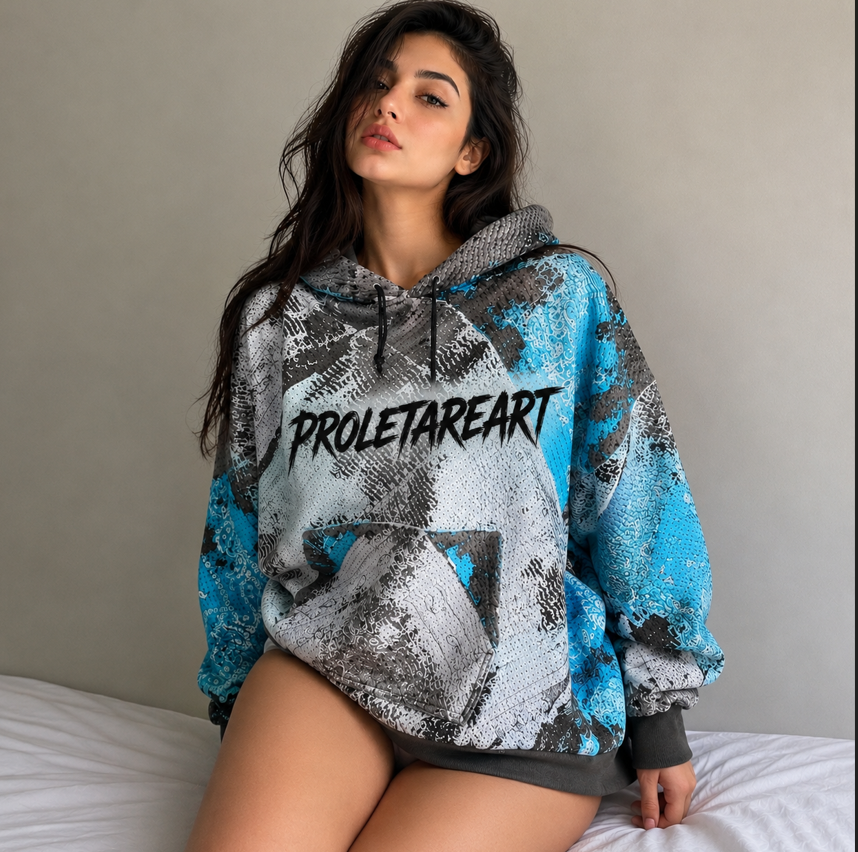

Art gives people a way to share ideas, express emotions, and communicate personal views. Every artist has a different way of seeing the world, and this difference often shapes the work they create. Independent thinking allows artists to develop their own opinions instead of following popular styles or copying the ideas of others. It gives them the freedom to make personal choices about colors, shapes, materials, and subjects. In the world of PROLETA RE ART, independent thought can be understood as a way to question familiar ideas and build a personal connection with creative work. Artists who think independently often produce work that reflects their experiences, interests, and feelings. Their decisions may not always follow common expectations, but they can offer viewers a different way to understand art. This approach also helps artists build confidence in their abilities and develop a personal style over time.
Why Independent Thinking Matters in Artistic Work
Independent thinking gives artists the freedom to make decisions based on their own ideas. Instead of asking what people expect to see, they can focus on what they want to communicate. This freedom allows them to create work that feels personal and honest. An artist might choose unusual colors, combine unrelated objects, or use simple shapes to express a feeling. These choices do not need to follow popular artistic rules. They only need to serve the artist's intention. Independent thought also helps artists avoid repeating the same ideas throughout their careers. When they question their own habits, they can find new ways to approach familiar subjects. This does not mean rejecting every existing style or artistic method. Artists can learn from earlier movements, famous painters, and other creators while still making their own decisions. The difference comes from how they use that knowledge. Rather than copying another person's work, they take what interests them and develop it in a personal direction. This gives their work a sense of individuality that viewers can notice.
Developing a Personal Artistic Identity
An artist's identity develops through experience, observation, and personal choices. It does not appear overnight, and it rarely comes from following a single set of rules. Independent thinking helps artists discover what they enjoy making and what they want their work to communicate. Some may feel connected to abstract forms, while others prefer portraits, everyday objects, photography, or mixed media. These preferences can change as artists gain experience and learn more about their interests.
Personal Experiences as a Source of Ideas
Life experiences often shape the way artists understand the world. Family memories, local surroundings, relationships, personal challenges, and daily routines can all become sources of artistic ideas. An artist may use a familiar place as the subject of a painting or turn an ordinary object into a symbol of a personal memory. Such decisions give artwork a human connection because they come from real experiences. In PROLETA RE ART HOODIE this idea can be linked to the value of personal expression and the freedom to develop an individual point of view. Artists do not need to share every detail of their lives with viewers. They can communicate through small visual choices that allow people to sense the feelings behind the work.
Building Confidence Through Personal Choices
Confidence grows when artists learn to trust their own judgment. At first, they may worry about whether their ideas will receive approval. They might compare their work with popular styles or seek constant feedback before making a decision. Independent thinking helps them move past this habit. Artists can listen to useful advice without allowing every opinion to control their direction. They also learn that mistakes are part of the working process. A color choice may fail, a composition may feel unbalanced, or an idea may not produce the expected result. Each experience offers a chance to learn. With time, artists become more comfortable making choices and accepting the results.
Questioning Traditional Artistic Rules
Art has a long history of styles, methods, and accepted practices. These traditions give artists useful knowledge, but they do not have to limit personal expression. Independent thinkers understand that artistic rules can be studied, tested, and changed when an idea calls for a different approach. For example, a painter may choose to leave parts of a canvas unfinished because the open spaces support the message. A photographer might use unusual angles to change the way viewers see an everyday scene. A sculptor could work with simple or recycled materials instead of traditional supplies. These choices show that artistic value does not depend on following one fixed method. Questioning traditional rules also encourages artists to look beyond familiar examples. They can study different cultures, historical periods, and forms of visual communication to find ideas that suit their interests. The goal is not to reject the past but to understand it and make personal decisions about what to carry into new work. This balance allows artists to respect earlier practices while developing their own approaches.
How Independent Ideas Influence the Creative Process
The creative process involves more than producing a finished painting, photograph, or sculpture. It includes research, observation, planning, testing, and making decisions along the way. Independent thinking gives artists room to adjust these steps according to their needs. Some begin with a clear plan, while others prefer to experiment before deciding what the final work should look like. Both approaches can lead to meaningful results when artists understand why they are making certain choices.
Experimenting With Different Materials and Methods
Experimentation allows artists to discover possibilities they may not find through familiar techniques. They can combine paint with paper, use fabric in a sculpture, or place photographs beside hand-drawn marks. Trying different materials can also change the direction of a project. A rough surface may create a different feeling from a smooth one, while a limited color range can make a subject feel quiet or serious. Artists who think independently are often willing to test these options instead of choosing the safest method. Not every experiment will work, and that is part of the learning process. Some attempts may lead to unexpected results that become the starting point for another piece. Keeping an open mind helps artists see these results as part of their development rather than wasted effort.
Making Decisions Without Following Trends
Popular styles can influence what people create and what audiences choose to view. Artists may feel pressure to follow these styles because they receive attention online or appear frequently in galleries. Independent thinking gives creators a chance to decide whether a trend suits their interests. They can learn from current art without allowing popularity to become the main reason behind their choices. An artist who prefers quiet compositions does not need to produce bold, crowded work simply because that style receives attention. Personal direction often leads to more consistent artistic work because decisions come from genuine interests. This approach also gives artists room to change naturally as their ideas develop.
The Relationship Between Independent Thinking and Viewer Experience
Art becomes a shared experience when people view and respond to it. An artist makes personal decisions during the creative process, but viewers bring their own memories, emotions, and opinions when they look at the finished work. Independent thinking can make this exchange more interesting because personal artistic choices may encourage people to see familiar subjects in new ways. A painting with unusual proportions might make someone question their expectations. A photograph of an ordinary street could remind another person of a place from childhood. Abstract work may allow viewers to create their own meanings without receiving a direct explanation from the artist. There does not need to be one correct response. Different people can notice different details and form separate interpretations. This freedom gives art room for conversation. In the context of PROLETA RE ART, independent artistic decisions can be viewed as a way to create work that invites personal responses rather than telling every viewer what to think. The artist shares a point of view, while the audience decides how to connect with it.
Learning From Other Artists Without Losing Individuality
Learning from other artists is a natural part of artistic growth. Books, exhibitions, workshops, online collections, and conversations can introduce creators to new techniques and ideas. These sources can help artists understand how different people approach similar subjects. The challenge is to learn from others without losing their own direction. Independent thinking helps artists make this distinction. They can study how another painter uses light or how a photographer arranges objects, then apply that knowledge in a way that suits their own work. They can also ask questions about why certain methods appeal to them. What feeling does a particular color create? Why does a certain composition hold their attention? Which materials support their ideas? Asking such questions turns observation into personal learning. Artists should also allow their interests to change. A person who once preferred realistic painting may later become interested in abstract forms. Such changes do not mean that earlier work lacked value. They show that an artist continues to learn and respond to new experiences. Personal growth comes from making thoughtful choices rather than trying to maintain one fixed image.
Building a Lasting Connection Through Original Artistic Expression
Independent thinking can help artists create work that feels connected to their personal beliefs and experiences. This connection matters because viewers often respond to honesty in art. They may not understand every choice, but they can still notice when a piece carries a clear sense of purpose. Original expression does not require unusual materials or complicated methods. A simple drawing, carefully arranged photograph, or small sculpture can communicate a strong idea when each decision serves the artist's intention. The value comes from the thought behind the work and the way its parts come together. Artists can continue developing this connection by keeping sketchbooks, recording observations, visiting exhibitions, and giving themselves time to reflect. They can also review older projects to understand how their interests have changed. These habits support a more personal approach to art. Independent thinking does not mean working without advice or avoiding other influences. It means taking responsibility for artistic decisions and understanding the reasons behind them. This attitude allows artists to keep learning while maintaining a clear sense of their own direction.
Conclusion
Independent thinking gives artists the freedom to express personal ideas, question familiar methods, and make decisions that reflect their own experiences. It helps them build confidence, develop an individual style, and approach each project with an open mind. Learning from other creators remains useful, but personal judgment gives that knowledge its own direction. Through experimentation, observation, and reflection, artists can produce work that offers viewers new ways to see familiar subjects. PROLETA RE ART reflects the value of independent thought in artistic expression, where personal choices can shape both the work itself and the experience of those who view it.
Frequently Asked Questions
1. What does independent thinking mean in art?
Independent thinking in art means making personal creative decisions instead of simply copying popular styles or following other people's expectations.
2. Why do artists need to develop their own style?
A personal style helps artists express their interests, experiences, and ideas. It also gives their work an individual character.
3. Can artists learn from others and still think independently?
Yes. Artists can study different techniques and styles while deciding how to use that knowledge in their own work.
4. How does independent thinking affect the creative process?
It allows artists to test different materials, question familiar methods, and make decisions based on their intentions rather than outside pressure.
5. How can viewers benefit from independent artistic expression?
Personal artistic choices can encourage viewers to form their own interpretations, connect artwork with personal memories, and consider subjects from different points of view.



